From clinical insight to action
Clinical Councils representing the Wagga Wagga, Border, Western and Riverina sectors
Clinicians, including 13 GPs and 31 allied health professionals
New members inducted during 2025–2026
The people delivering healthcare every day have an important perspective on what is working, where the gaps are and what needs to change.
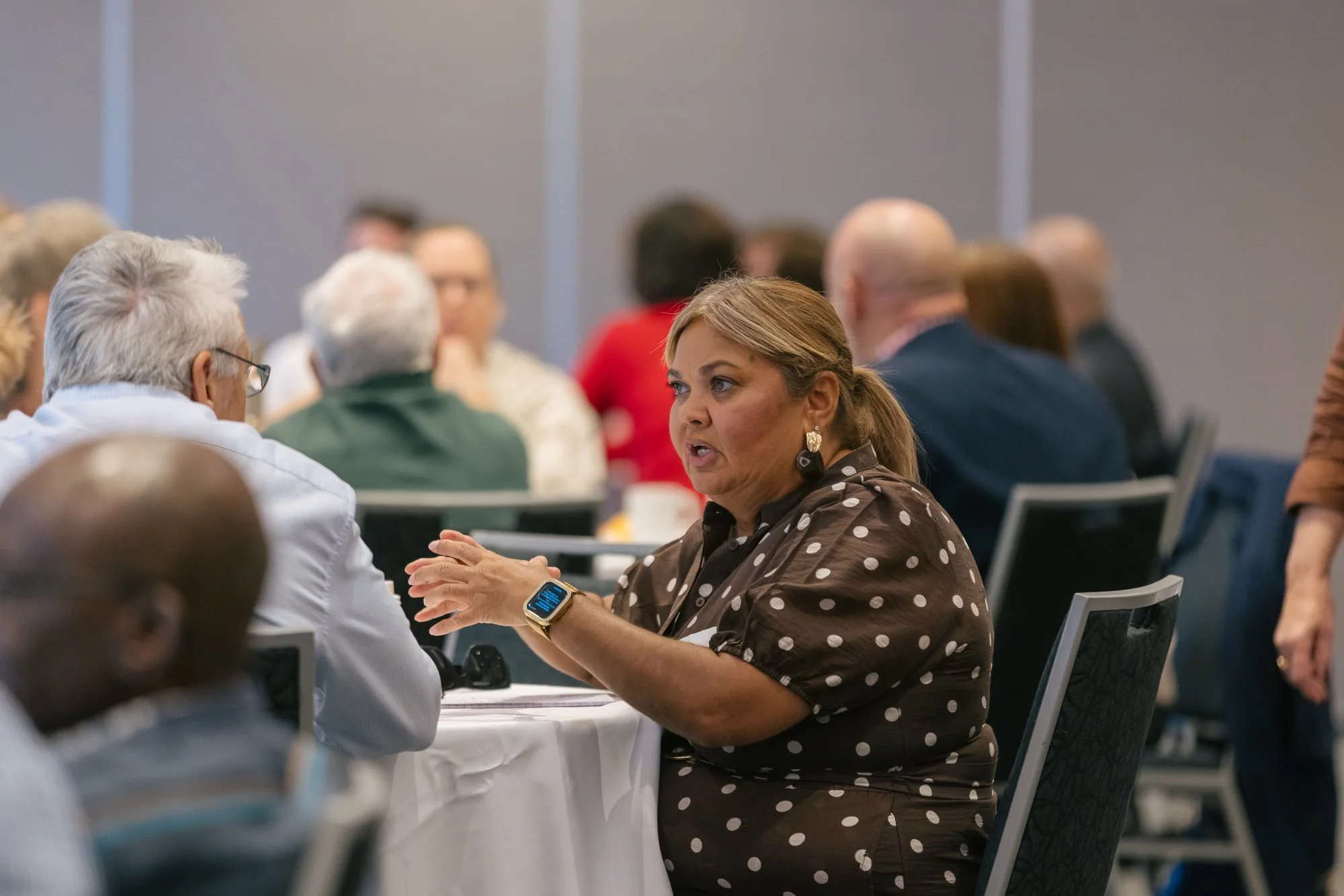
MPHN four Clinical Councils bring those perspectives directly into the organisation’s planning and governance. Representing different parts of the Murrumbidgee, the Councils provide the MPHN Board with clinical advice on local issues, population health planning and opportunities to improve the effectiveness of healthcare and commissioned services.
During 2025-2026, MPHN refreshed the way the Councils work, introducing dedicated time for clinicians to raise emerging local issues and a themed discussion at each quarterly meeting. Themes focused on multimorbidity, young people aged 16-24, palliative care and multicultural health, connecting clinicians’ on-the-ground experience with priorities identified through MPHN’s health needs assessment.
“Our Clinical Councils give us something data alone cannot – the experience of clinicians working with patients and communities every day,” MPHN CEO Narelle Mills said. “Their insights help us understand how issues are being experienced in practice and where there may be practical opportunities to improve care.”
The focus on local issues generated more than 50 areas for follow up during the year, covering challenges including access to services, aged care transport, palliative care training, hospital discharge information, homelessness and workforce pressures. The themed discussions also informed Health Needs Assessments, program planning and HealthPathways development.
For example, discussions about palliative care identified common concerns around coordination, bereavement support and workforce capacity, while consideration of the Multicultural Health Needs Assessment highlighted interpreter access, care navigation and culturally responsive care across the four sectors.
The Councils were strengthened further with 17 new members in September 2025, broadening GP and allied health expertise.
“Strong primary healthcare depends on listening to the people closest to it,” Ms Mills said. “These Councils help ensure the decisions we make are informed by local clinical experience and reflect the very different needs of communities across our region. The Board and I thank the Council members for their commitment and dedication.”
Keeping decisions grounded in community
Theme-based Community Advisory Committee meetings held during 2025–2026
Members provided perspectives from agriculture, disability, veterans, multicultural communities, mental health, caring, parenting and Local Health Advisory Committees
Palliative care, equity of access, multimorbidity and the health and wellbeing of young people
Murrumbidgee Primary Health Network’s (MPHN) Community Advisory Committee (CAC) plays a vital role in ensuring community experiences and perspectives inform primary healthcare planning and service delivery in our region.
In 2025–2026, MPHN introduced a new theme-based meeting approach, allowing committee members to focus on specific health priorities and provide more targeted feedback. This helped identify local challenges, highlight opportunities for improvement, and contribute practical solutions grounded in lived experience.
Chair Caitlin Reid said the committee provides an important perspective alongside more traditional data and consultation.
“We are giving feedback from what we’re seeing on the ground. MPHN is funding a lot of programs, and a lot of the people on the CAC are actually engaging with people who are using those programs on a day-to-day basis. This gives MPHN firsthand accounts of how services are going in the community, adding those coalface experiences to other data they’re gathering.”
That local knowledge has practical influence. During the year, the CAC recommended that promotion of one program about RSV extend beyond online channels into places such as community and childcare centres, helping information reach people who may otherwise have missed it.
For Ms Reid, the CAC’s value lies in that direct connection: “It shows that MPHN also value voices of the community and not just health professionals.”