Murrumbidgee Summer Smart Guide
Australian summers are getting tougher. Across the Murrumbidgee, we can experience bushfires, heatwaves, storms, smoke, power outages and flooding. These events can affect anyone, but they can be especially hard on:
people living with chronic illness (such as asthma, heart disease, diabetes or COPD)
older people
babies and young children
people with disability or complex health needs
people who are socially isolated or experiencing housing insecurity
Being prepared helps you stay safer, healthier, and calmer when conditions change quickly.
1. Be prepared before it gets hot or smoky
A little planning now can make a big difference later.
At home
Keep enough food, water and essential medications at home so you don’t need to go out during extreme heat or heavy smoke.
Try to stay cool using fans or air conditioning. You may be eligible for energy rebates or concessions through Service NSW
Close windows and doors during smoke events and use air conditioning on recirculate if you have it.
If you have pets, make sure they have shade, water and a safe place too.
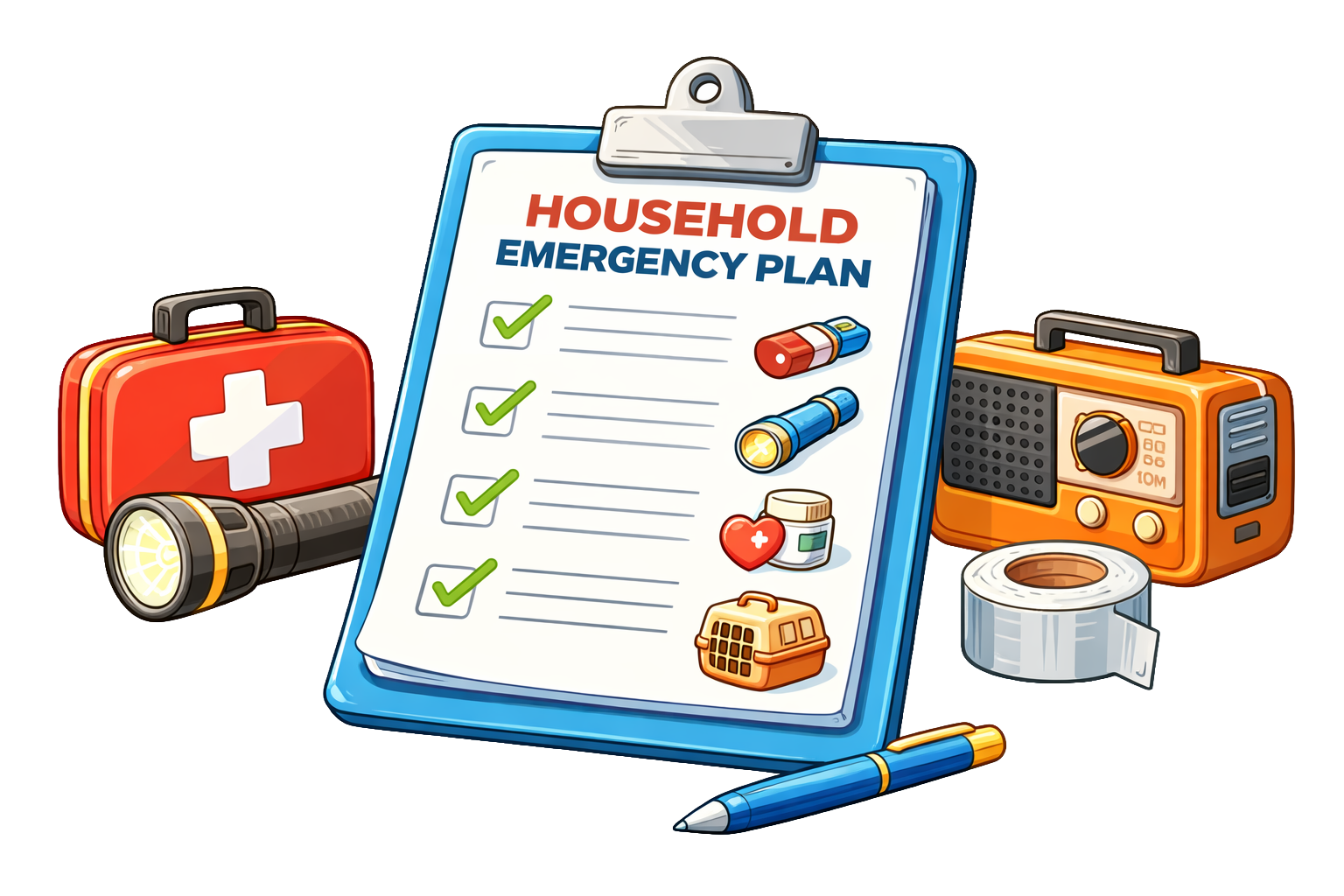
Make a simple emergency plan
Plan where you would go if your home becomes unsafe or too hot.
Include plans for children, pets, people with disability, mobility issues, or medical equipment.
Write down important phone numbers and keep them somewhere easy to find.
You can find easy planning tools and checklists here.
Talk to your GP
Ask how heat, smoke or humidity could affect your health.
Make sure your asthma plan, COPD plan or other chronic disease plans are up to date.
Ask what to do if your symptoms worsen during extreme weather.
2. Stay informed with trusted information
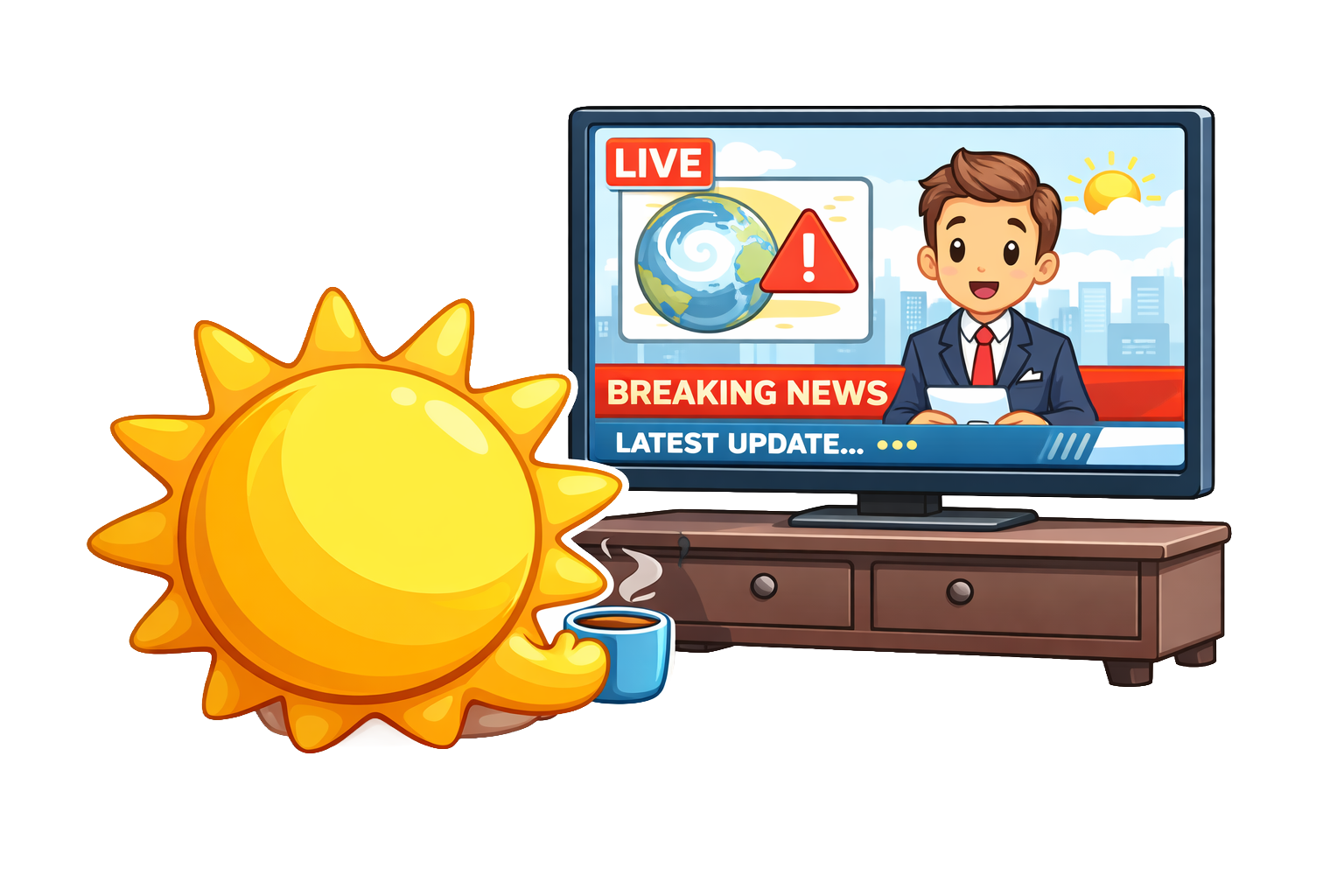
Conditions can change fast. Staying informed helps you make safer decisions.
Stay connected
Keep in touch with family, friends or neighbours, especially during heatwaves.
Check on older neighbours or people who live alone if it’s safe to do so.
Know where to get updates
Listen to your local ABC radio station. Keep a battery-powered radio in case of power outages.
Follow official warnings and updates online.
Download trusted apps
Hazards Near Me (NSW emergency warnings)
Bureau of Meteorology warnings (heat, storms, smoke, floods)
Live Traffic NSW (road closures and conditions)
Emergency Plus app (helps emergency services find you if you call 000).
3. Know your options if conditions worsen
If it’s becoming unsafe or uncomfortable at home:
Visit air-conditioned places like shopping centres, libraries or community centres. View the Murrumbidgee list of cool spaces here.
Follow advice from emergency services.
If told to evacuate, leave early where possible to reduce risk.
Asking for help is a sign of being prepared, not a weakness.
If you need medical help
In a life-threatening emergency
Call 000 immediately or go to the nearest emergency department.
Emergency departments are for serious illness or injury that needs urgent care.
For non-urgent health needs
Contact your GP.
Call 1800MEDICARE on 1800 633 422 for free health advice, 24/7.
Disaster and emergency support services
You can also access support, information and assistance through the following services:
NSW Rural Fire Service – fire danger ratings and total fire bans
Bushfire.io national incident map
Services Australia (payments and support during disasters)
Link2home (homelessness support)
Ask Izzy (find local support services)
For GPs and practice teams
Support your patients this summer by:
Reminding patients to update asthma, COPD and chronic disease action plans.
Checking patients have enough medications, scripts and medical supplies.
Discussing how heat and smoke may affect their conditions.
Encouraging patients to plan ahead and use trusted information sources.
Displaying or sharing links to Hazards Near Me, Get Ready NSW and Healthdirect in your practice.
Helping patients prepare now can reduce health risks and avoid preventable emergencies during summer.