Proactive care through winter
General practices participated in Winter Strategy 2025
Patients received proactive, holistic care
Of participating practices reported improved health outcomes for patients with chronic disease
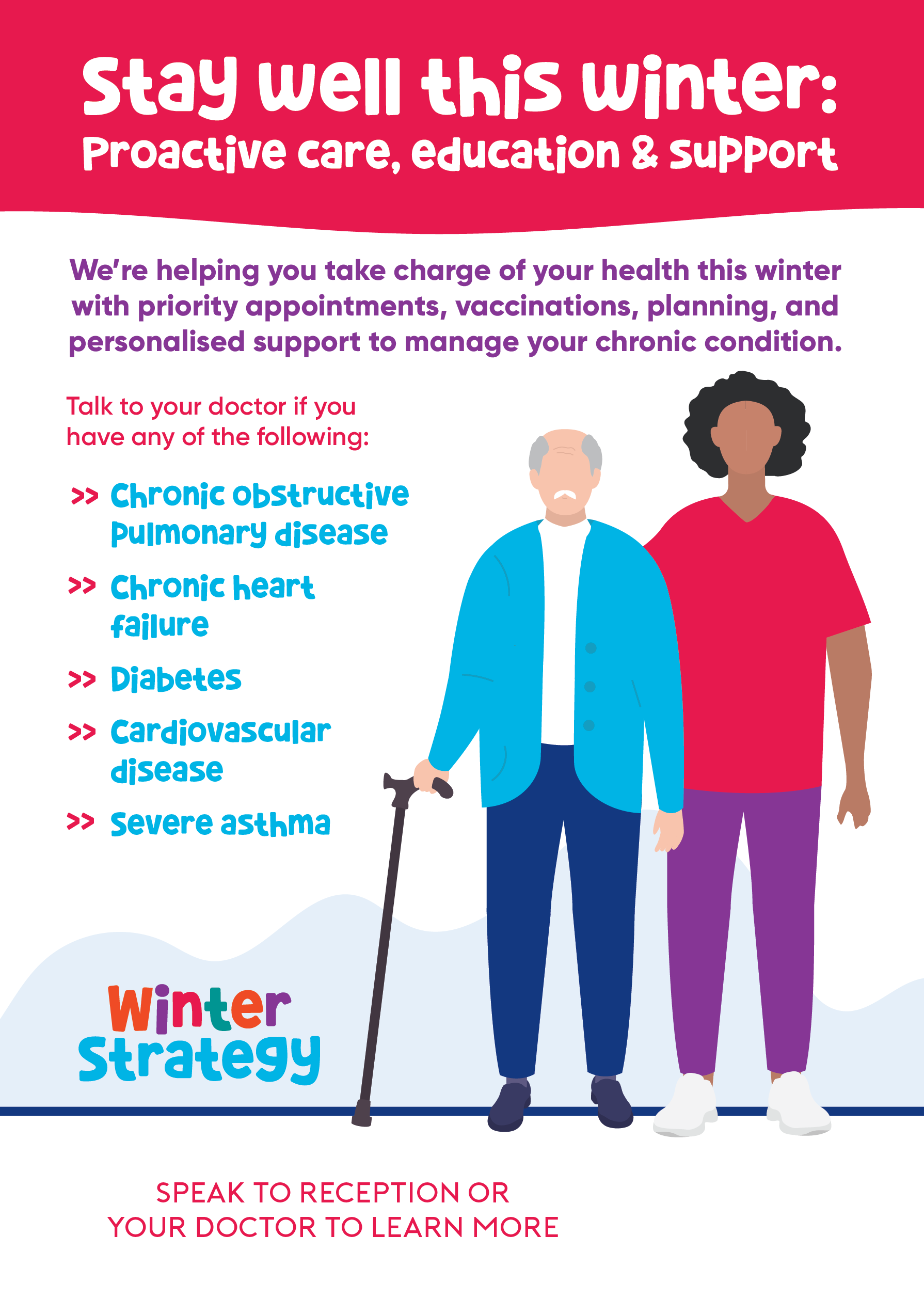
For people living with chronic disease, staying well through winter can depend on identifying potential problems before they become more serious.
Murrumbidgee Primary Health Network’s (MPHN) Winter Strategy, which was part of the Living Well, Your Way initiative, supported general practices to identify patients at greater risk of deterioration and provide proactive, coordinated care to help keep them well and out of hospital.
In 2025, 35 practices supported 833 patients through the program. Evaluation showed 97.6% of respondents believed participation increased their practice’s capability to meet patients’ health needs, while 95% reported improved regularity of patient monitoring and improved practice workflow.
At Murrumbidgee Medical & Primary Care Centre in Leeton, successive Winter Strategies have helped make preventative care part of everyday practice.
“The Winter Strategy gave us a really useful framework to look at the patient who might be missing those preventative health opportunities,” Practice Manager Nicole Horton said.
That can mean checking immunisations, cardiovascular risk, screening, lifestyle factors and chronic conditions, supported by dedicated GP appointments and regular contact with practice nurses.
Ms Horton said the approach strengthened the role of nurses, allowing them to check in with patients between appointments and identify concerns earlier.
“Those regular check-ins make a big difference because they give us an opportunity to see how patients are actually managing day to day,” she said. “It also helps build trust because patients know there’s someone keeping an eye on their health, rather than only seeing us when something goes wrong.”
For Ms Horton, the biggest shift is from reactive care to partnership.
“The biggest difference for our patients is the continuity of care. We’re able to identify health needs earlier, have those conversations sooner and give patients more support to take control of their own health. It’s not just about treating a condition – it’s about helping patients stay well and feel more confident about managing their health.”