MPHN drives regional conversation on ageism and inclusion
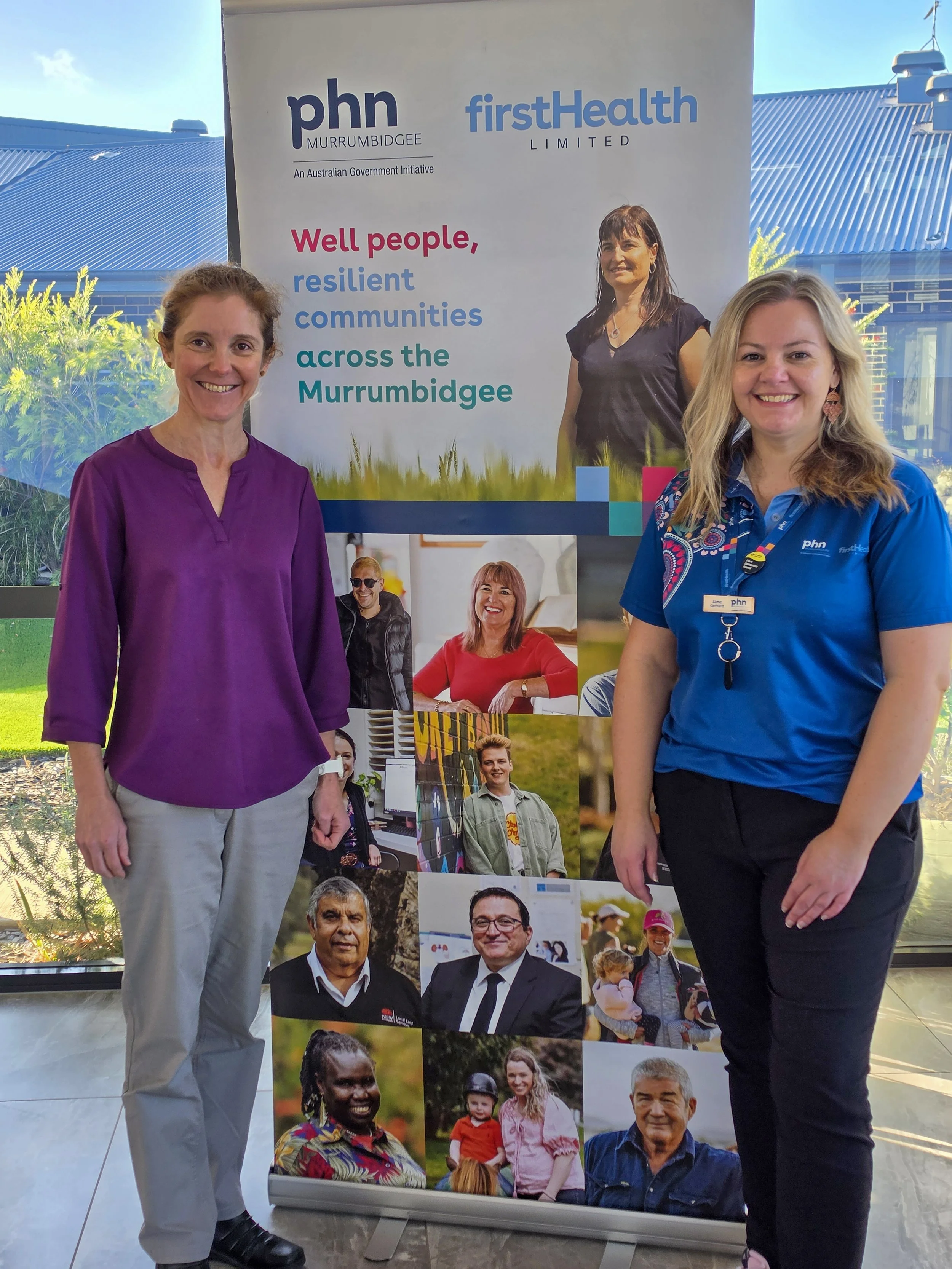
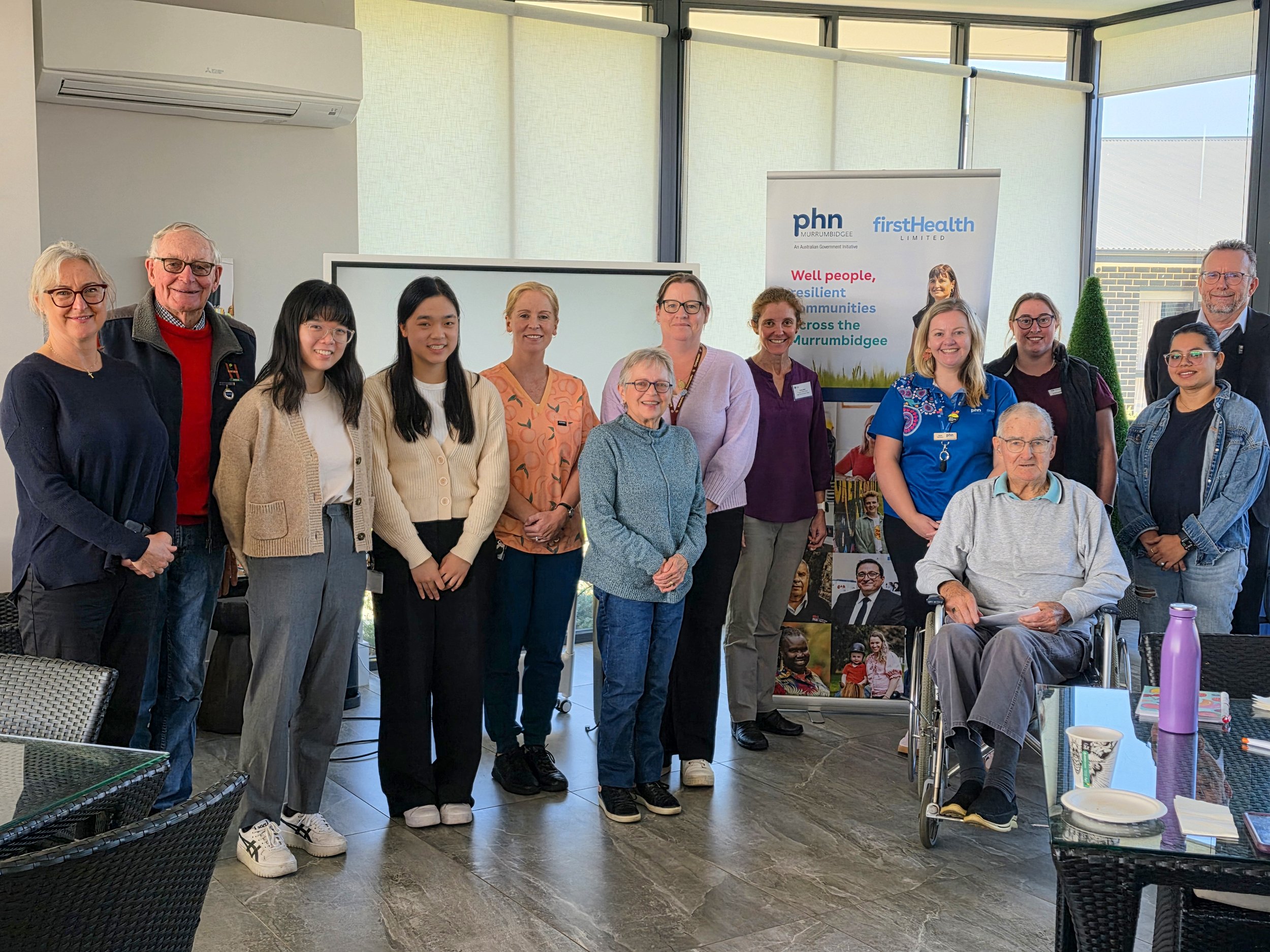
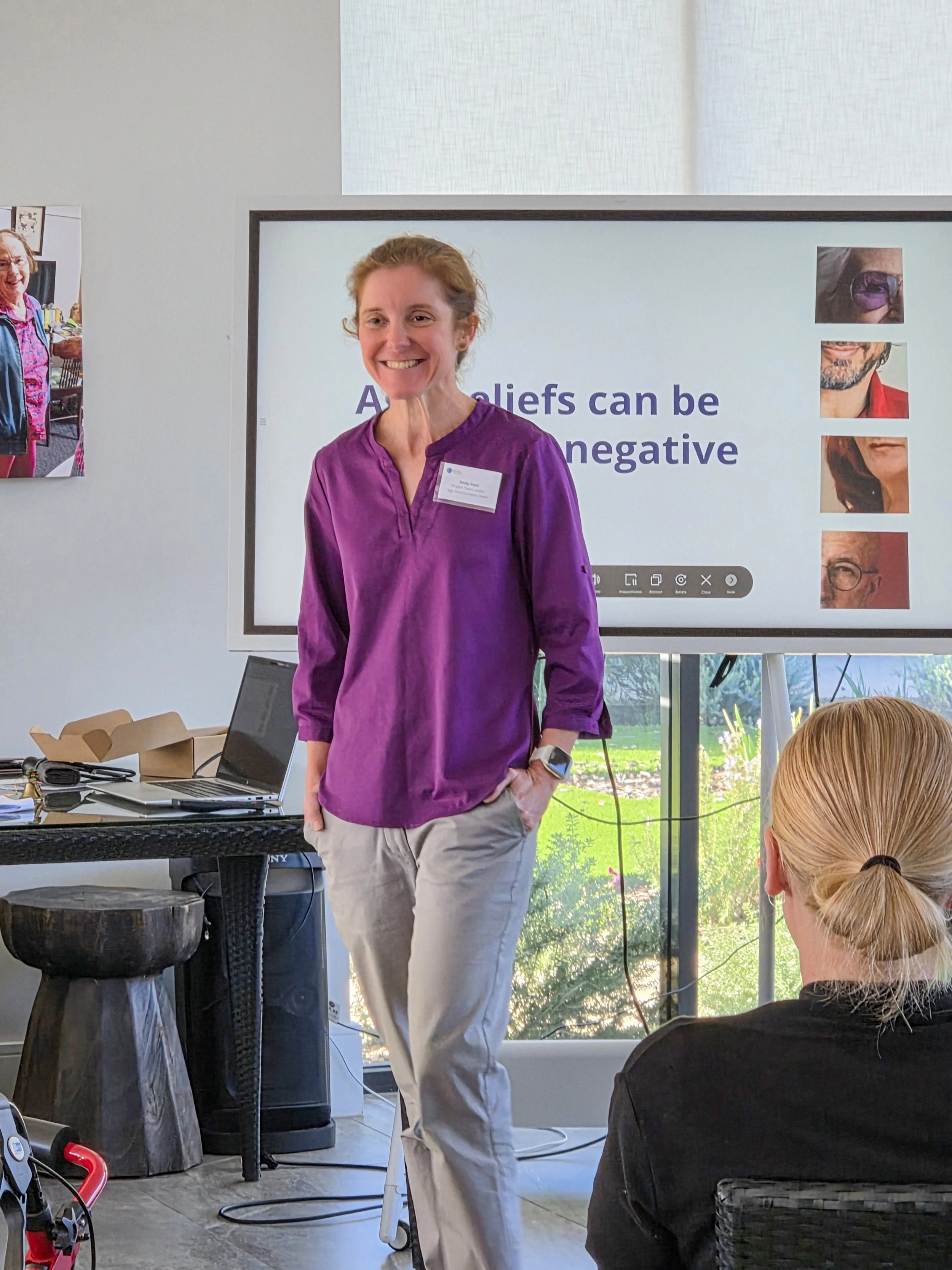
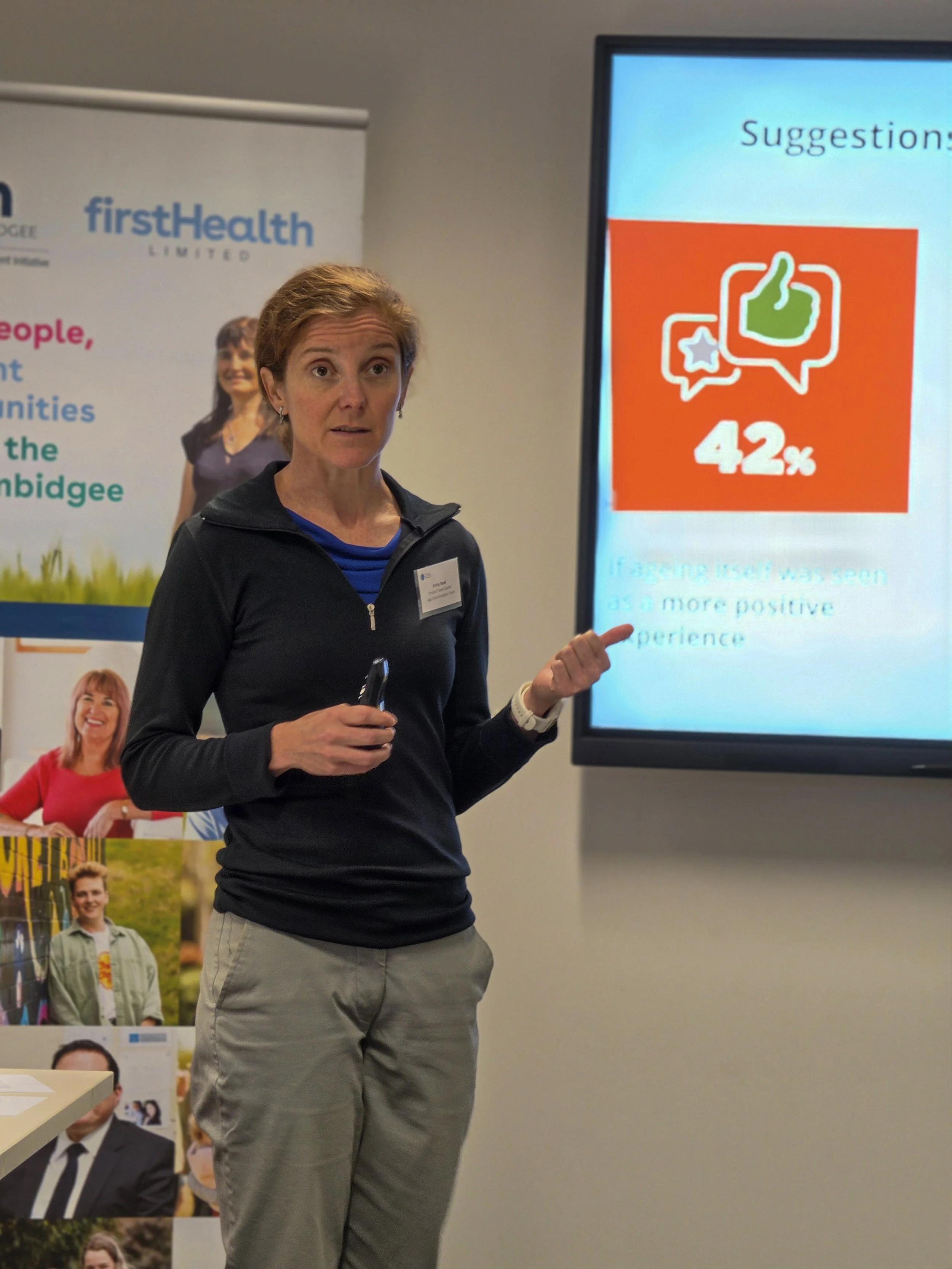
Dr Emily Steel from the Australian Human Rights Commission joined Jane Gerhard from MPHN for the workshops on ageism.
Murrumbidgee Primary Health Network (MPHN) is helping to increase ageism awareness, recently hosting Dr Emily Steel from the Australian Human Rights Commission (AHRC) for a series of regional workshops.
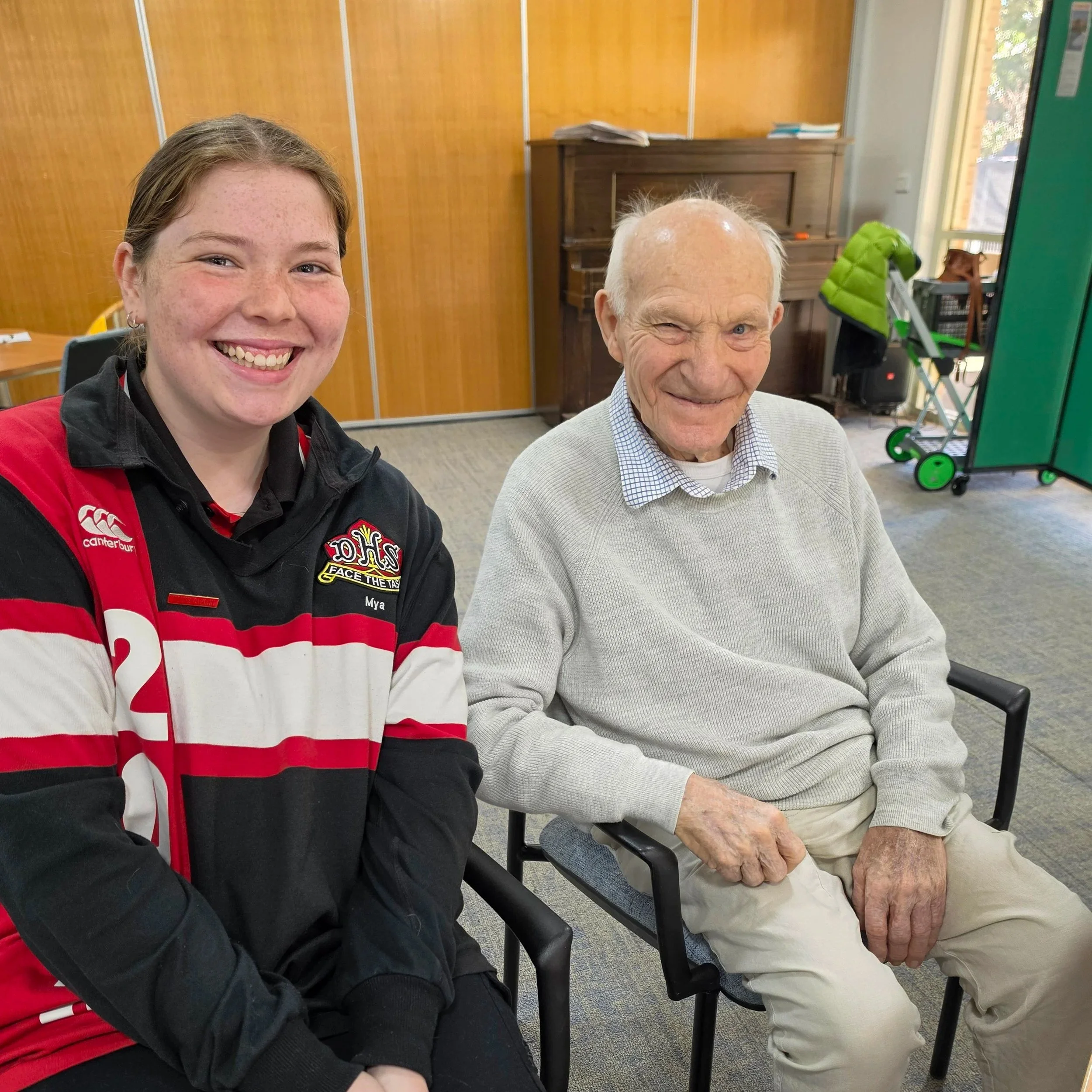
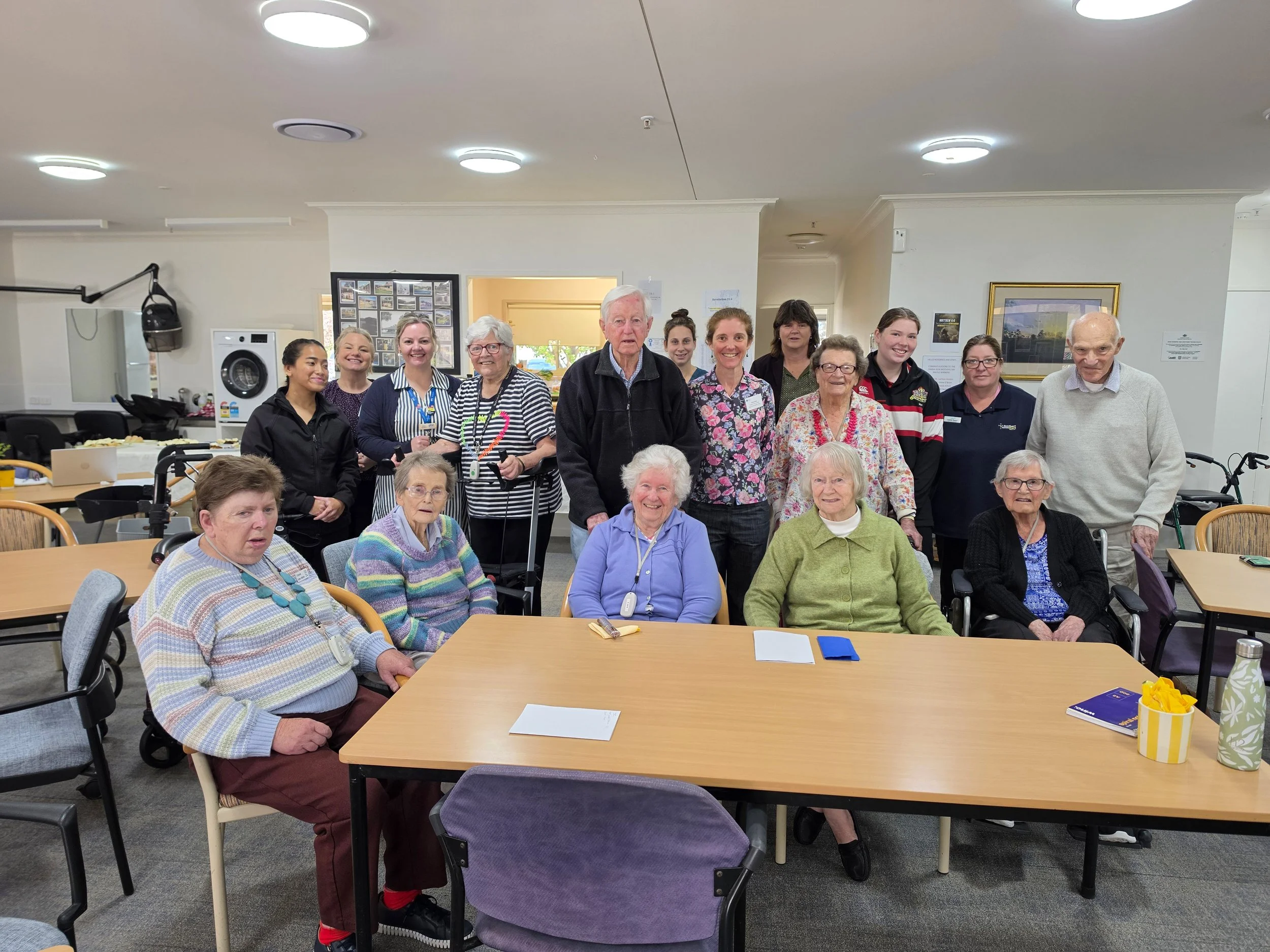
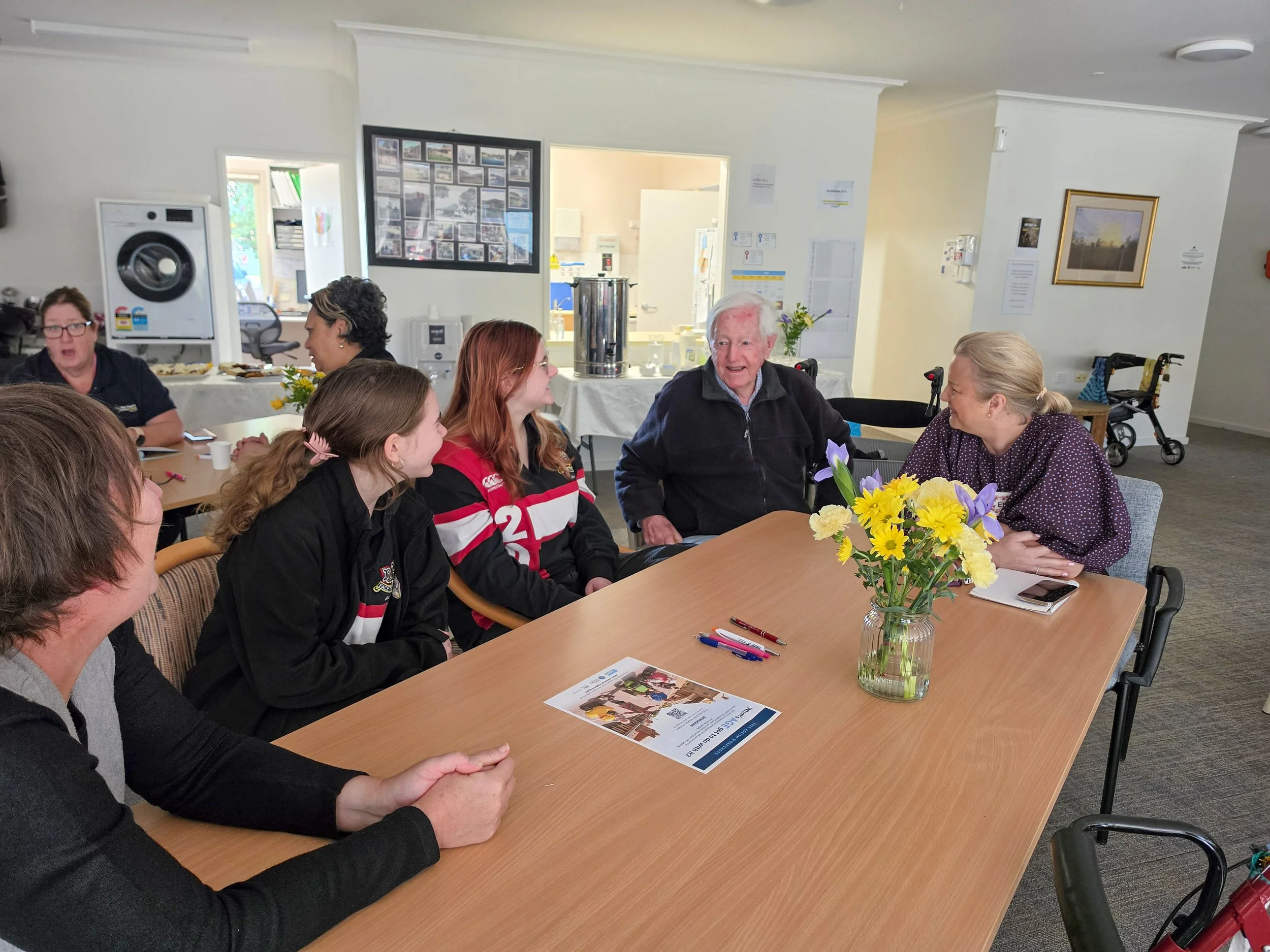
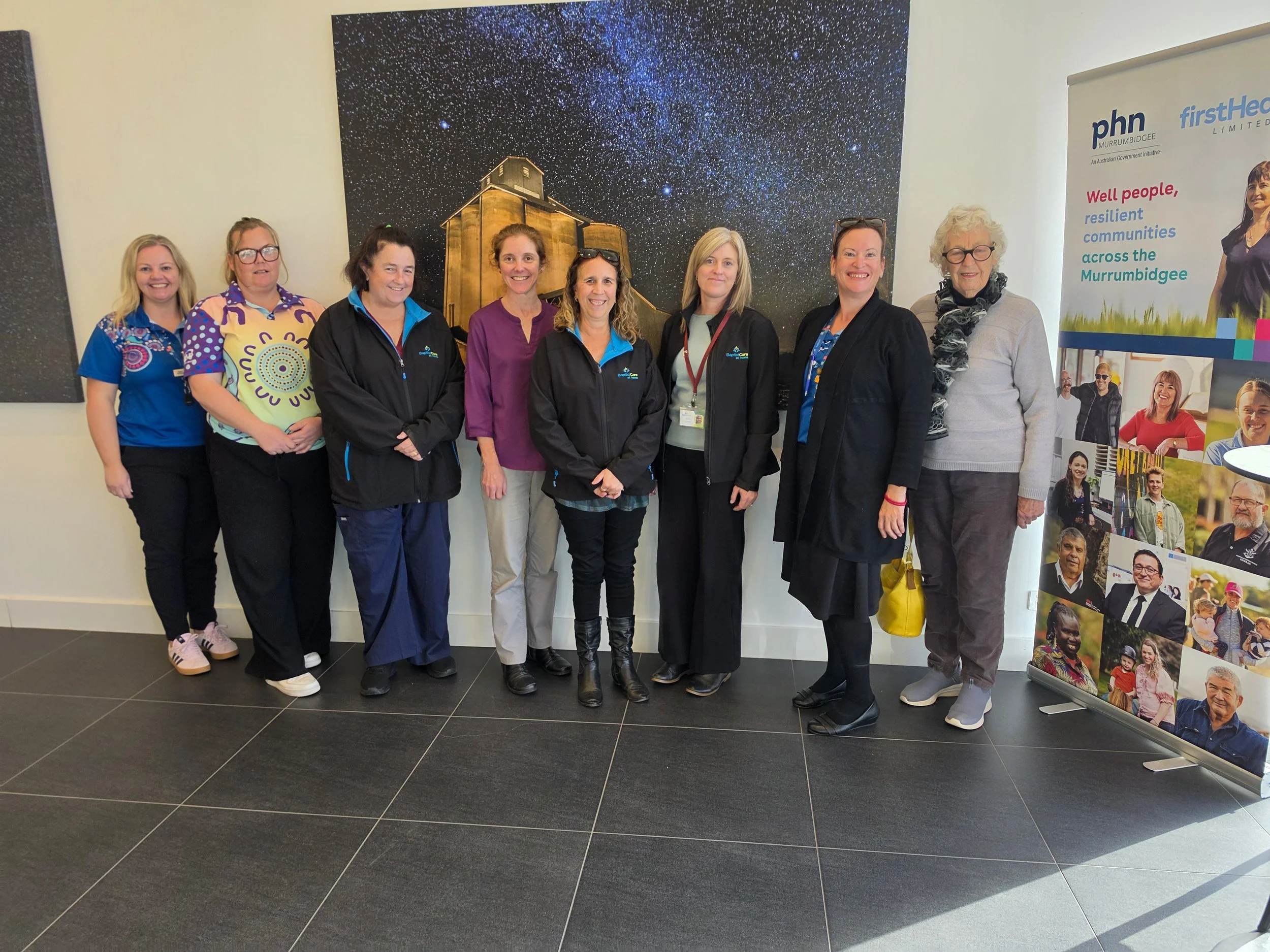
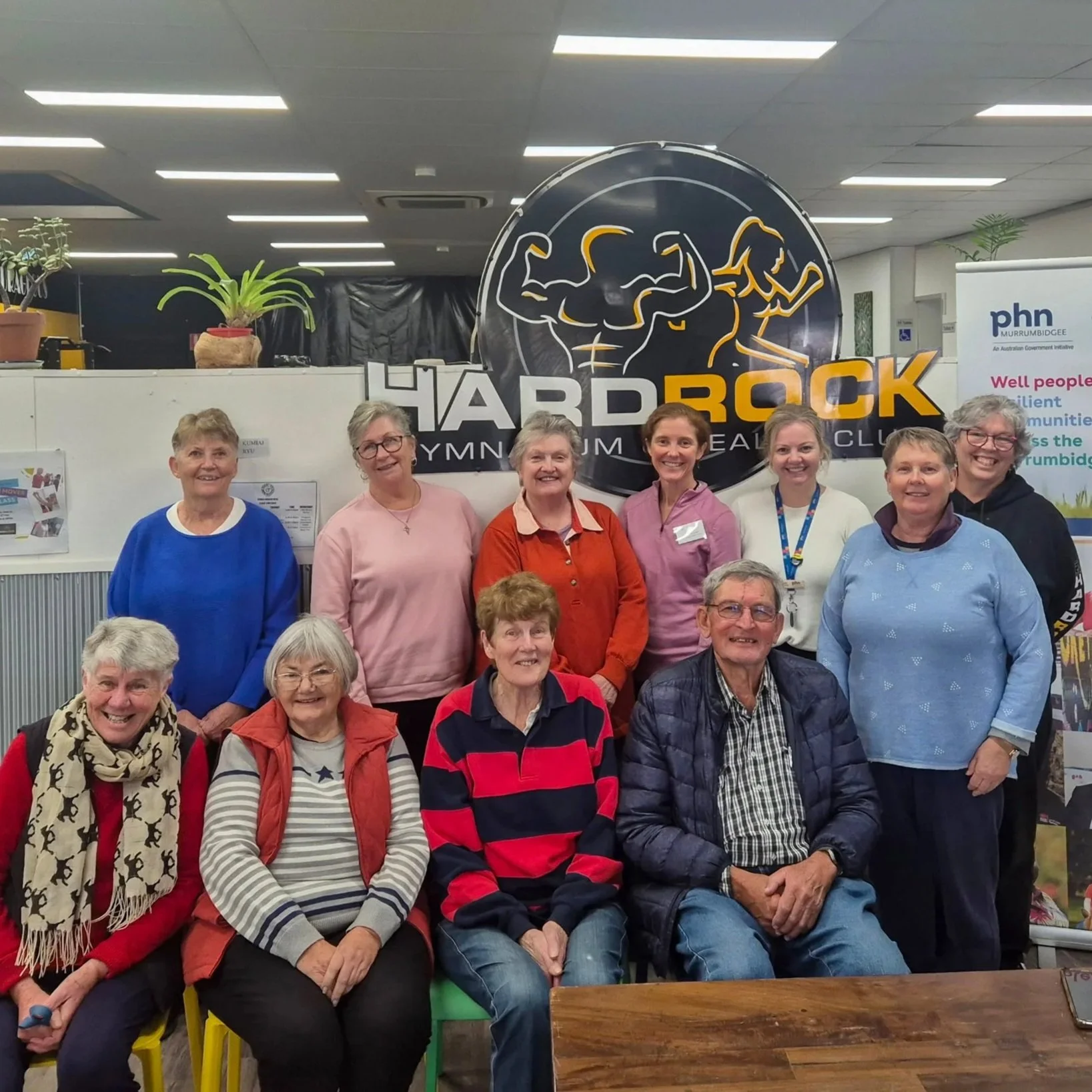
More than 90 people attended sessions in Harden, Wagga Wagga, Temora, Griffith and Deniliquin, coming together to challenge stereotypes, rethink assumptions and build stronger, more inclusive communities.
The workshops responded to growing evidence highlighting the impact of ageism in healthcare. A recent AHRC report found older Australians are often treated unfairly, being ignored, stereotyped or excluded from decisions about their own care, which can lead to poorer health outcomes, slower recovery and even earlier death.
MPHN General Practice and Aged Care Incentive Coordinator Jane Gerhard said the initiative aimed to raise awareness of age bias and support more inclusive, person-centred care.
“Ageism is considered the most pervasive and socially accepted form of prejudice in Australia, but it’s also one of the easiest to challenge,” Ms Gerhard said. “These workshops were about increasing awareness and supporting practical change across health settings and communities.”
Feedback from participants highlighted a strong shift in awareness, with many recognising how common ageism is and reflecting on their own assumptions. Attendees reported feeling better equipped to communicate respectfully with older people and to avoid making judgments based solely on age.
Ms Gerhard said participants also gained a deeper understanding of how ageism can affect people of any age, as well as the important role language, attitudes and intergenerational relationships play in shaping inclusive communities.
“People left with practical tools they can apply immediately, whether that’s being more mindful in conversations or advocating for more inclusive practices in their workplace,” Ms Gerhard said.
The workshops also align with evidence from previous AHRC sessions, which show lasting behavioural change, including improvements in how participants communicate with older people and increased willingness to challenge ageism in everyday settings.
MPHN extended its thanks to the local organisations that hosted and supported the sessions, along with the many community members and health professionals who attended.
Together, the workshops are helping reshape how ageing is understood across the region, encouraging more respectful, inclusive attitudes and strengthening community connections.
For those who were unable to attend, further information about ageism and ongoing work in this space is available on the Australian Human Rights Commission website.