
Palliative care
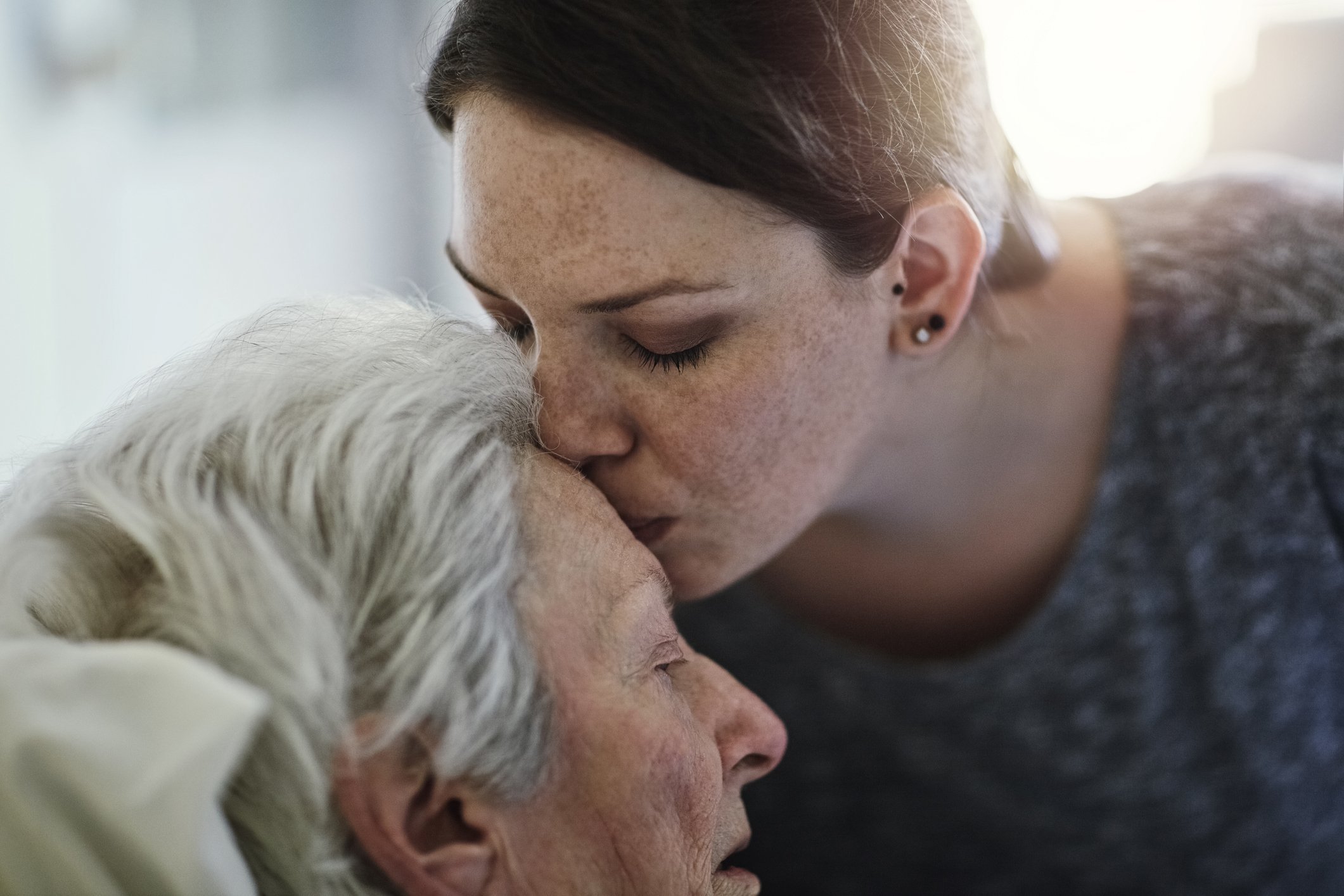
Palliative care plays an important role in supporting people with a life-limiting illness, as well as their families and carers. It focuses on comfort, dignity and quality of life, helping people access coordinated care and support that reflects their individual needs, values and preferences.
Directory and resources
Are you a carer? quiz

Palliative care resources

Murrumbidgee palliative care directory
Murrumbidgee palliative care directory
Accessing palliative care and respite
-
Respite care provides short-term support for a person with care needs and gives their carer time to attend everyday activities, rest or take a planned break. Depending on eligibility and local availability, respite may be provided at home, through a day centre, in overnight accommodation or in a residential aged care home.
Emergency respite may be arranged through Carer Gateway.
Community-based respite may include in-home care or centre-based day respite.
Residential respite provides a short stay in an aged care home and may be accessed through My Aged Care or other eligible funding arrangements.
Phone: 1800 422 737
Website: https://www.carergateway.gov.au/
-
The care finder Program is a free service for vulnerable older people who need intensive assistance to access aged care and other supports, and who do not have a family member or friend able to help. Care finders can assist eligible people to understand, access and navigate My Aged Care and relevant local health and community services.
Eligibility checker: https://www.myagedcare.gov.au/should-i-apply/requirements-checker
Berrigan, Edward River and Jerilderie: 1800 864 846
Other Murrumbidgee areas: 1300 418 223
Website: https://www.marathonhealth.com.au/
-
My Aged Care is the Australian Government entry point for aged care information, assessments and services. It can explain available services, arrange an assessment, provide referrals to approved providers and outline possible fees or contributions.
A person seeking palliative care support should explain their circumstances when applying for an assessment. Eligible older people who are approaching the end of life may be considered for the Support at Home End-of-Life Pathway, which provides higher-level in-home support.
The person may apply online or by phone.
An assessor may arrange an in-person assessment, usually in the person’s home.
The person should have identification, relevant referrals, medication and health information, and contact details for their GP or other health professionals available.
A registered supporter, interpreter or other communication assistance may be requested.
Phone: 1800 200 422
Website: https://www.myagedcare.gov.au/
Support at Home: https://www.myagedcare.gov.au/support-at-home
-
A person may arrange private home care directly with a provider on a fee-for-service basis. The My Aged Care provider search can be used to identify services operating in the person’s area.
Find a provider: https://www.myagedcare.gov.au/find-a-provider
-
The Murrumbidgee Local Health District Specialist Palliative Care Service supports people with complex needs to live as fully and comfortably as possible while experiencing a life-limiting or terminal illness. Support may be provided at home, in hospital or in a care facility while the person continues other treatment.
The multidisciplinary team may include specialist nurses, social workers, occupational therapists, speech pathologists, dietitians and Aboriginal health support workers. The team works with the person, family, carers and other health professionals to manage physical, emotional, social and spiritual concerns.
A referral from a treating doctor or community nurse is preferred but is not essential. Another person may make a referral with the person’s consent.
Phone: 1800 654 324
Email: MLHD-CCIS@health.nsw.gov.au
Website: https://www.mlhd.health.nsw.gov.au/our-services/palliative-care
-
The Community Care Intake Service provides information about local community health services and accepts self-referrals and referrals from GPs, doctors and other service providers. Services may include community nursing, palliative care nursing, allied health, counselling, diabetes education, respiratory care and other community supports.
Phone: 1800 654 324
Email: MLHD-CCIS@health.nsw.gov.au
-
A general practitioner can coordinate general palliative care, manage symptoms, support advance care planning and end-of-life care, and work with specialist palliative care services. The GP can refer the person to a multidisciplinary specialist team when symptoms or care needs become complex.
The person or carer should ask the GP whether the practice provides after-hours support and how urgent concerns should be managed outside normal opening hours. NSW residents receiving palliative care, their carers and families can also contact 1800MEDICARE for free nurse advice at any time.
1800MEDICARE: 1800 633 422
Hospitals, hospice and clinical services
-
Calvary Riverina Hospital’s Specialist Palliative Care Unit provides inpatient care to public and private patients who require specialist palliative care. Admissions may support complex symptom management, end-of-life care or short-term respite.
Patients are admitted under a specialist physician and supported by a multidisciplinary team that may include nursing, allied health, medical and pastoral care staff. Referrals may be made by a GP, medical specialist or the Murrumbidgee Local Health District Community Palliative Care Service.
Acute palliative care assessment
Pain, medication and symptom management
Short-term respite care
General clinical and nursing care
Social work and pastoral care support
Location: Ground floor, Calvary Riverina Hospital, 20 Hardy Avenue, Wagga Wagga NSW 2650
Phone: 02 6923 2200
Availability: 24 hours a day, 7 days a week
Website: https://www.calvarycare.org.au/riverina-private-hospital/
-
The Riverina Cancer Care Centre is a comprehensive cancer treatment facility on the Calvary Riverina Hospital campus. It provides radiation therapy and chemotherapy to public and private patients, together with access to nursing, allied health and cancer support services.
Patients should ask about fees before appointments, tests or treatment and confirm any Medicare or private health insurance rebate. Initial treatment referrals are generally made by a GP or treating specialist. Patients should bring their referral, medication list and relevant imaging or test results.
Cancer care coordination and oncology social work
Dietetic, speech pathology and palliative care nursing support
Specialist cancer nurses and support groups
Local transport assistance and volunteer support, where available
Address: 31 Meurant Avenue, Wagga Wagga NSW 2650
Phone: 02 6932 1000
Hours: Monday to Friday, 7.30 am to 5.00 pm
Website: https://www.calvarycare.org.au/riverina-private-hospital/services-and-clinics/cancer-care/
-
The Forrest Centre Hospice is a residential palliative care facility located at Mary Potter Nursing Home in Wagga Wagga. It provides respite and longer-term end-of-life care for people who cannot be cared for in an acute hospital or at home.
The hospice has 10 private rooms with ensuites, family spaces and facilities that allow a family member to stay overnight. It provides 24-hour nursing care, palliative care-trained staff, multidisciplinary support, pastoral care and activities that support quality of life.
Referrals may be made by doctors, hospital liaison staff, community palliative care nurses, aged care assessment teams, family members, friends or the person seeking care.
Address: Lewisham Avenue, Wagga Wagga NSW 2650
Phone: 02 6932 3011
Email: admin@forrestcentre.com.au
Website: https://forrestcentre.com.au/
-
Mercy Health Albury provides specialist palliative care services for people living with an advanced or life-limiting illness. The service supports people to achieve the best possible quality of life by addressing their physical, emotional, social and spiritual needs.
The Palliative Care Centre provides:
a community palliative care program that supports people to remain at home
a 10-bed inpatient unit, including a family stay unit
specialist palliative medicine consultation
24-hour support from specialist palliative care nurses
allied health, pastoral care, bereavement and volunteer support
the Creative Living Centre, which provides social and emotional support through activities and connection
clinical leadership, education and support for health professionals across the region.
Referrals may be made by health professionals, community service providers, carers, relatives or friends. People may also refer themselves. Referrals may be made for an initial assessment following the diagnosis of an incurable illness or for ongoing palliative care support.
Address: Level 4, Mercy Health Albury, 550 Poole Street, Albury NSW 2640
Palliative care enquiries and support: 02 6042 1410
Main reception: 02 6042 1400
Website: https://health-services.mercyhealth.com.au/service/palliative-care-albury/ -
Wagga Wagga Base Hospital provides acute hospital services, including a 24-hour emergency department, critical care, medical, surgical, paediatric, obstetric, rehabilitation and allied health services.
Palliative care in the community is supported by GPs and specialist palliative care nurses. Inpatient palliative care is supported by the admitting medical practitioner and clinical team, with additional specialist palliative care nursing support where required. Public patients may be transferred to Calvary Riverina Hospital for inpatient palliative care when clinically appropriate.
Address: Edward Street, Wagga Wagga NSW 2650
Phone: 02 5943 1000
Website: https://www.mlhd.health.nsw.gov.au/our-facilities/wagga-wagga-health-service
-
NSW Ambulance paramedics can provide assessment, symptom management and compassionate support for palliative care patients in the community. Where required and consistent with the person’s care plan and preferred place of care, paramedics may transport the person to hospital.
It is helpful for the person to have an advance care plan or directive, a current medication list, recent discharge information and a letter or plan from the palliative care clinician available. Triple Zero should be used for emergencies.
Emergency: 000
Website: https://www.ambulance.nsw.gov.au/our-services/palliative-care
-
Patient Transport Service provides non-emergency transport to or from a health facility for people who are medically unsuitable for community, public or private transport. Eligibility must be assessed by a medical practitioner or registered nurse, and bookings can only be made by an authorised health professional or facility.
Website: https://www.health.nsw.gov.au/pts/Pages/info-for-patients.aspx
Cancer and condition-specific support
-
Cancer Council NSW provides free, confidential information and support for people affected by cancer, their families, carers, friends and health professionals. Services may include counselling, financial support, transport to treatment, accommodation assistance and support after treatment.
Phone: 13 11 20
Interpreter service: 13 14 50
-
McGrath Cancer Care Nurses provide free clinical, psychosocial and emotional support to people experiencing cancer and their families. A referral is not required. The online search can identify the nearest nurse or another suitable support service.
Find a nurse: https://www.mcgrathfoundation.com.au/get-support/find-a-nurse/
-
The Leukaemia Foundation supports people affected by blood cancer and their families. Support may include information, care navigation, emotional and practical assistance, and subsidised or free accommodation where available for regional patients travelling for treatment.
Phone: 1800 620 420
Accommodation enquiries: 1800 555 021
Website: https://www.leukaemia.org.au/how-we-can-help/accommodation-services/about-accommodation-services/
-
Canteen provides tailored support to young people aged 12 to 25 who are dealing with their own cancer diagnosis, a close family member’s cancer or the death of a loved one. Support includes access to health professionals, counselling, peer connection and information.
Phone: 1800 945 215
Website: https://www.canteen.org.au/
-
Melanoma Patients Australia provides free support, information, groups, peer connections and a telehealth nurse service for people affected by melanoma.
Melanoma Institute Australia provides clinical psychology services for eligible patients of the institute or affiliated clinicians. A referral from a health professional is preferred, although self-referrals may be accepted. The service is not a crisis mental health service.
Melanoma Patients Australia: https://melanomapatients.org.au/
Psychology phone: 02 9911 7285
Psychology email: psychology@melanoma.org.au
Melanoma Institute Australia: https://melanoma.org.au/
-
Dementia Australia provides information, education, counselling, support and resources for people living with dementia, families, carers and health professionals. The National Dementia Helpline provides free and confidential advice and support.
National Dementia Helpline: 1800 100 500
Website: https://www.dementia.org.au/
Service enquiry: https://www.dementia.org.au/support/service-enquiry
-
Peace of Mind Foundation supports people affected by brain cancer, their carers and families. Services may include advocacy, counselling, support groups and assistance to navigate the NDIS, Centrelink and other government programs. Eligibility and registration requirements apply.
Phone: 0411 382 457
Email: info@peaceofmindfoundation.org.au
Services: https://www.peaceofmindfoundation.org.au/services-resources-1
Request support: https://www.peaceofmindfoundation.org.au/request-for-support-services
-
Country Hope supports children and families in regional communities affected by cancer and other life-threatening illnesses. Its service area includes the NSW Riverina, Central West and Tablelands, and the Border and north-east regions of NSW and Victoria.
Address: 25 Blake Street, Wagga Wagga NSW 2650
Phone: 02 6971 8955
Freecall: 1800 007 880
Email: admin@countryhope.com.au
Website: https://www.countryhope.com.au/
-
Dreams2Live4 creates personalised dreams for eligible adults living with metastatic cancer, relapsed lymphoma, relapsed leukaemia or high-grade brain tumours. Eligibility criteria apply.
Phone: 02 8914 9997
Website: https://dreams2live4.org.au/
Accommodation, travel and transport
-
Lilier Lodge provides accommodation for people travelling to Wagga Wagga for cancer treatment at nearby facilities, including the Riverina Cancer Care Centre, Wagga Wagga Base Hospital and Calvary Riverina Hospital. When vacancies permit, accommodation may be available for other medical appointments.
The 21-room self-care facility includes guest laundry facilities, a communal kitchen and lounge, Wi-Fi, linen, weekly room servicing and continental breakfast. Volunteer transport may be available.
Address: 317–321 Edward Street, Wagga Wagga NSW 2650
Phone: 02 6925 5240
-
Ronald McDonald House Charities supports families with a seriously ill or injured child by providing accommodation and other practical supports near participating hospitals. Services and eligibility vary by location.
Website: https://www.rmhc.org.au/
-
Description text goes here
-
Can Assist provides practical and financial support to people in rural and regional NSW who are affected by cancer. The Wagga Wagga branch may assist with accommodation and other treatment-related costs, subject to eligibility and available resources.
Phone: 0475 202 663
Email: wagga@canassist.org.au
-
IPTAAS provides NSW Government financial assistance towards travel and accommodation when a person must travel long distances for specialist treatment that is not available locally.
Eligibility generally requires the person to live in NSW, be enrolled in Medicare, attend the nearest approved health service and travel at least 100 kilometres one way, or at least 200 kilometres in one week through multiple trips. Other eligibility conditions apply. Assistance may be available for private vehicle travel, public transport, taxis or rideshare, air travel in special circumstances and accommodation.
Phone: 1800 478 227
Email: IPTAAS@health.nsw.gov.au
Apply online: https://www.iptaas.health.nsw.gov.au/apply-online
-
Community transport providers offer specialised transport for eligible older people, people with disability and people who are transport-disadvantaged. Availability and eligibility vary by local government area. The person should contact the relevant local provider or council for options in their area.
-
The Taxi Transport Subsidy Scheme assists eligible NSW residents who cannot use public transport because of a severe and permanent disability. Approved participants may receive a subsidy of 50 per cent of the taxi fare, up to the scheme maximum. Medical certification and other application requirements apply.
Website: https://www.service.nsw.gov.au/transaction/apply-for-the-taxi-transport-subsidy-scheme
Carer, practical and community support
-
Carer Gateway is an Australian Government program providing free services and support for unpaid carers. Services may include peer support, counselling, coaching, skills courses, tailored support packages, planned respite and emergency respite.
Phone: 1800 422 737
Website: https://www.carergateway.gov.au/
-
Carers NSW is the peak non-government organisation for carers in NSW. It provides information, education, training, advocacy and support for carers and organisations that work with carers.
Phone: 02 9280 4744
Website: https://www.carersnsw.org.au/
-
Meals on Wheels supports eligible people to remain living independently at home by providing meals, social connection and wellbeing checks. Local services, menus, fees and eligibility vary. Government-supported access may be available through aged care or disability programs.
Phone: 1300 679 669
Website: https://nswmealsonwheels.org.au/
-
Carevan Wagga provides free community meals and social connection for people experiencing homelessness, disadvantage, social isolation or food insecurity. Meal locations and operating dates may change and should be confirmed before attending.
Website: https://carevanwagga.org.au/
-
The Vinnies Micah Hub provides face-to-face support and referrals for people who need financial, food or material assistance.
Address: 53 Gurwood Street, Wagga Wagga NSW 2650
Phone: 02 6923 1904
Vinnies assistance line: 13 18 12
Email: svdpwagga@vinnies.org.au
-
The Salvation Army’s Wagga Wagga services may provide low-cost pantry items, donated goods and support through local Doorways and community programs. Available services and opening hours should be confirmed directly.
Address: 180 Forsyth Street, Wagga Wagga NSW 2650
Phone: 02 6931 0271
Website: https://www.salvationarmy.org.au/locations/new-south-wales/wagga-wagga/
Financial, legal and government support
-
No Interest Loans provide access to safe, affordable credit for eligible people on low incomes. Loans are generally available for essential goods and services and are not cash loans. Eligibility and approved uses apply.
Phone: 13 64 57
Find a provider: https://www.service.nsw.gov.au/transaction/find-a-no-interest-loans-scheme-nils-provider
-
Superannuation may be accessed early only in limited circumstances, including a terminal medical condition, incapacity, severe financial hardship or approved compassionate grounds. For release on terminal medical condition grounds, two registered medical practitioners must certify that the illness or injury is likely to result in death within 24 months, and at least one practitioner must be a relevant specialist.
The person should contact their superannuation fund about the required evidence and application process.
Australian Taxation Office information: https://www.ato.gov.au/individuals-and-families/super-for-individuals-and-families/super/withdrawing-and-using-your-super/early-access-to-super
-
The Department of Veterans’ Affairs provides eligible current and former Australian Defence Force members and their families with health, compensation, income and practical supports. Eligible veterans may receive palliative care at home, in hospital or in residential aged care through funded providers.
Phone: 1800 838 372
Website: https://www.dva.gov.au/
-
A person with a life-limiting illness, or a person providing ongoing care, may be eligible for Services Australia payments or concessions. These may include Disability Support Pension, Carer Payment, Carer Allowance, Pensioner Concession Card or Health Care Card. Eligibility, medical evidence and income or assets tests may apply.
Terminal illness verification form: https://www.servicesaustralia.gov.au/sa494
Support for carers: https://www.servicesaustralia.gov.au/getting-payment-if-youre-carer
-
Anglicare NSW West provides free and confidential financial counselling across the Murray, Riverina, Snowy Valleys and Goulburn regions. Financial counsellors can assess a person’s circumstances, explain options, negotiate with creditors, provide ongoing support and assist with debt and insolvency matters.
Phone: 02 6937 1555
Email: referralsfc@anglicare.com.au
Website: https://www.anglicare.com.au/what-we-offer/financial-counselling/
-
NSW Trustee and Guardian provides will-making, estate administration, trustee, financial management and guardianship services. Fees and eligibility depend on the service required.
General enquiries: 1300 109 290
Wagga Wagga office: 1300 102 030
Address: 176 Baylis Street, Wagga Wagga NSW 2650
Website: https://www.tag.nsw.gov.au/
-
An Advance Care Directive records a person’s decisions, values and preferences for future healthcare if they become unable to make or communicate decisions. In NSW, a person does not have to use a specific form, but the directive should be clear, signed and dated. It may include treatment instructions, values and preferences, and details of an enduring guardian or person responsible.
The person should discuss the directive with their substitute decision-maker, family, GP and treating team and provide copies to relevant health services.
NSW Health information and form: https://www.health.nsw.gov.au/patients/acp/Pages/acd-form-info-book.aspx
Advance Care Planning Australia: https://www.advancecareplanning.org.au/
Medicines, equipment and health information
-
EnableNSW provides assistive technology and related services to eligible NSW residents with short-term or ongoing health needs. Equipment and support are subject to program-specific eligibility criteria and clinical assessment.
Phone: 1800 362 253
Eligibility indicator: https://www.enable.health.nsw.gov.au/for_individuals/eligibility-indicator
-
The Pharmaceutical Benefits Scheme subsidises the cost of listed medicines for eligible people.
After the PBS Safety Net threshold is reached and a Safety Net card is issued, eligible patients pay the concessional rate or receive eligible medicines without a co-payment for the remainder of the calendar year, excluding applicable premiums or special patient contributions.
PBS information line: 1800 020 613
Current fees and charges: https://www.pbs.gov.au/about/what-is-the-pbs/what-are-the-current-patient-fees-and-charges
Safety Net information: https://www.servicesaustralia.gov.au/pbs-safety-net
-
A person receiving palliative care should identify local pharmacies that offer home delivery and confirm delivery times, fees and opening hours, including evenings, weekends and public holidays.
Pharmacies may provide dose administration aids, such as sealed blister packs, to help a person take medicines at the correct dose and time. The person should ask their pharmacist about available products and fees.
Dose Administration Aids Program: https://www.health.gov.au/our-work/dose-administration-aids-program
-
Home or residential-facility pathology collection may be available when a person is medically or physically unable to attend a collection centre. A GP or treating clinician should confirm eligibility and the appropriate provider. Availability varies by location and provider.
Laverty Pathology mobile collections: https://www.laverty.com.au/clinicians/mobile-collections
Douglass Hanly Moir locations: https://www.dhm.com.au/locations/
-
My Health Record is a secure online summary of key health information that can be accessed by the person and authorised healthcare providers, including in an emergency. The person must link Medicare to myGov to access the record online.
Website: https://www.digitalhealth.gov.au/initiatives-and-programs/my-health-record