Building a stronger GP workforce pipeline
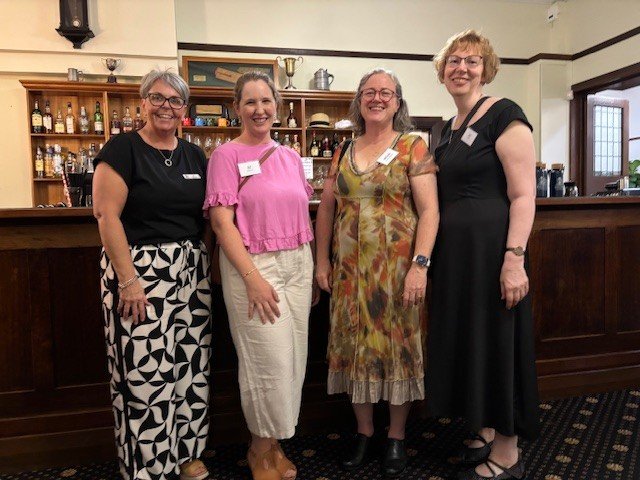
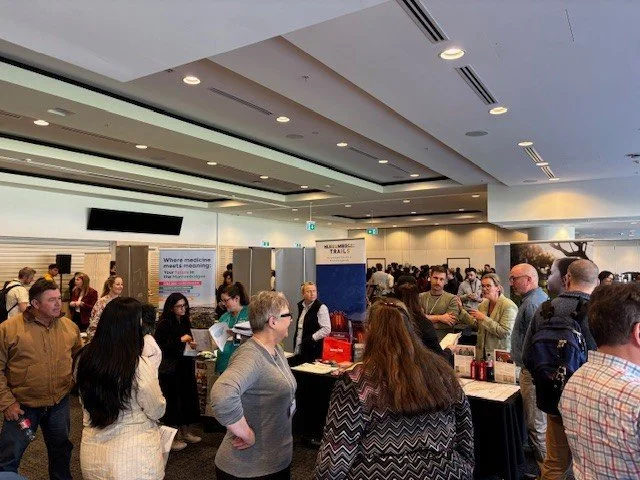
RACGP Rural Showcase events attended by MPHN, with approximately 250 people at each event
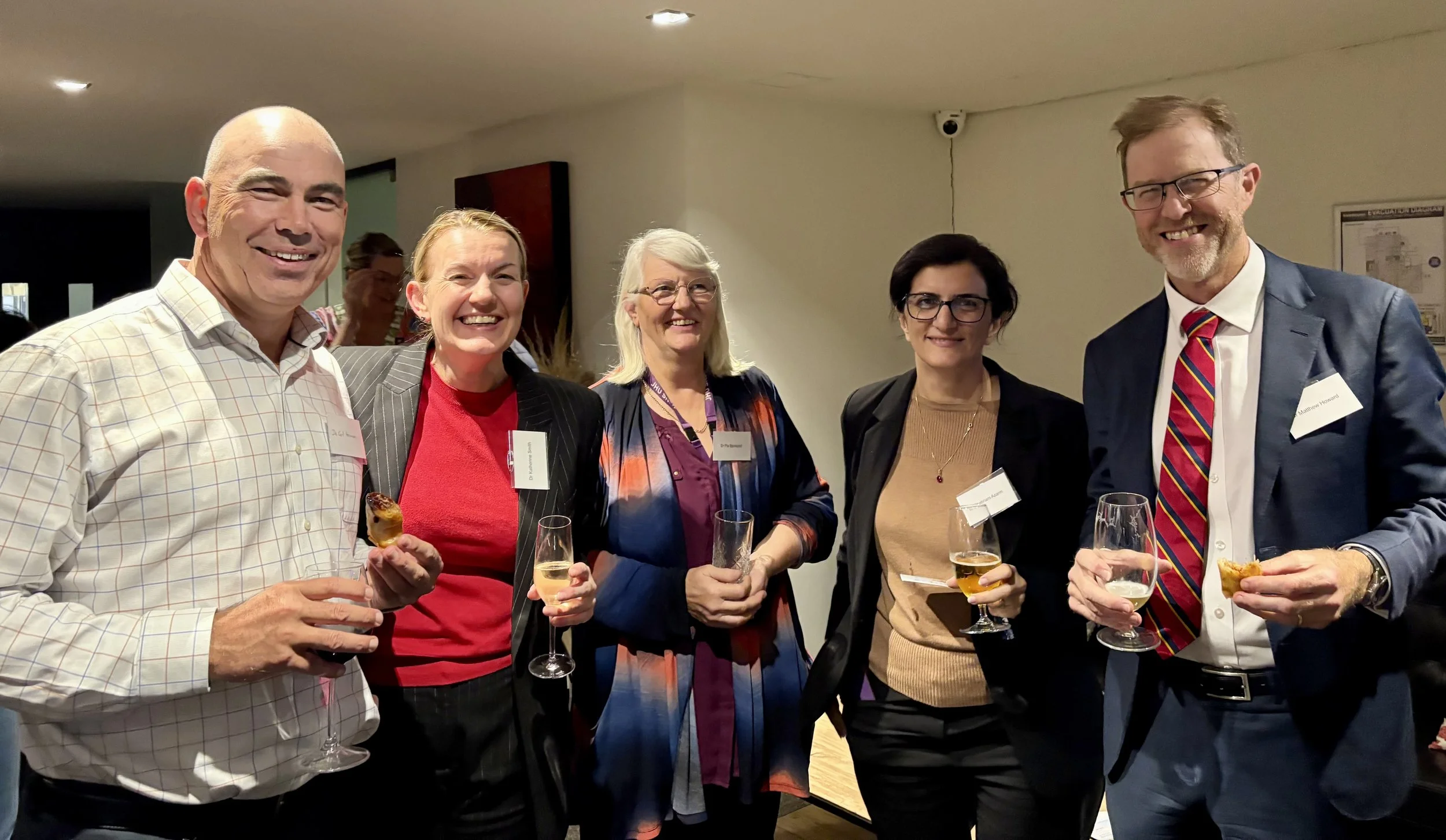
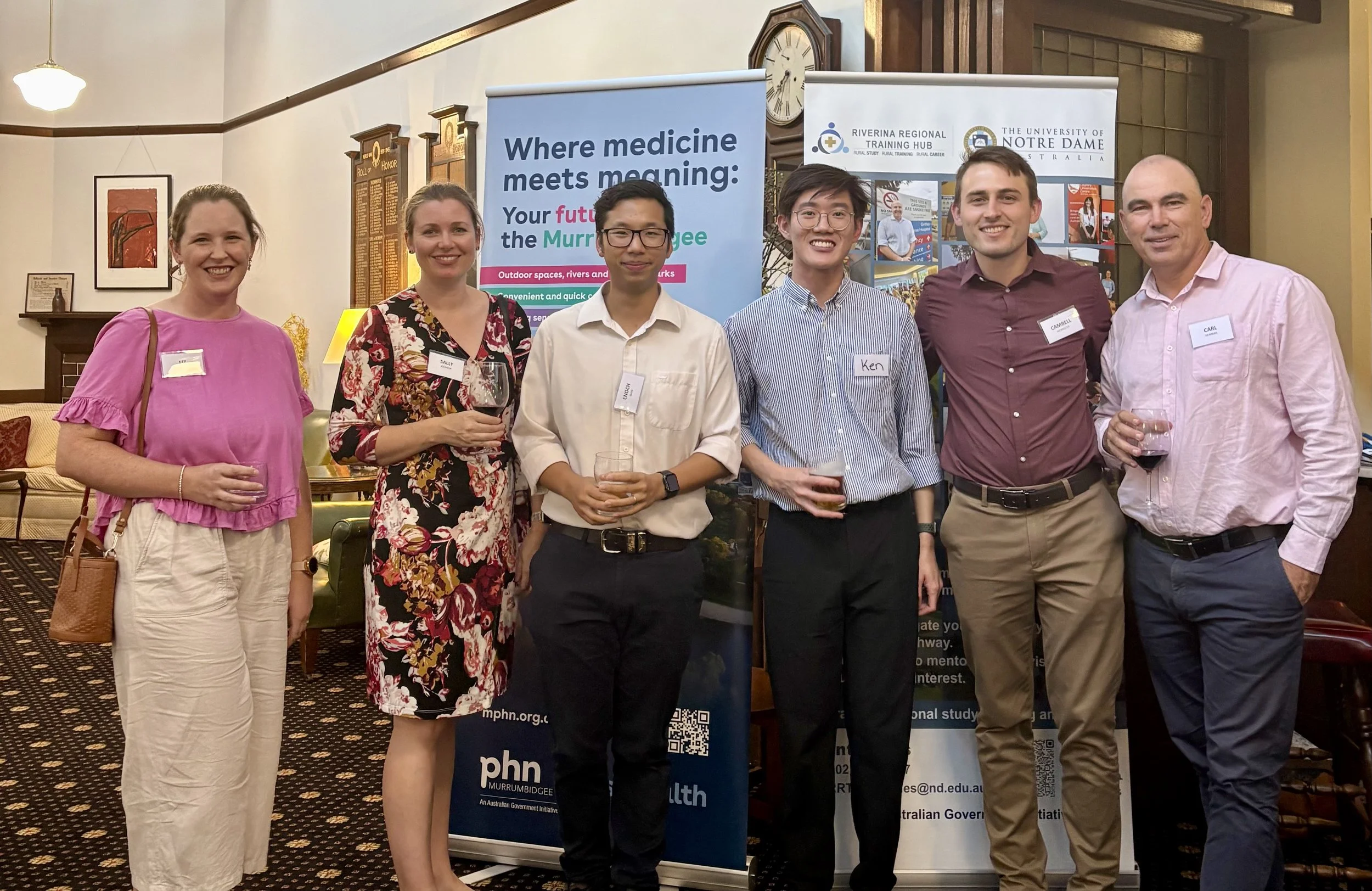
The events brought together GP registrars, rural general practices and regional health organisations
GP registrars joined practices in Western Murrumbidgee
In 2025-2026, the General Practice Workforce Planning and Prioritisation (WPP) program strengthened Murrumbidgee Primary Health Network’s (MPHN) capacity to identify areas of GP workforce need and work with training partners to support a pipeline into those communities.
Through analysis of workforce need, training capacity and pathways, MPHN provided local intelligence to inform registrar distribution and placement planning. This work was complemented by practical initiatives including registrar webinars, orientation resources, workforce promotion and participation in RACGP Rural Showcase events during 2025-2026.
The partnership also gave RACGP access to local information beyond its own training data. RACGP Manager Rural Pathway and Rural Generalist Training, Jo Sayer, said MPHN provided valuable knowledge of “the temperature of general practice on the ground” and helped identify where additional support could make a difference.
Importantly, the collaboration also helped connect prospective GPs with the Murrumbidgee much earlier in their careers.
“We know that when you grow your own and train your own, they generally stay. MPHN was able to foster those early connections with medical students and junior doctors and help create a pipeline through the training continuum. Their engagement in that process was invaluable,” Ms Sayer said.
That engagement translated into tangible results, with two registrars joining practices in Western Murrumbidgee following MPHN’s involvement in RACGP Showcase events. While these placements represent a positive development, attracting doctors is only one part of building a sustainable regional workforce.
But attracting doctors is only part of the challenge. Creating an experience that makes them feel supported, connected and able to build a life in the region can determine whether they stay.
“How important is it? It’s make or break,” Ms Sayer said. “They need to know that when they land in a region they’re going to be supported, not only from their training perspective, but from their community as well. Housing, childcare and transport are key factors, and community connection and social integration are really important.”
That is where MPHN’s local knowledge, relationships and understanding of regional workforce needs provide an important foundation for ongoing recruitment and retention efforts. By supporting registrars professionally and helping them connect with regional communities, MPHN can help turn a regional training placement into somewhere a doctor can see themselves building a career, a life and a future.