Taking the conversation to community
First Nations community members engaged about cervical screening at three NAIDOC events
Women surveyed about their experiences and awareness of cervical screening
Of survey participants said the information was helpful
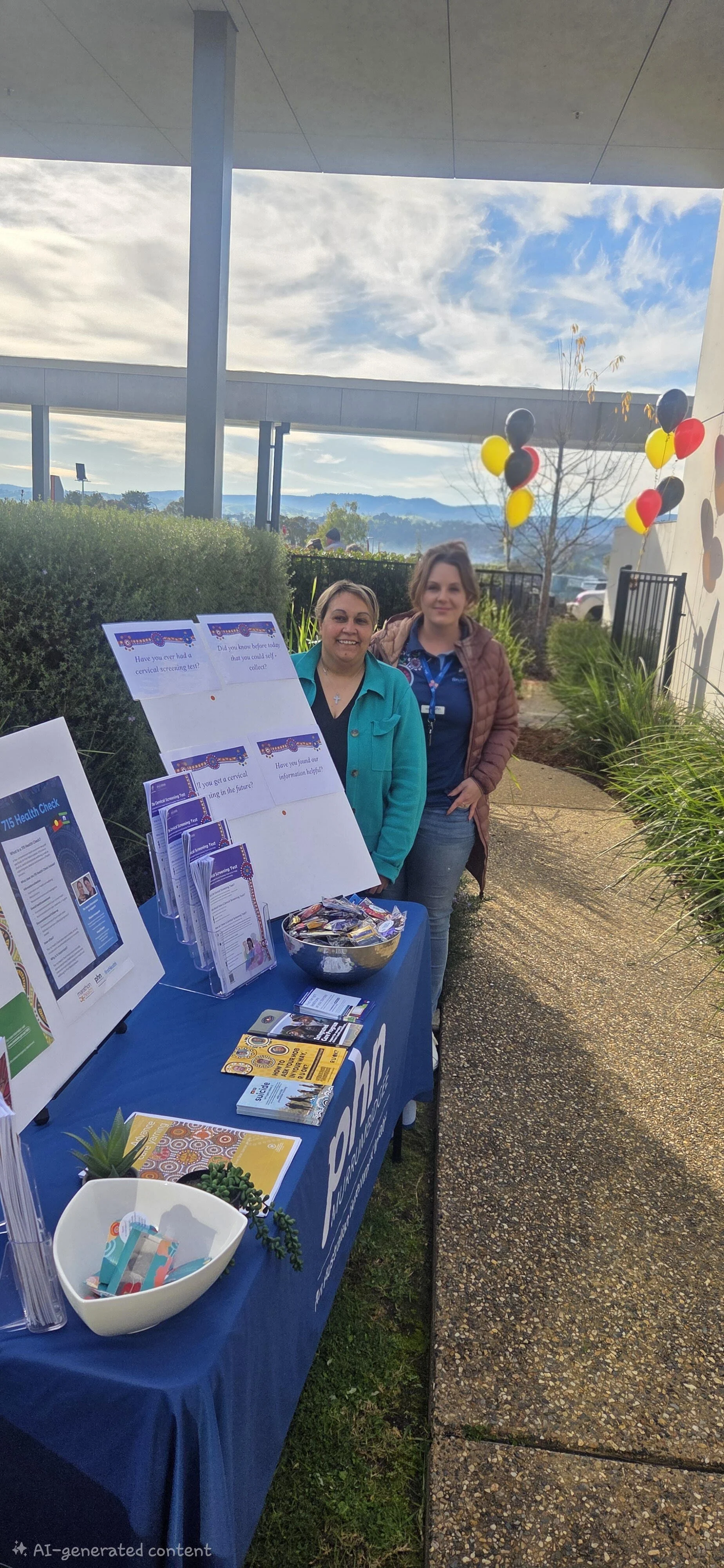
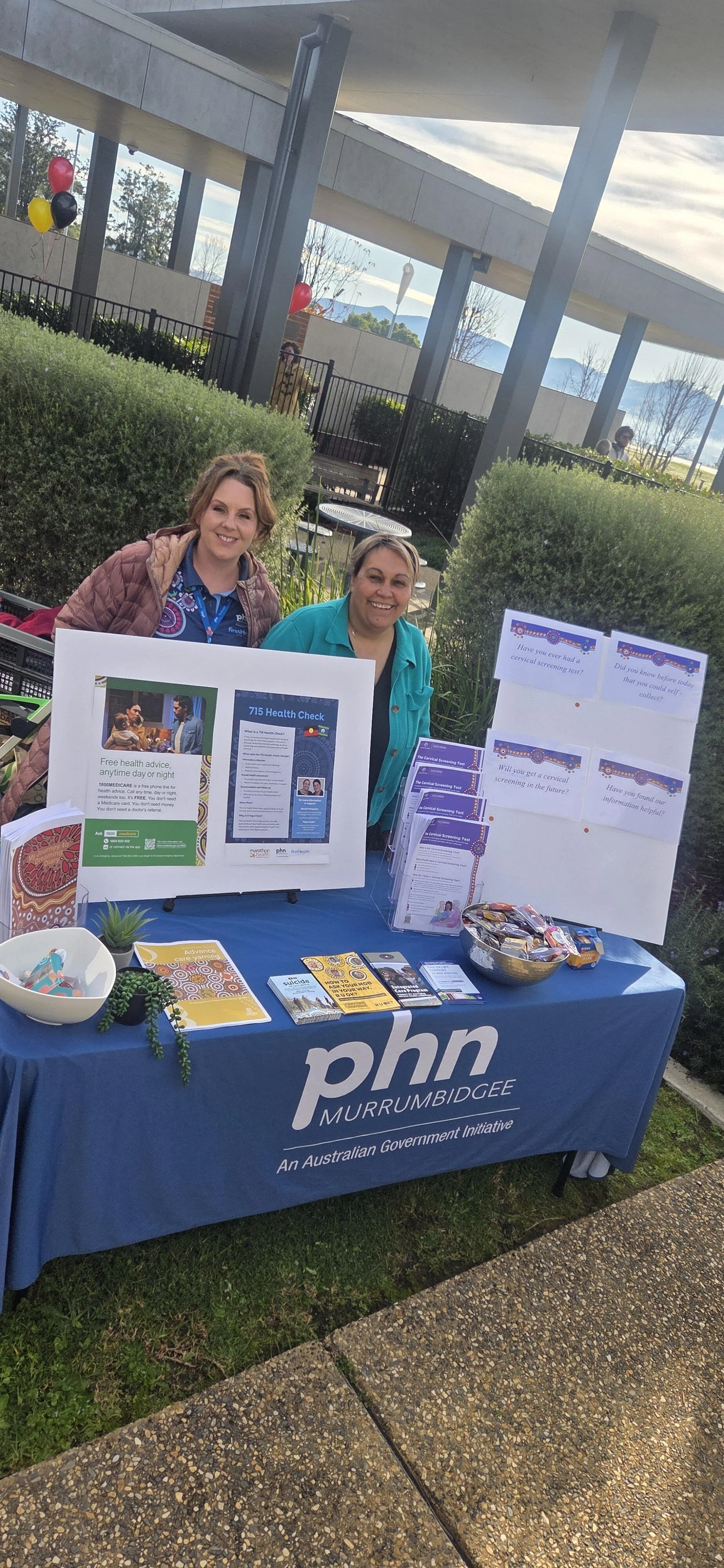
Sometimes improving access to healthcare starts with taking the conversation outside the health system.
During NAIDOC Week, Murrumbidgee Primary Health Network’s (MPHN) Aboriginal Health and Wellbeing Manager Maxine Little and Primary Health Care Engagement Officer Erin Godwin spoke with Aboriginal and Torres Strait Islander women at community events about cervical screening – what they knew, what stopped women from screening and whether the option to self-collect could make a difference.
Across events at RivMed, Wagga Wagga Base Hospital and Tumut, they engaged with 225 people and surveyed 112 women. The conversations and surveys revealed consistent barriers included embarrassment, pain and a lack of access to female doctors.
Awareness of self-collection differed markedly across communities, with participant awareness ranging from 60% to 100% across the various locations.
Self-collection gives eligible women greater choice and control over cervical screening, which is particularly important when cultural considerations around women’s business, privacy and access to female health professionals may affect whether someone chooses to screen.
For Ms Little, the survey findings reinforced the importance of providing health information in places where people already feel comfortable.
“If they don’t know about screening and self-collection, then it’s not being seen and it’s not being heard,” she said. “It’s being able to have those safe conversations.”
The response was encouraging. Almost all survey participants indicated they intended to screen in the future, while every participant said the information provided had been helpful.
For MPHN, the engagement demonstrated the value of bringing health information into community, listening to the barriers people identify and giving people the knowledge to make informed decisions about their own health.