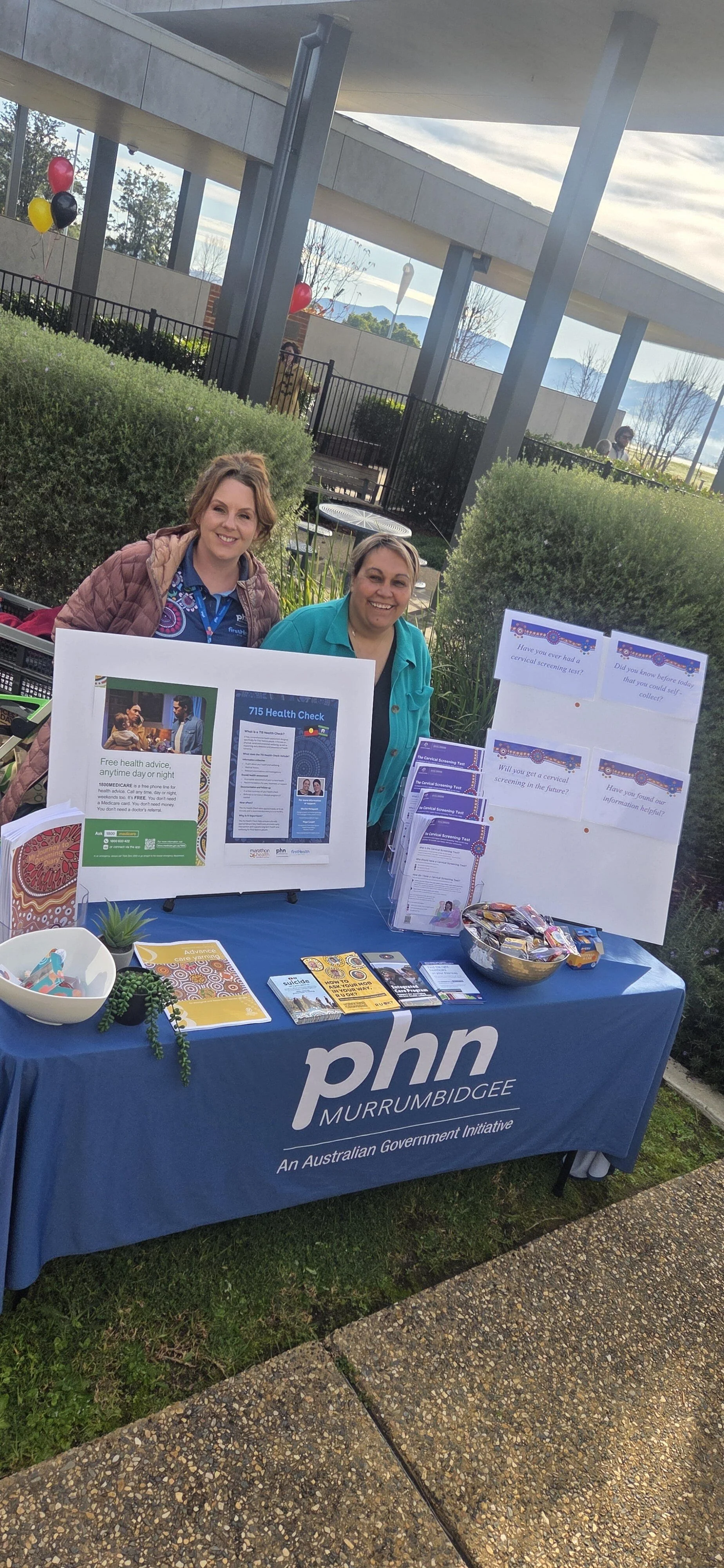
Taking the conversation to community
During NAIDOC Week, MPHN’s Aboriginal Health and Wellbeing Manager Maxine Little and Primary Care Nurse and Clinical Programs Manager Erin Godwin spoke with Aboriginal and Torres Strait Islander women at community events about cervical screening – what they knew, what stopped women from screening and whether the option to self-collect could make a difference.

Building better health checks through stronger relationships
A regular health check can help identify health concerns early, but for Aboriginal and Torres Strait Islander people, getting through the door is only part of the equation. Feeling culturally safe, welcomed and understood matters too.
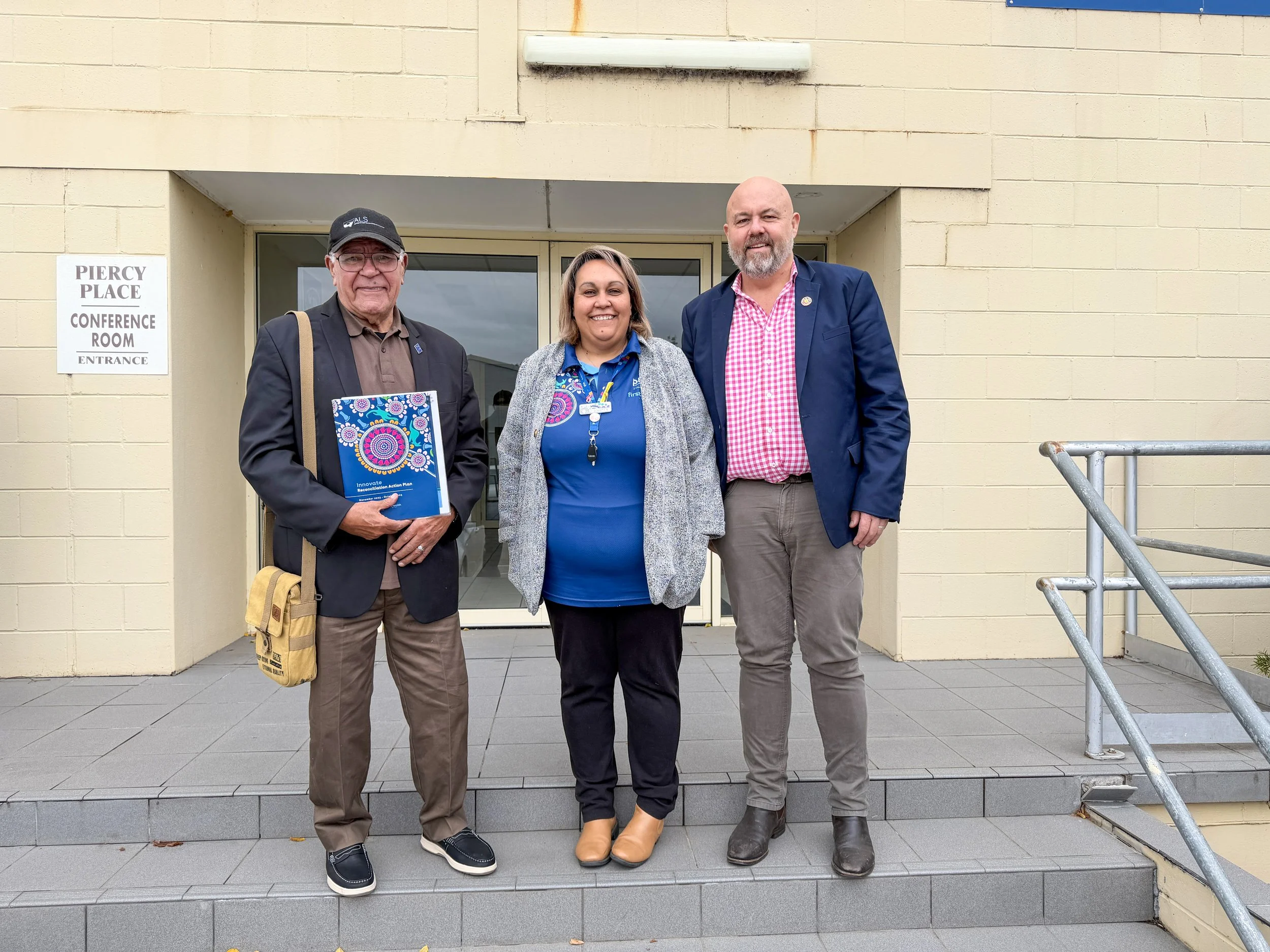
Walan Voices brings First Nations perspectives to the table
In 2025-2026 Walan Voices for Health was established to give local Elders and First Nations community members a direct avenue to advise MPHN on issues affecting Aboriginal and Torres Strait Islander communities.
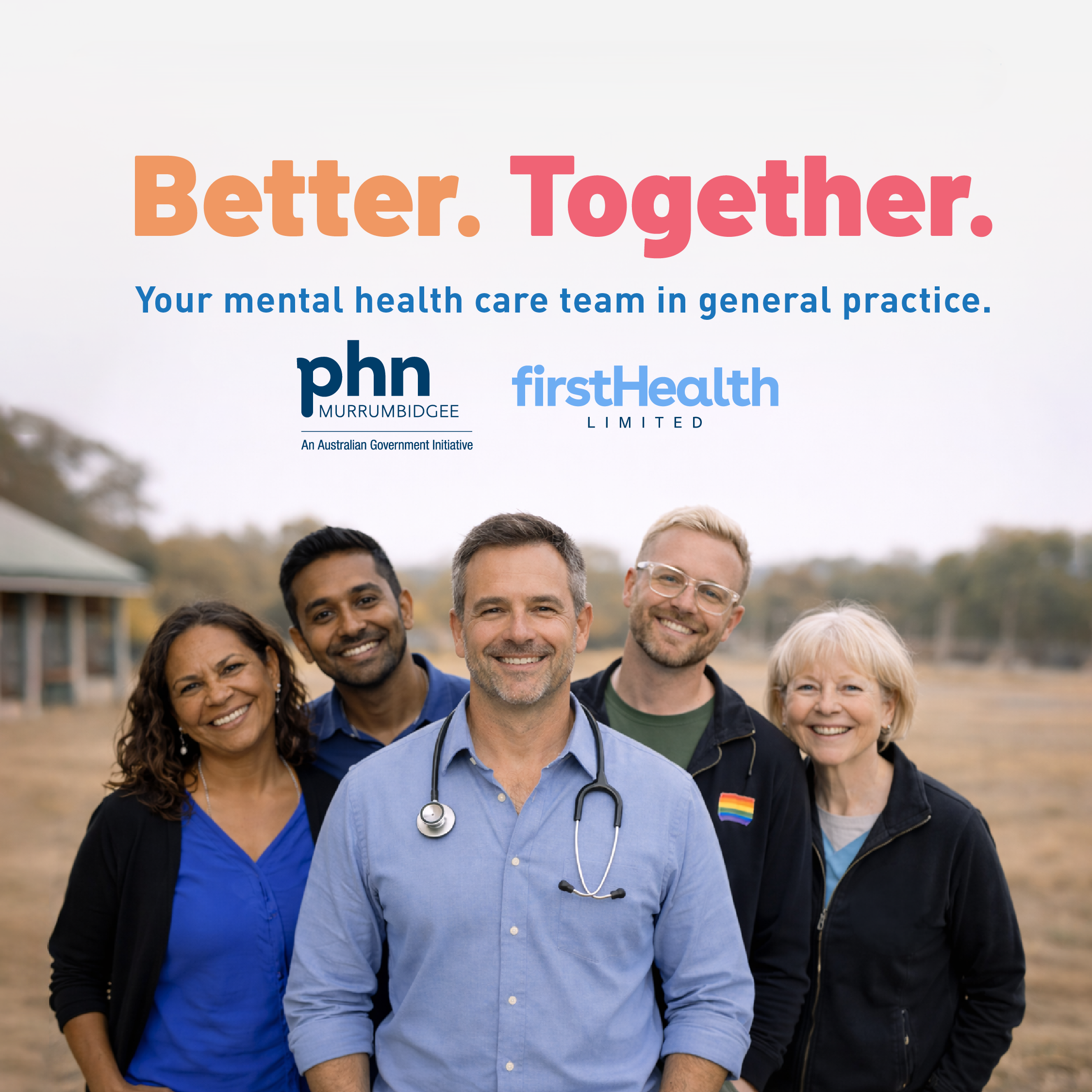
Better. Together. takes mental health care closer to home
A major investment secured during 2025-26 will transform how people with severe and complex mental health needs can access care across the Murrumbidgee. Better. Together. builds on MPHN’s Mental Health Nurse-led model and subsequent Team Care pilot, using what was learned to create a larger multidisciplinary model embedded within general practice.
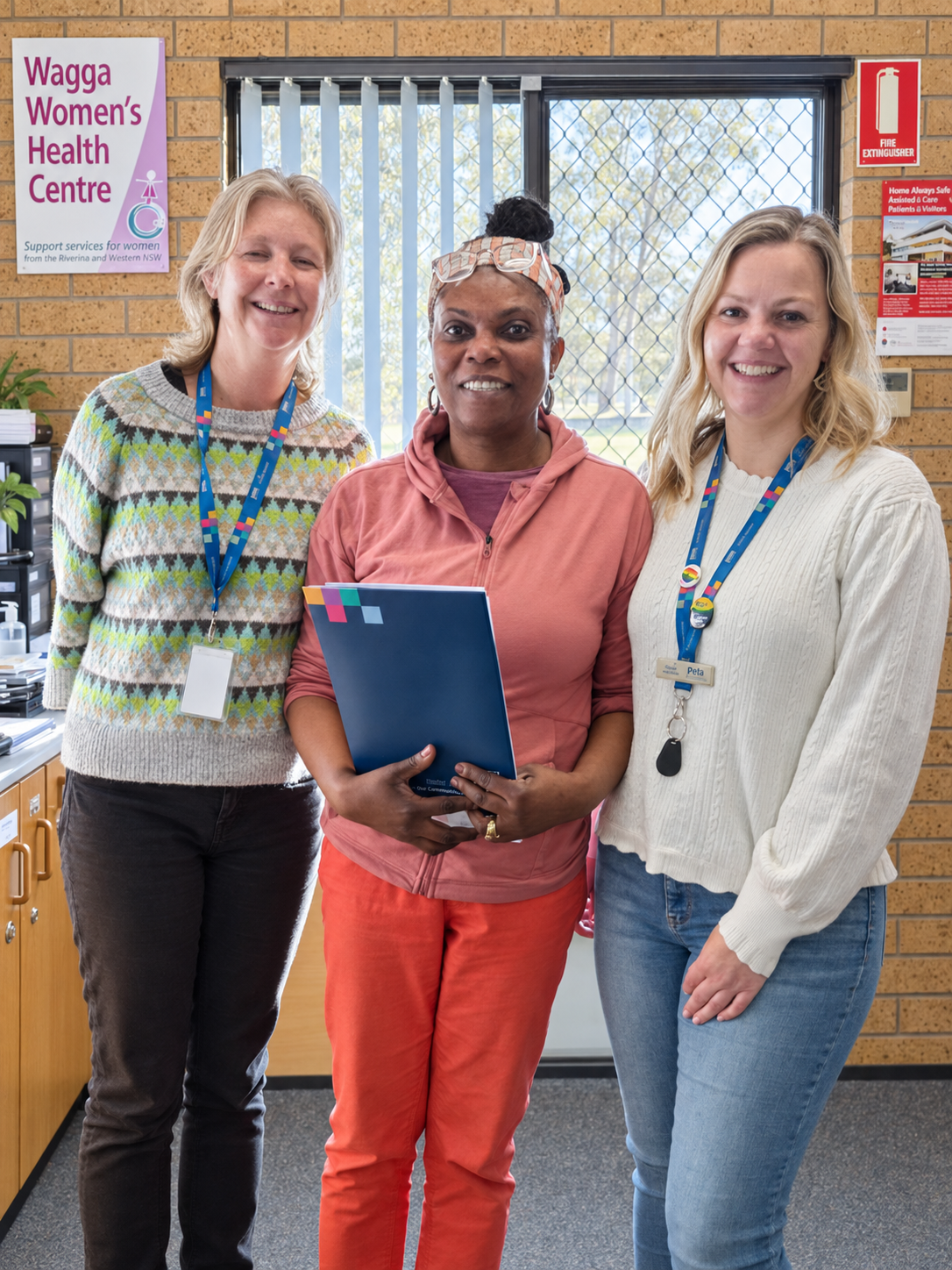
Local solutions to rural aged care challenges
When the first solution doesn’t work, sometimes the answer is to go back to the very people the solution is trying to help. During 2025-2026, MPHN did exactly that to improve primary care access for older people living in residential aged care homes in some of the Murrumbidgee’s thinnest healthcare markets.
More ways to reach people when they need support most
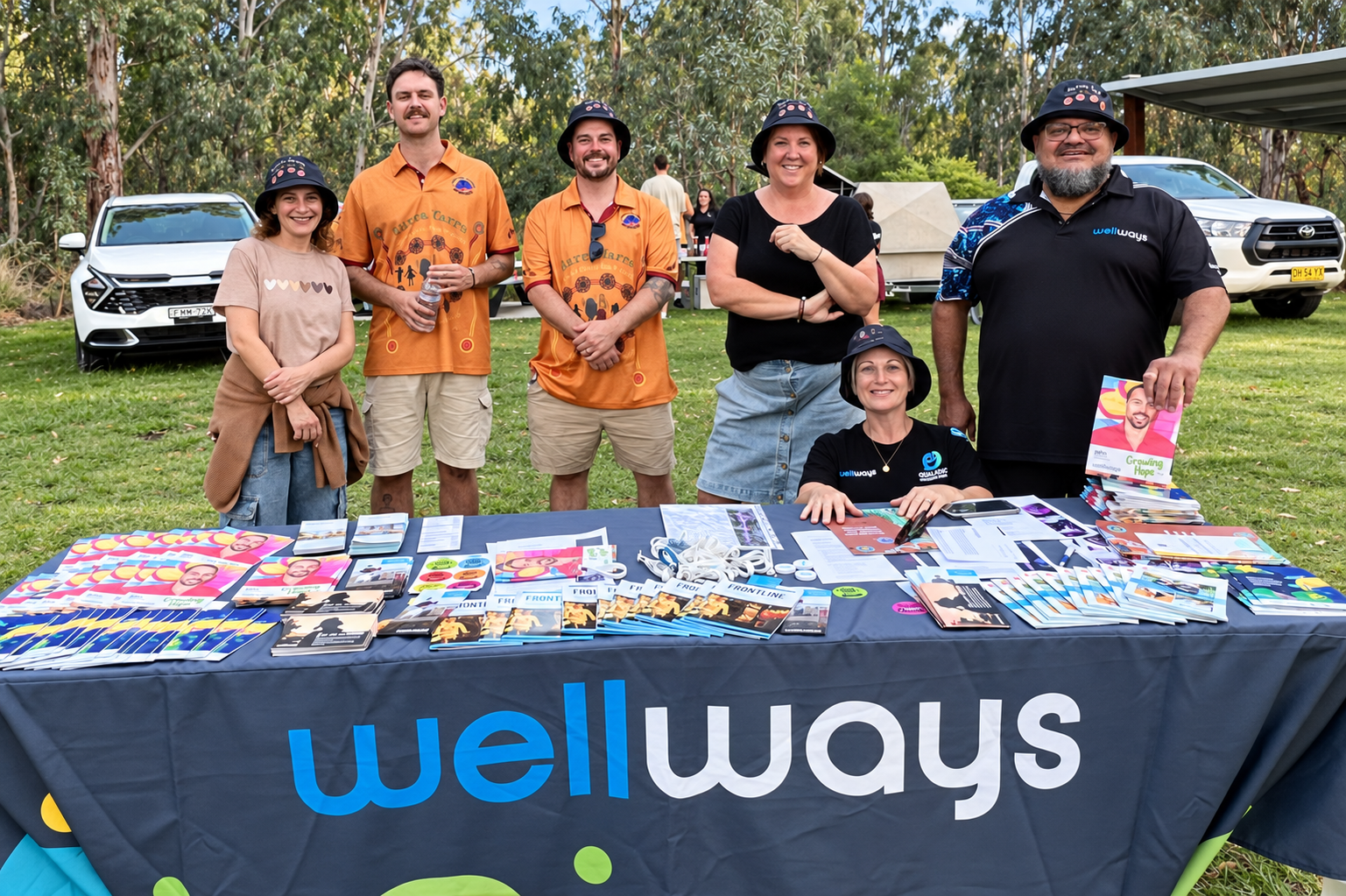
In 2025-2026 MPHN expanded its Universal Aftercare service. While aftercare support has existed in the Murrumbidgee for several years, people typically needed to come into contact with Local Health District clinical mental health services to access it. Yet many people experiencing suicidal thoughts or following an attempt never present to hospital or specialist mental health services.
Community-led action on suicide prevention
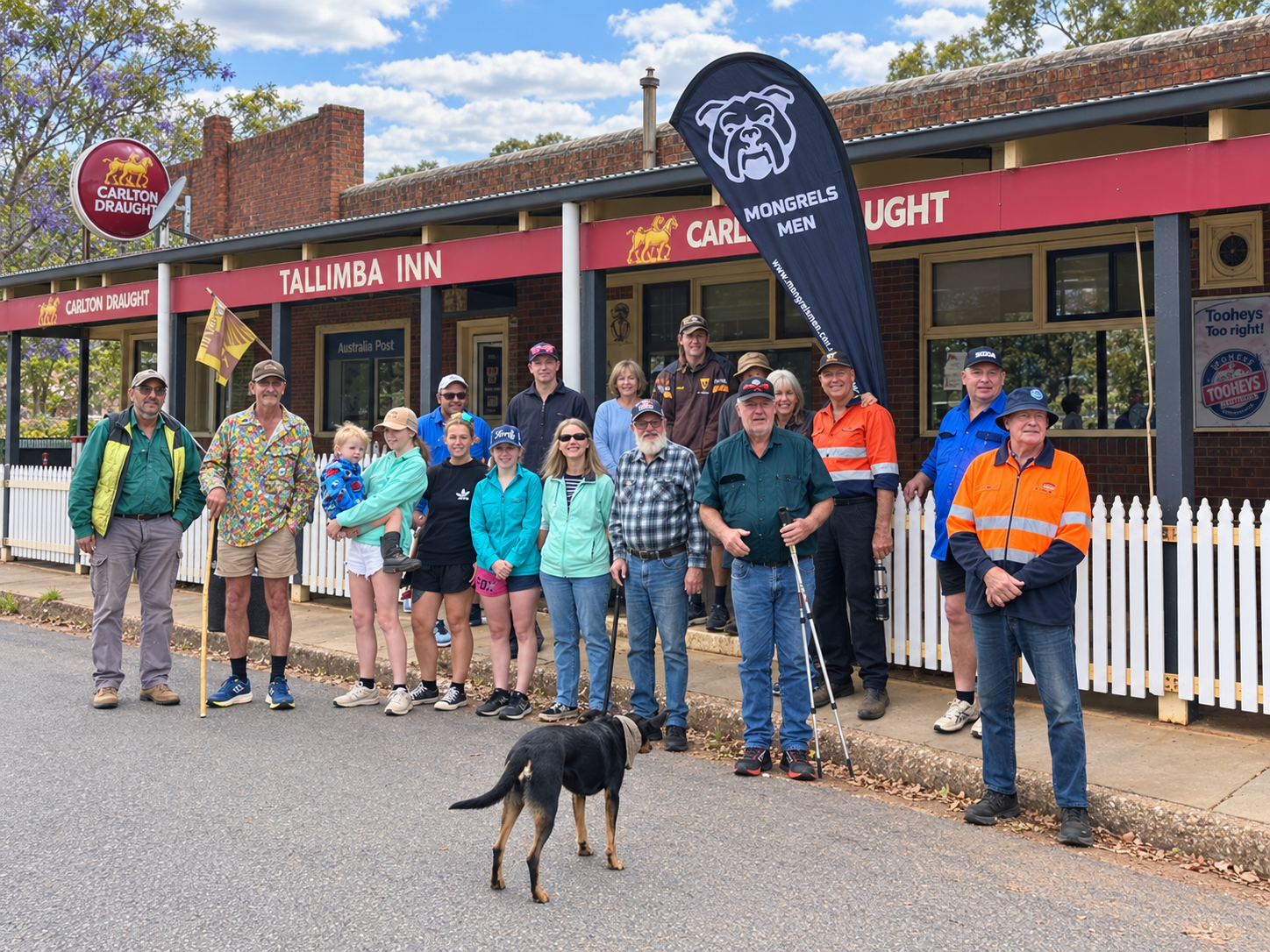
What strengthens mental wellbeing and suicide prevention in a school community can look very different to what works for farmers, sporting clubs or people living in a small rural town. That understanding was at the heart of MPHN’s Community Wellbeing and Suicide Prevention Grants in 2025-2026.
Building suicide prevention capability where people live and work
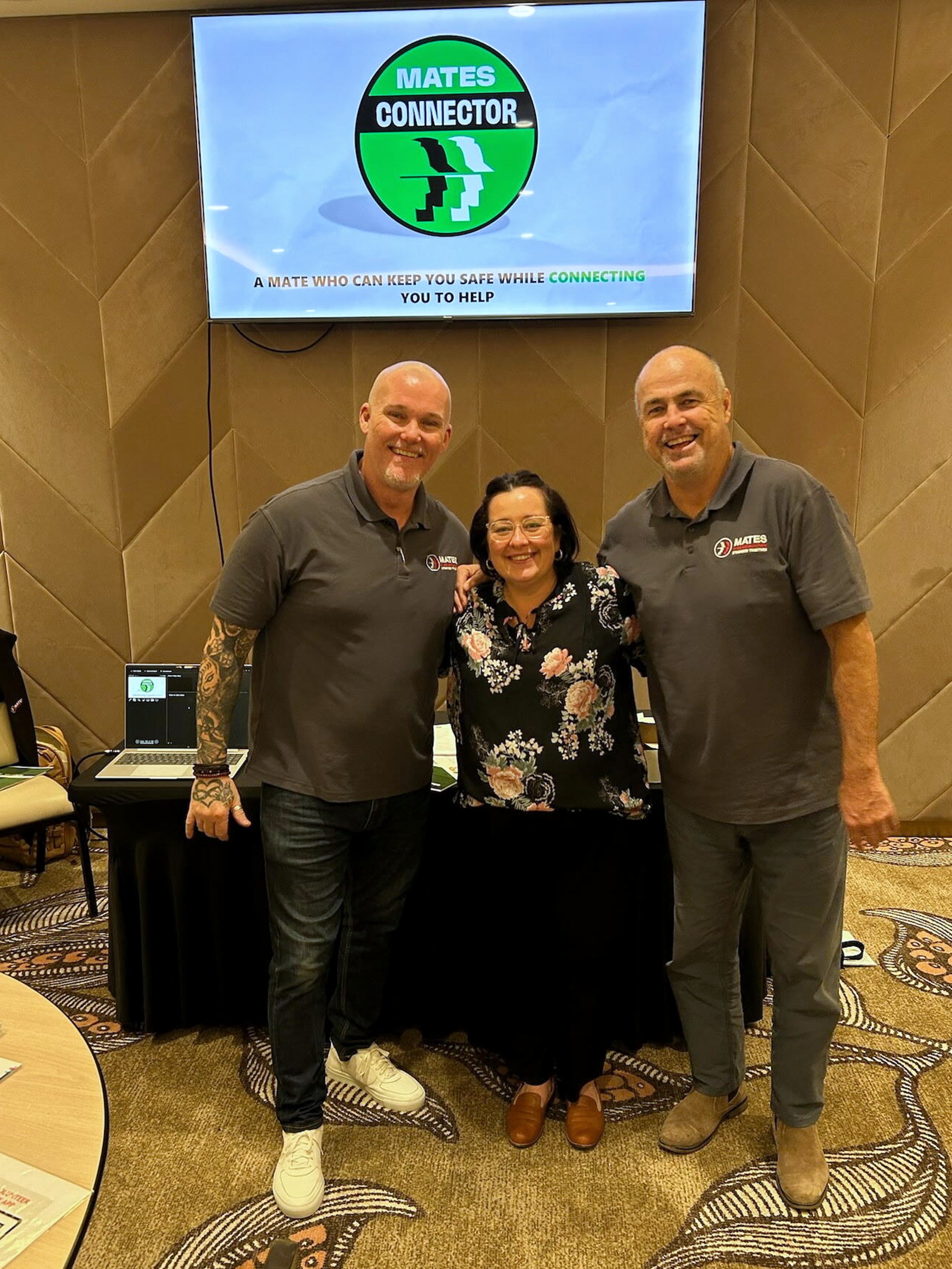
Sometimes the person who notices someone is struggling is not a mental health professional. It might be a pharmacist, workmate, teacher or community worker. During 2025-2026, Murrumbidgee Primary Health Network (MPHN) used Targeted Regional Initiatives for Suicide Prevention (TRISP) funding to take suicide prevention training into the places where people already live, work and connect.
After Suicide Support Program
For people bereaved by suicide, support can mean many different things, including having someone beside you when returning to everyday life feels overwhelming. The Murrumbidgee After Suicide Support Program (ASSP), delivered by Wellways, provides compassionate, practical and tailored support to individuals, families and communities impacted by suicide.
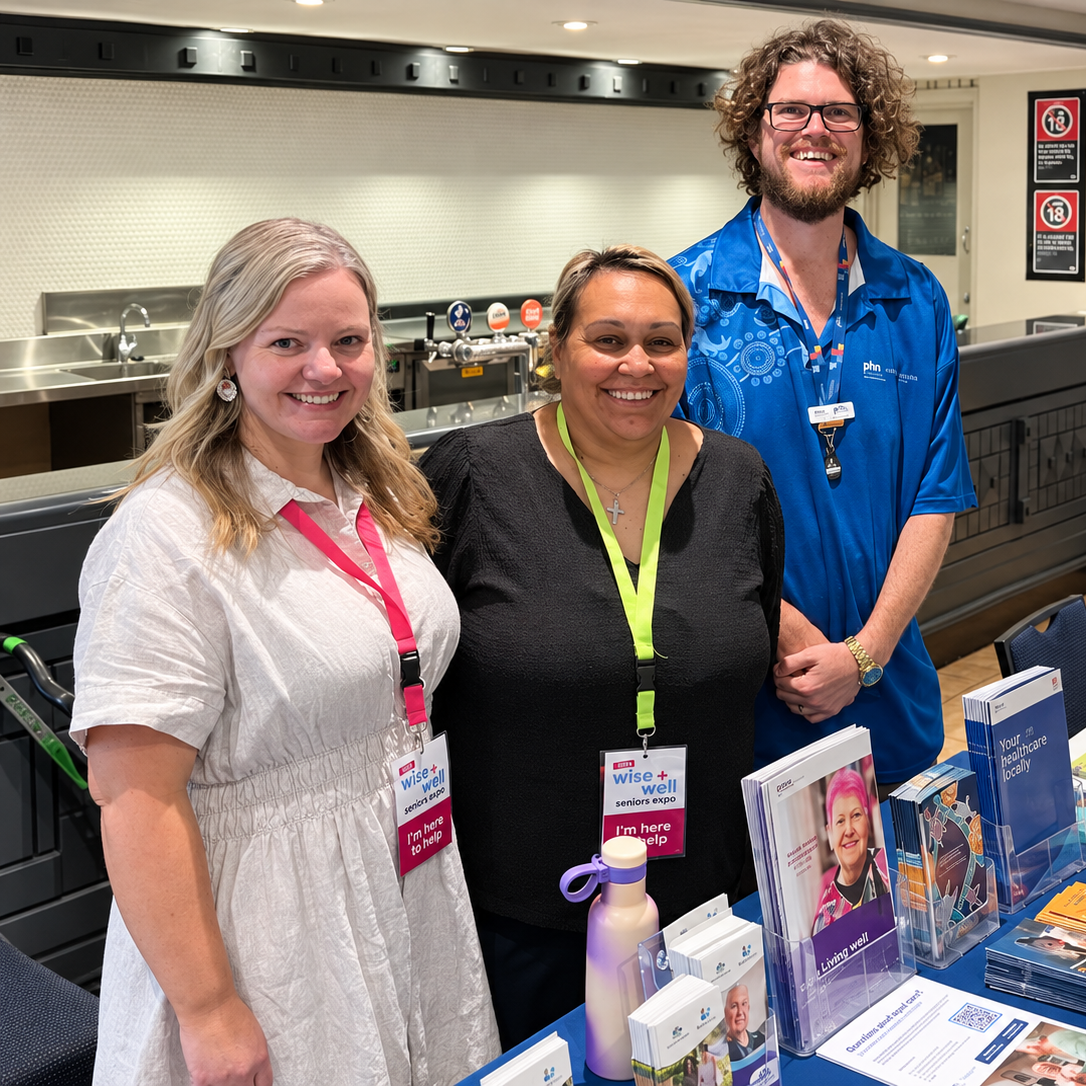
Wise + Well puts information within reach
Navigating aged care and finding the right health and community supports can be challenging. The 2026 Wise + Well Seniors Expo made that process a little easier by bringing information, services and people together under one roof.
Summer Smart helps Murrumbidgee prepare for extreme conditions
In 2025–2026, MPHN brought health, preparedness and emergency information together through Murrumbidgee Summer Smart.
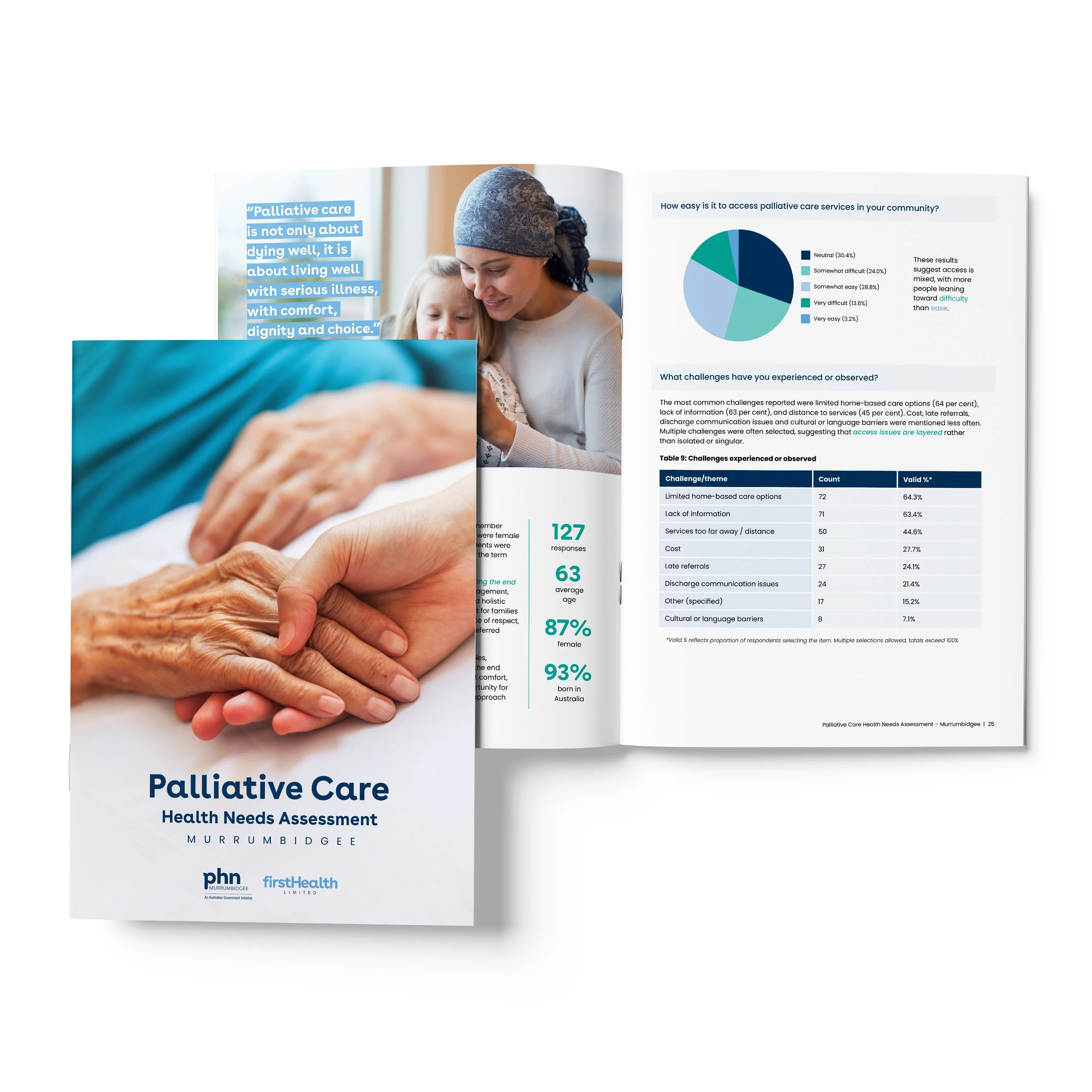
Earlier conversations, better choices
Palliative care is about much more than a person’s final days. Yet a comprehensive new Health Needs Assessment (HNA) developed by MPHN in 2025-2026 has found that across the Murrumbidgee, it is still commonly understood as care provided only when someone is approaching death.
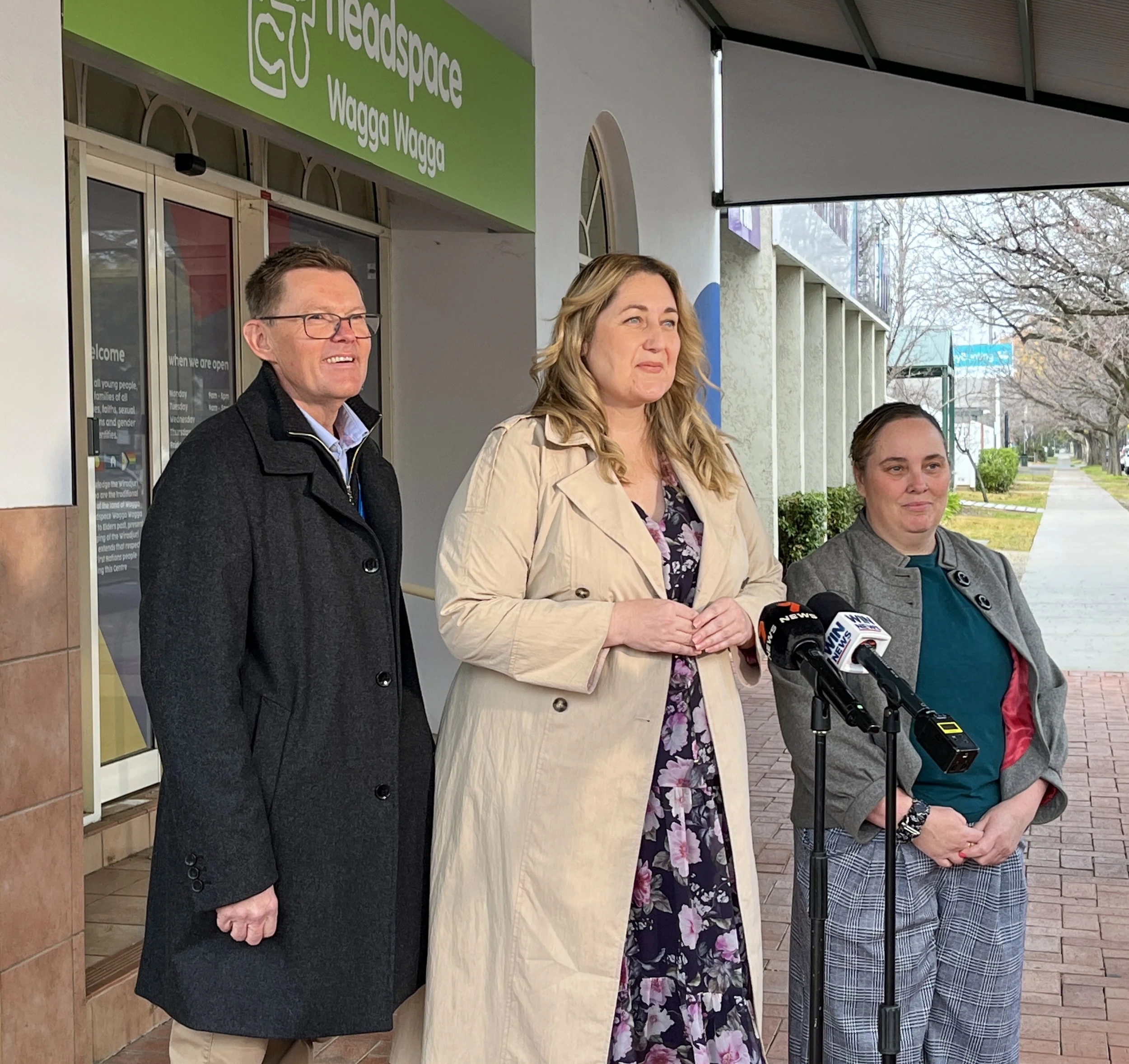
Growing support for young people, closer to home
For young people experiencing mental health challenges, access to the right support, close to home, can make a significant difference. headspace Wagga Wagga and headspace Griffith provide free, youth-friendly services for people aged 12 to 25, supporting their mental health and wellbeing alongside physical health, alcohol and other drug concerns, and work and study needs.
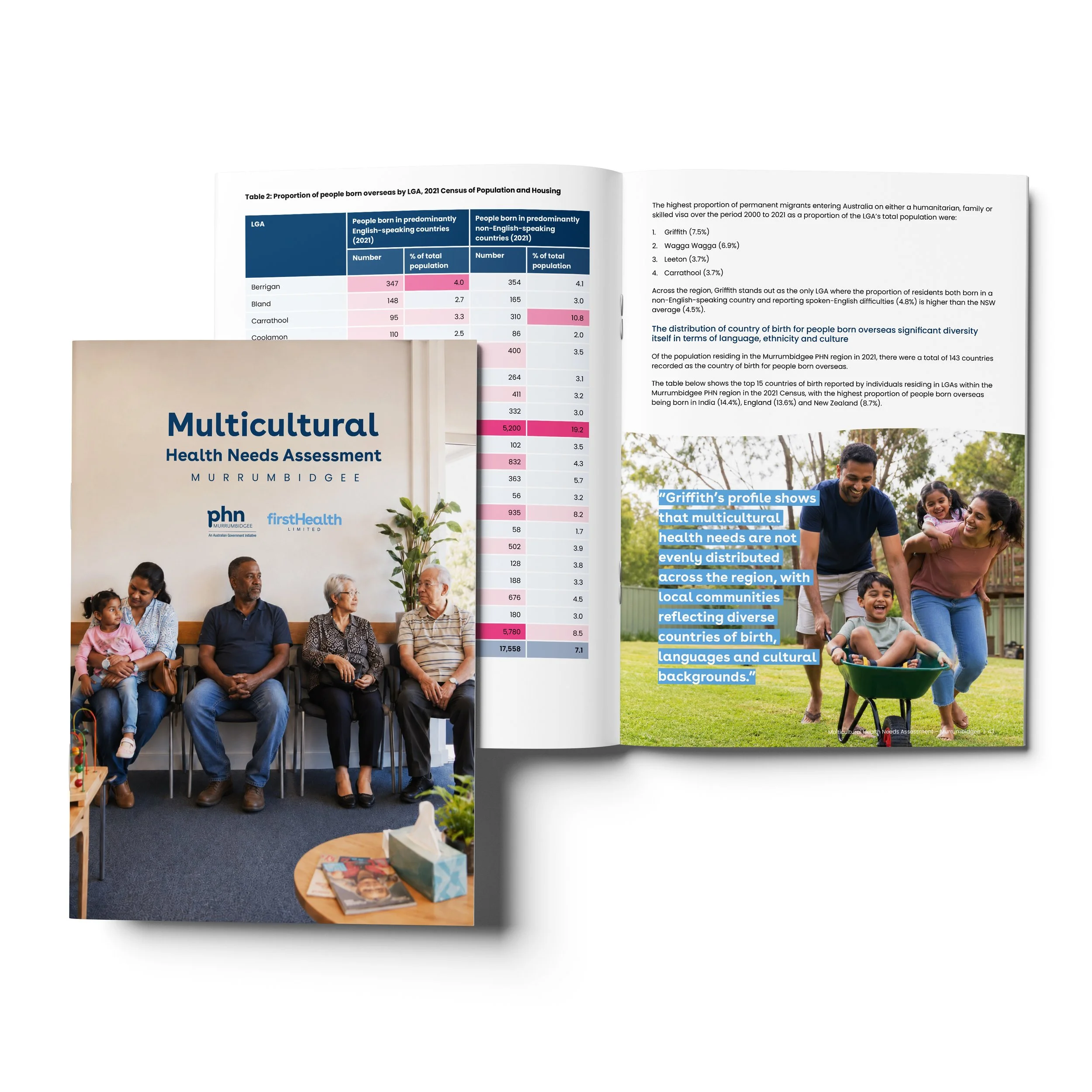
Listening first to build better access to healthcare
Almost one in five people in the Murrumbidgee was born outside Australia. But behind that statistic sits an extraordinarily diverse community, including refugees, skilled migrants, international students, seasonal workers and families who have called the region home for generations.
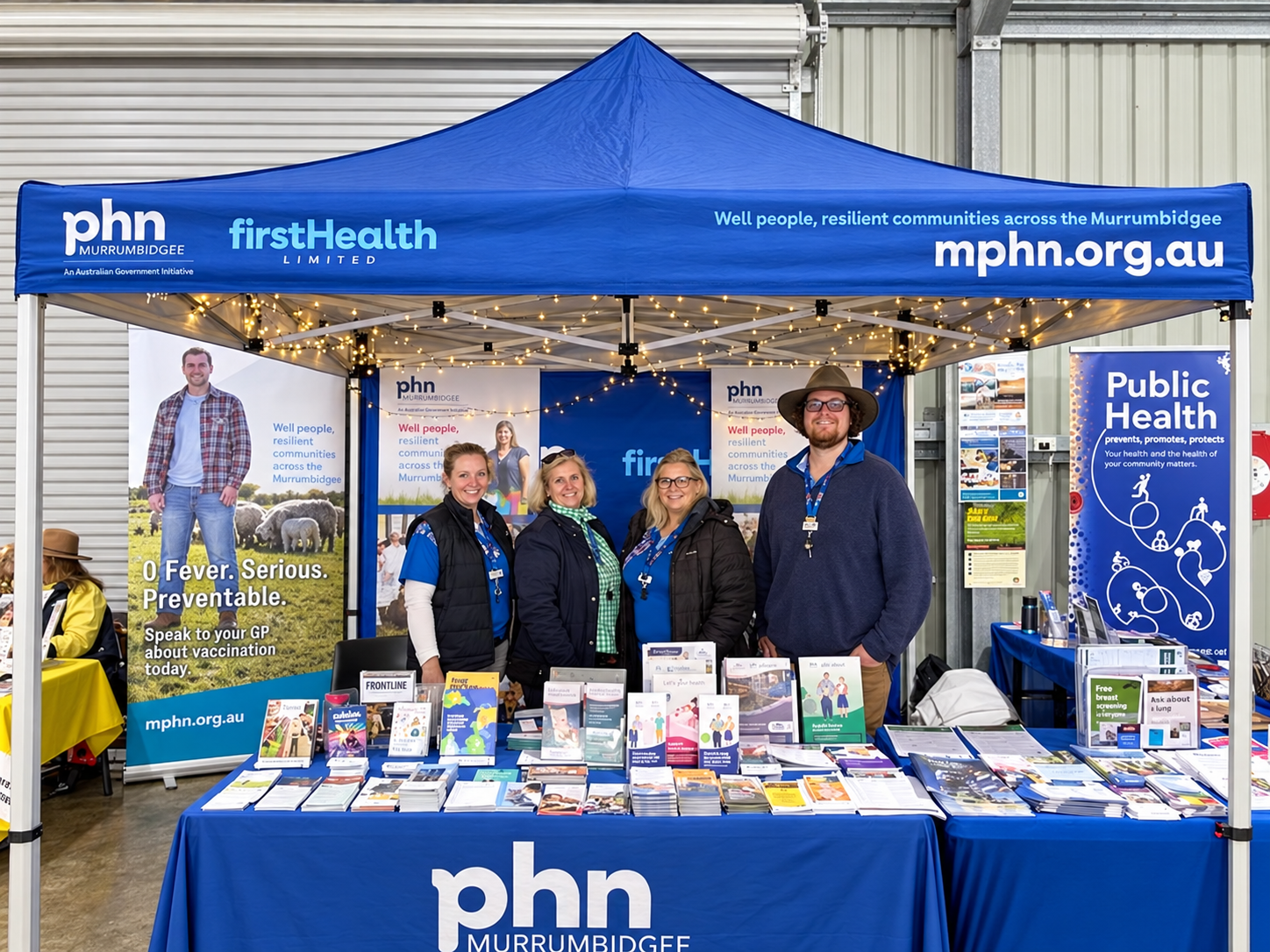
Taking health information to Henty
At the Henty Machinery Field Days, MPHN took an extended range of health information directly to people from across the region.
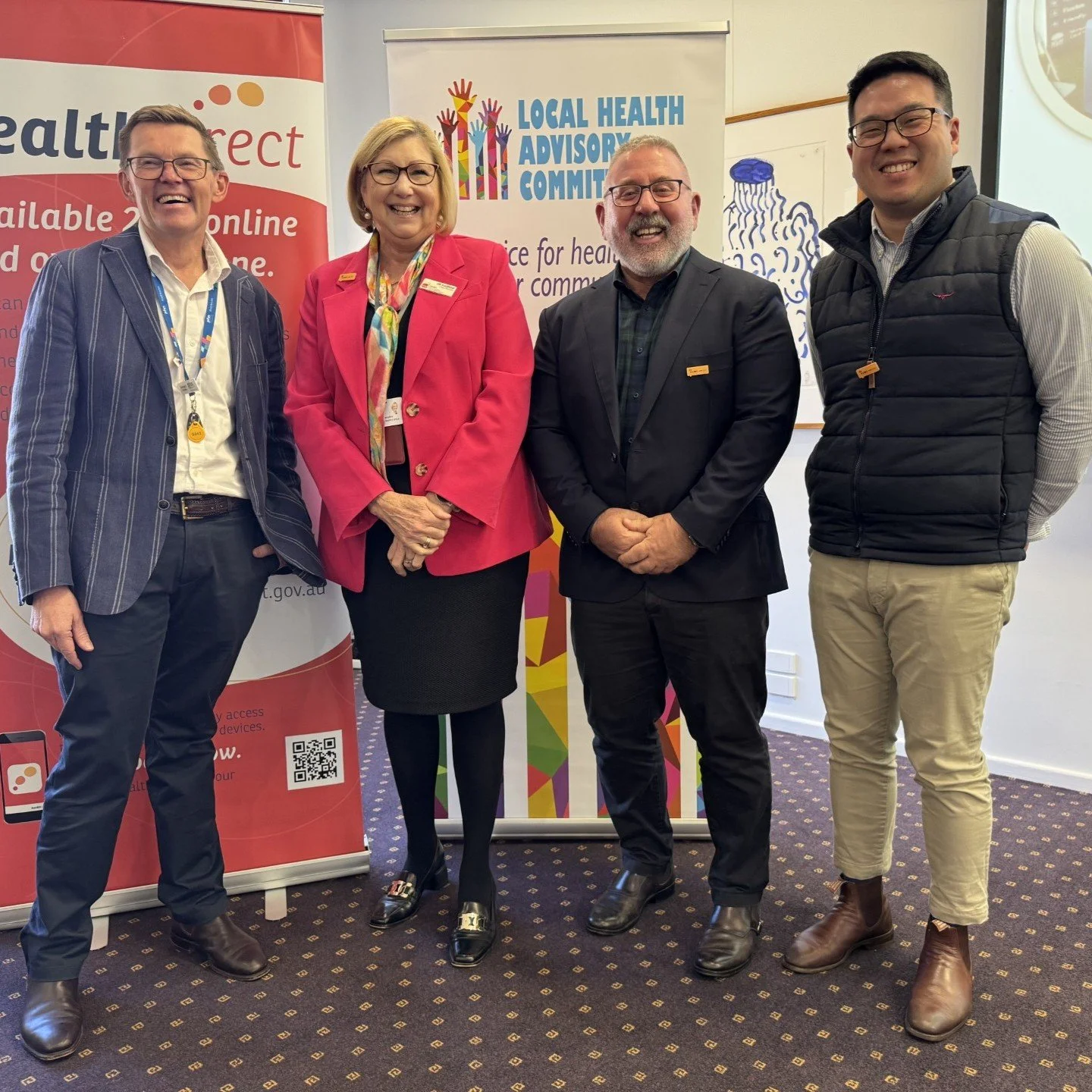
Healthdirect: building confidence in virtual care
Virtual healthcare continues to help Murrumbidgee residents access the right care when and where they need it. MPHN strengthened its partnership with healthdirect Australia and Murrumbidgee Local Health District (MLHD) to increase awareness and use of virtual care across the region.
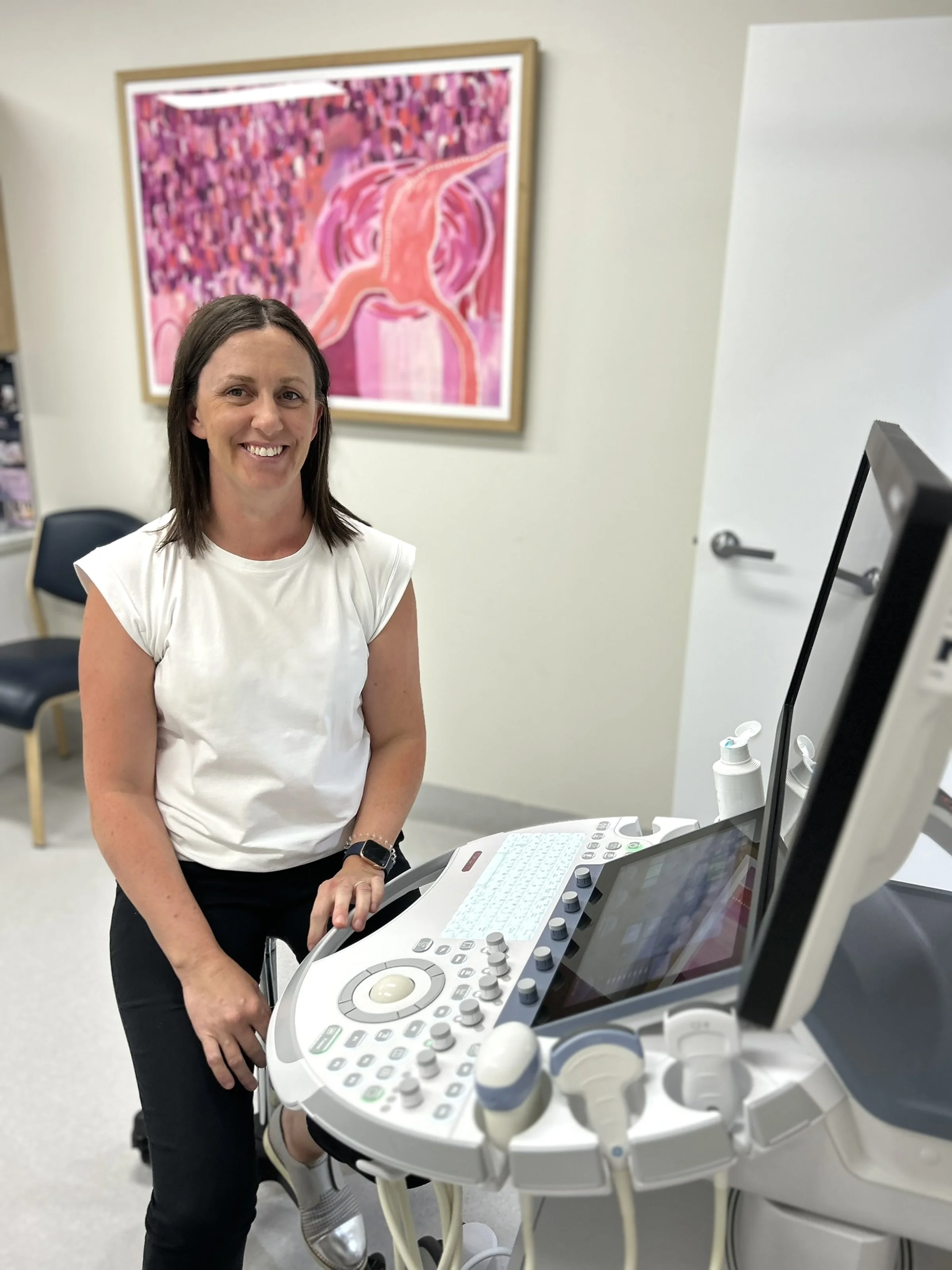
Bringing specialist women’s healthcare closer to home
For women living with endometriosis and persistent pelvic pain, accessing specialist care can be a long and difficult journey. In the Murrumbidgee, it previously also meant leaving the region. That changed in March 2026 with the opening of the Endometriosis and Pelvic Pain Clinic at Nova Health Co in Wagga Wagga – the Murrumbidgee’s first dedicated service of its kind.

Connecting people with the right mental health support
During 2025-26, Medicare Mental Health supports continued to strengthen across the Murrumbidgee, providing more accessible pathways into care and helping people navigate an often-complex service system.
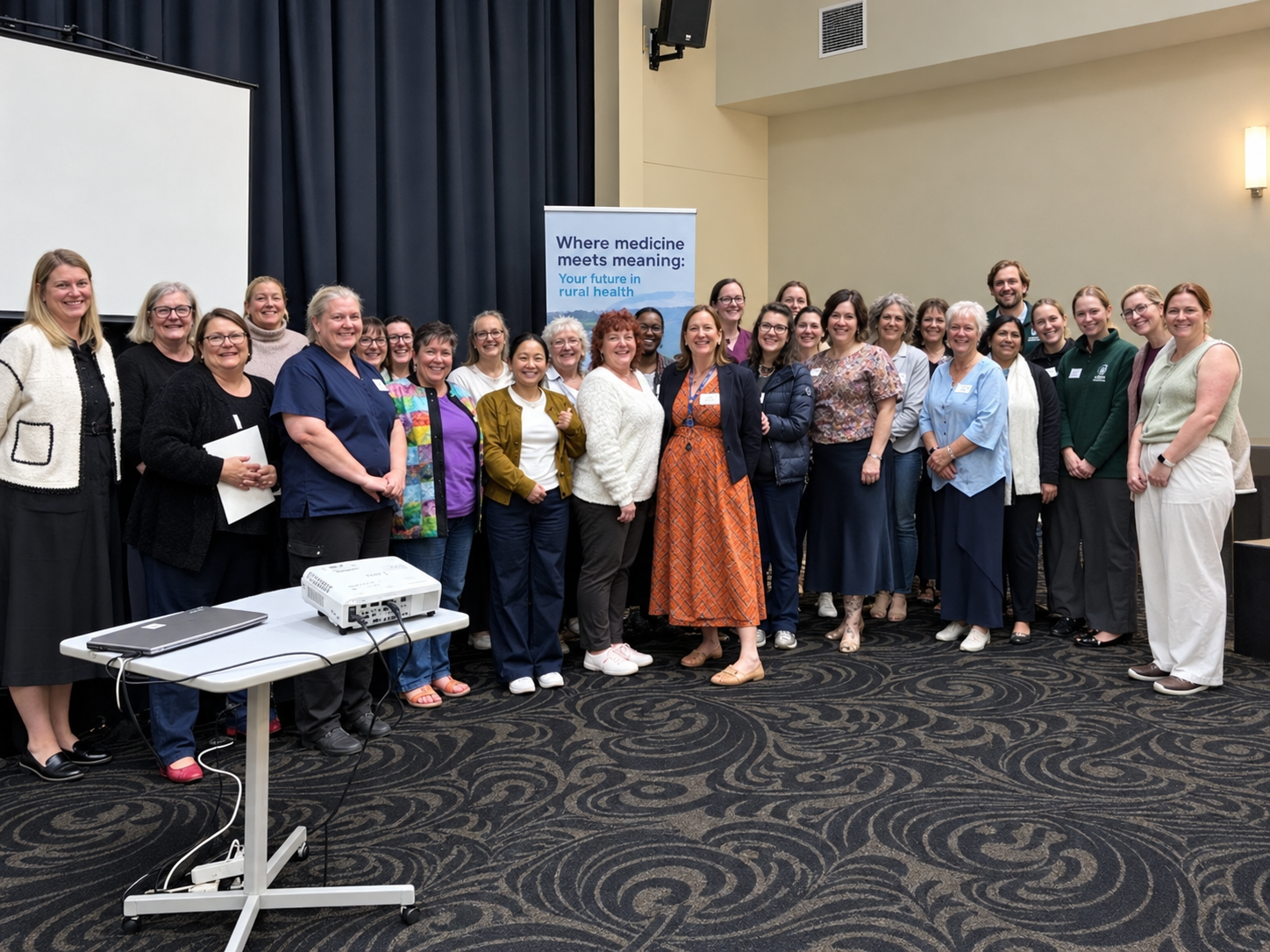
Riverina Community of Practice event shapes dementia support
As part of the Riverina Community of Practice professional development series, MPHN hosted a session in Young in April 2026, focussing on supporting health professionals to identify dementia earlier and connect people with appropriate care.
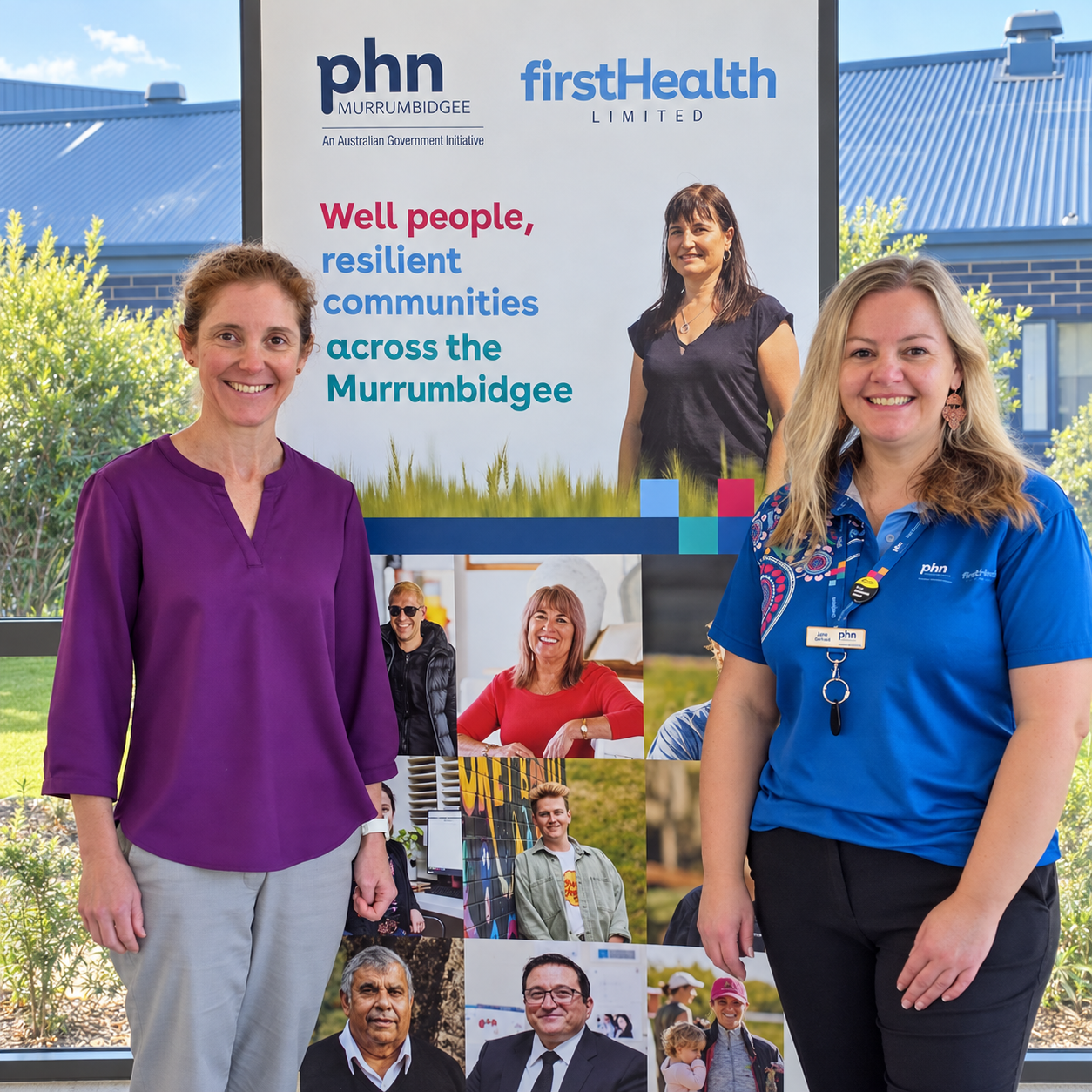
Challenging how we think about ageing
Ageism can be easy to overlook. It can appear in the language people use, assumptions about what an older person can do, or decisions made about their healthcare without genuinely hearing their voice.