First Nations health and cultural safety
Walking side by side
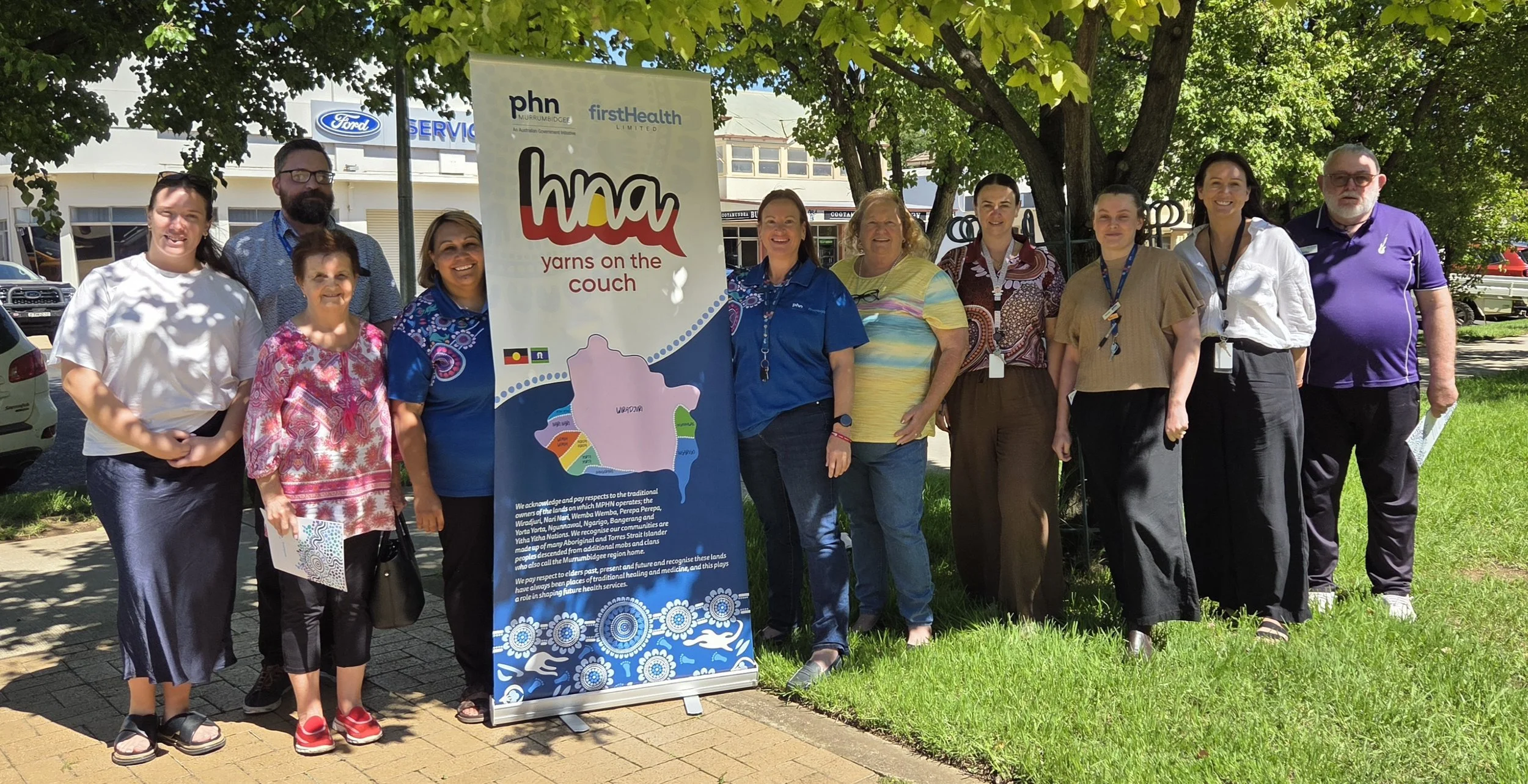
Improving First Nations health starts with listening.
Across 2025-2026, MPHN continued to strengthen the way it works with Aboriginal and Torres Strait Islander peoples, embedding cultural safety, community voice and stronger relationships across its approach to primary healthcare.
Central to this is recognising that meaningful change cannot be designed from a distance. It requires being present in communities, listening to Elders and community members, understanding the barriers people experience, and working together to develop responses that are culturally appropriate and grounded in local experience.
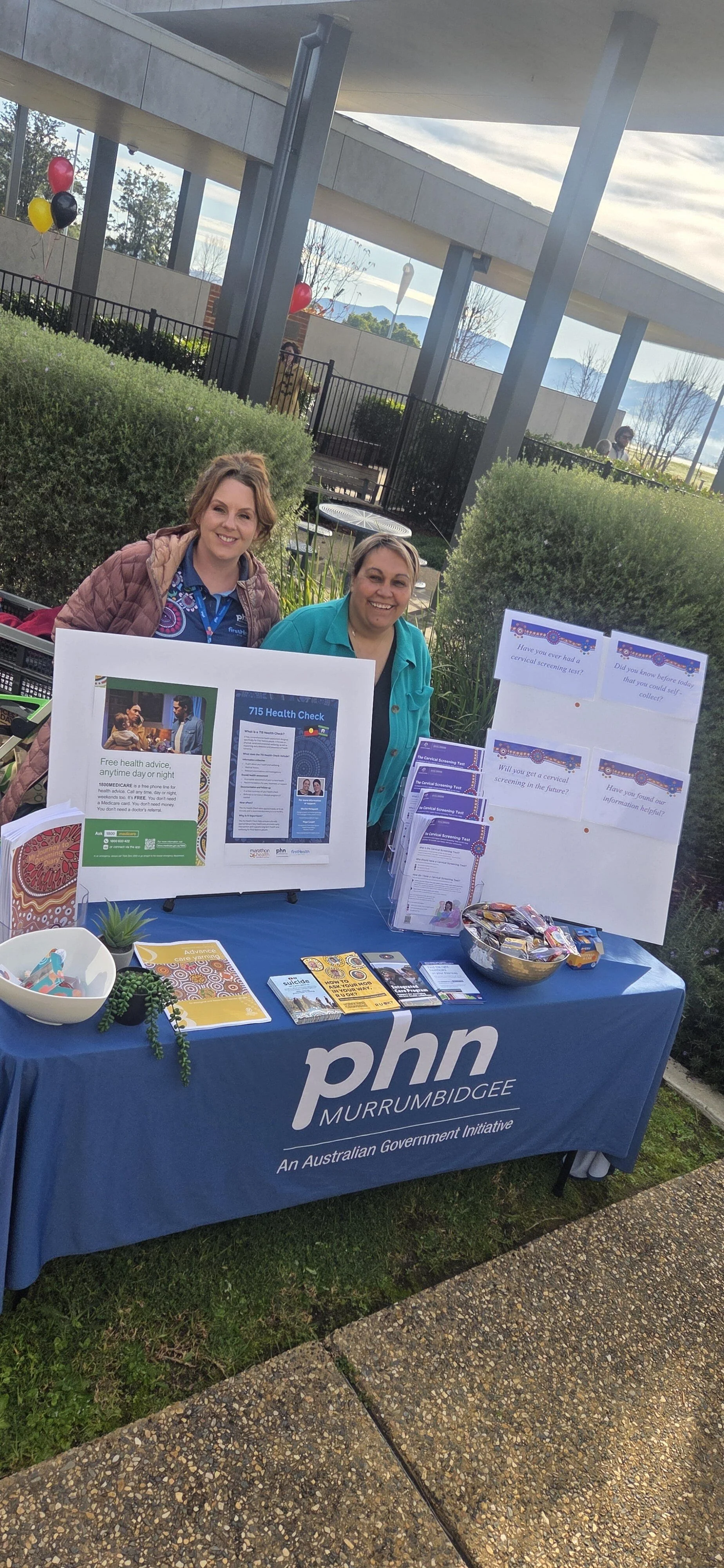
During the year, that approach could be seen at different levels, from establishing Walan Voices for Health to bringing a dedicated First Nations lens to MPHN’s planning and decision-making, to conversations with women about cervical screening, and working with mainstream general practices to strengthen cultural safety and promote 715 Health Checks.
Together, these initiatives reflect a broader commitment: listen first, build trust and work side by side with First Nations communities to turn what is heard into meaningful action.

Building a stronger First Nations health workforce
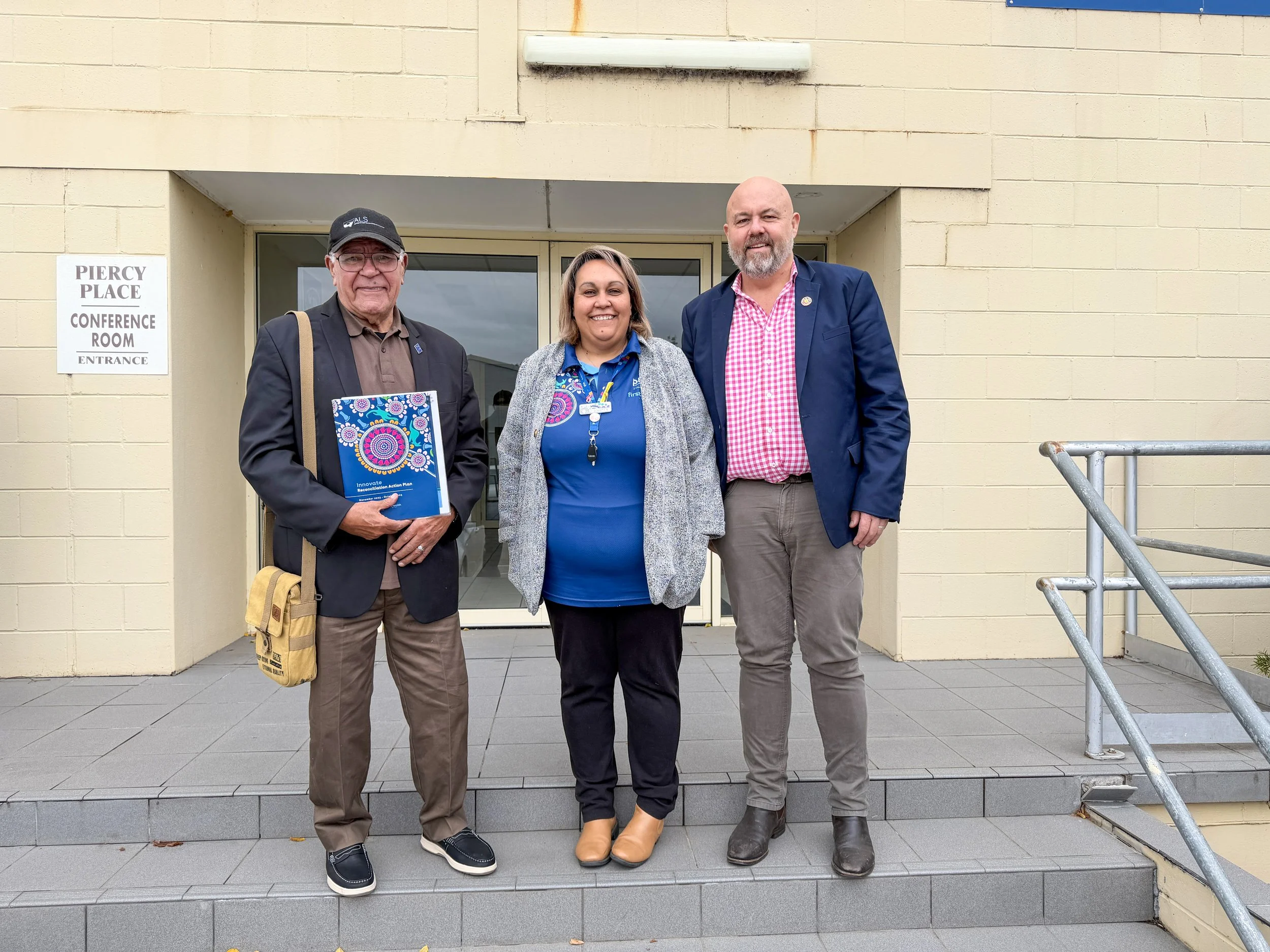
During 2025–26, Murrumbidgee Primary Health Network (MPHN) continued advocating for a stronger Aboriginal and Torres Strait Islander health workforce, working with community, health services, Aboriginal Medical Services and TAFE to explore pathways into healthcare.
A particular focus was increasing awareness of the role Aboriginal Health Practitioners can play in mainstream general practice.
“Having that cultural expertise as an Aboriginal Health Practitioner in mainstream services is vital,” MPHN Aboriginal Health and Wellbeing Manager Maxine Little said.
Beyond supporting initiatives such as 715 Health Checks, the longer-term aim is to promote the benefits and scope of Aboriginal and Torres Strait Islander health professionals in mainstream primary care and beyond.