Murrumbidgee Local Health District
MPHN works closely with Murrumbidgee Local Health District (MLHD) to strengthen health care across the region by improving coordination, identifying local needs, and supporting better access to services. Together, the two organisations collaborate on shared priorities, local initiatives and system improvement opportunities to help create a more connected, responsive and sustainable health system for people living in the Murrumbidgee.
Working together for healthier communities
MPHN and MLHD work together to strengthen healthcare across our region. By sharing local knowledge, planning together and aligning our efforts, we can better support people to access the right care, in the right place, at the right time. Our partnership helps create a more connected health system across the Murrumbidgee, with a shared focus on improving access, reducing fragmentation and delivering care that is better coordinated around the needs of communities.
Because MPHN and MLHD share the same geographic footprint, we are able to take a more joined-up approach to planning and service delivery across more than 250,000 people in 508 communities. This alignment supports stronger collaboration between primary care, community care and hospital services, helping us respond to local challenges with practical, place-based solutions. It also means we can work together on shared priorities, use local health intelligence more effectively and build services around the real experiences of patients, families and health professionals in our region.
What our partnership looks like
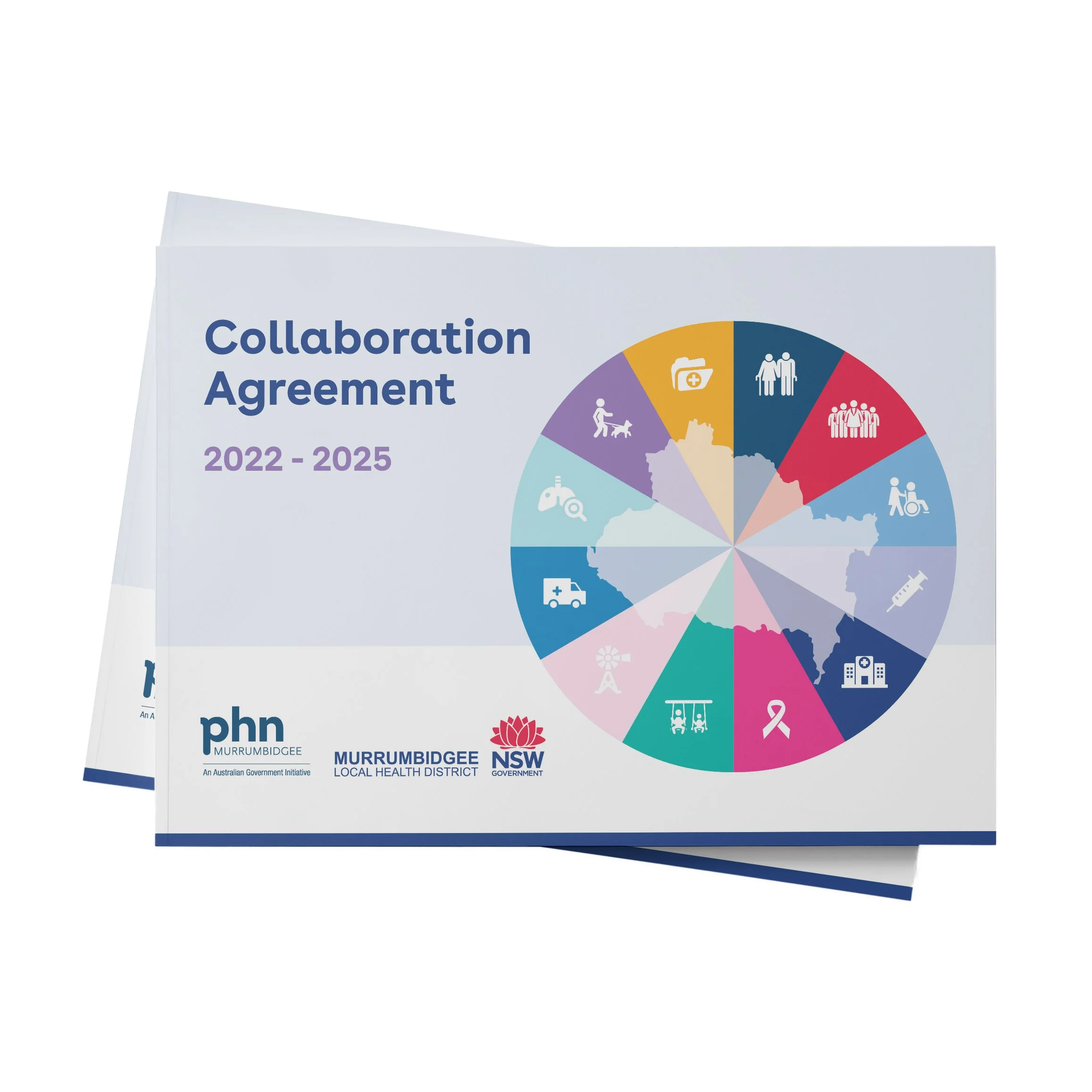
Our partnership is built on collaboration, shared governance and a commitment to improving health outcomes for local people. Through our joint collaboration agreement, MPHN and MLHD work together across integrated care pathways, workforce sustainability, joint planning and data sharing. This helps create a more sustainable health system and supports a more coordinated journey for people moving between different parts of care.
We also work alongside communities, clinicians and local leaders to make sure services reflect local needs. This includes input from Clinical Councils, Local Health Advisory Committees, the Community Advisory Committee, Conversations on the Couch and Yarns on the Couch. These structured engagement mechanisms help ensure that lived experience, frontline insight and community priorities shape the way services are designed and delivered across the Murrumbidgee.
Our shared commitment
MPHN and MLHD are committed to continuing this work together. By building on shared planning, local engagement and integrated service models, we can support a stronger, more sustainable health system for the Murrumbidgee and help ensure communities receive the care they need, when and where they need it.
What we are achieving together
Living Well, Your Way
Through Living Well, Your Way, MPHN and MLHD co-designed and co-commissioned support for people living with chronic conditions, including culturally tailored heart and lung rehabilitation and specialist outreach clinics in Western Riverina communities. Since 2022, the Living Well, Your Way Winter Strategy has also helped general practices identify and proactively support people at higher risk during winter. In 2025, 35 general practices took part, including many in the western region, supporting 833 high-risk patients through proactive, holistic care.
Supporting children and families earlier
Our jointly funded community paediatrician and Enhancing Paediatrics in Primary Care program is improving access to early developmental support in the first 2000 days of life, helping children and families receive support earlier and closer to home.
DREAM diabetes outreach model
Delivered in partnership with MLHD and St Vincent’s Hospital Sydney, the DREAM diabetes outreach model brings specialist diabetes care into local communities including Deniliquin, Finley, Griffith, Hay, Leeton, Lake Cargelligo and West Wyalong. By connecting endocrinologists, diabetes educators and allied health with general practice and telehealth follow-up, the program helps bring specialist care closer to home for rural communities.
Integrated Care Coordination
The Integrated Care Coordination program supports people with chronic and complex health needs to navigate the system and stay well in the community. This program is strengthened by close collaboration between MLHD and Marathon Health, including shared planning, regular coordination meetings, joint training opportunities and shared care planning arrangements. This integrated approach helps improve continuity of care across primary care, community services and hospital settings.
HealthPathways
Through HealthPathways, MPHN works with MLHD to provide clinicians with access to localised referral and management pathways, helping patients connect with the most appropriate services. There are now more than 600 localised pathways across the region, with strong clinician engagement across areas such as antenatal care, menopause, mental health, diabetes and child development.
Lumos data
Our use of Lumos data is another example of how shared planning supports better care. With more than half of general practices signed up, this regional data helps build a clearer picture of the patient journey and supports quality improvement in general practice and service planning across the region.
Supporting stronger care in local communities
Our partnership also supports innovative, place-based responses tailored to the needs of local communities.
Local collaboration in Leeton
In Leeton, collaborative work involving council, health providers and regional partners is helping to strengthen care navigation, improve interagency communication, support mental health, and enhance primary care for families and children.
Aged care support in rural communities
In aged care, MPHN’s GP-ACI Thin Markets Activity is helping general practices deliver nurse-led clinics across residential aged care homes in smaller rural communities. Early results show more proactive identification of resident needs, strong completion of assessments, more than 1,500 episodes of care delivered, and referrals to a wide range of allied health and specialist services. Residents are also receiving more holistic support, including vaccinations, wound care, pathology, psychosocial support and catheter care.
care finder Program
The care finder Program is another important example of integrated support. Delivered in the western and border regions by Uniting and Marathon Health, the program helps vulnerable older people access and navigate aged care and related services. The program is closely connected with MLHD teams and local health pathways, helping people receive more coordinated, person-centred support. Across 2024 and 2025, it assisted 615 older people across the region.