Making inclusion part of how we work
MPHN’s Equity, Diversity and Inclusion Committee established in October 2025
Of new employees completed LGBTQIA+ awareness training as part of onboarding
Work commenced on an LGBTQIA+ GP Toolkit, alongside new resources for staff and community
Creating more equitable healthcare starts with understanding who may be missing out – and why.
In October 2025, Murrumbidgee Primary Health Network (MPHN) established its Equity, Diversity and Inclusion (EDI) Committee, initially responding to recommendations from its LGBTQIA+ Health Needs Assessment and the PHN Multicultural Health Framework. Its remit has since broadened to cover disability inclusion, ageism, gender inequality, mental health and wellbeing, and neurodiversity.
The aim is to make inclusion an everyday part of MPHN’s work, from its own workforce and policies to how services are designed, commissioned and delivered across the region.
“We believe that as we build awareness within the organisation, we will be in the best position to show genuine, authentic leadership in delivering equitable healthcare across the region,” EDI Committee Chair Julie Mecham said. “We can’t expect inclusive services without considering our own role in inclusion.”
During 2025-2026, the Committee helped embed LGBTQIA+ awareness training into new employee onboarding, established an internal EDI resource hub and dedicated LGBTQIA+ Health webpage, commenced work on an LGBTQIA+ GP Toolkit and strengthened MPHN’s relationship with ACON.
Committee members also contributed to the successful completion of the Murrumbidgee Multicultural Health Needs Assessment by identifying key stakeholders, facilitating community connections, and supporting engagement activities to ensure diverse multicultural voices were represented throughout the assessment process.
The Committee will increasingly turn its internal capability focus outwards, supporting primary healthcare providers to strengthen inclusive practice and helping ensure equity is considered in MPHN’s planning, commissioning and partnerships.
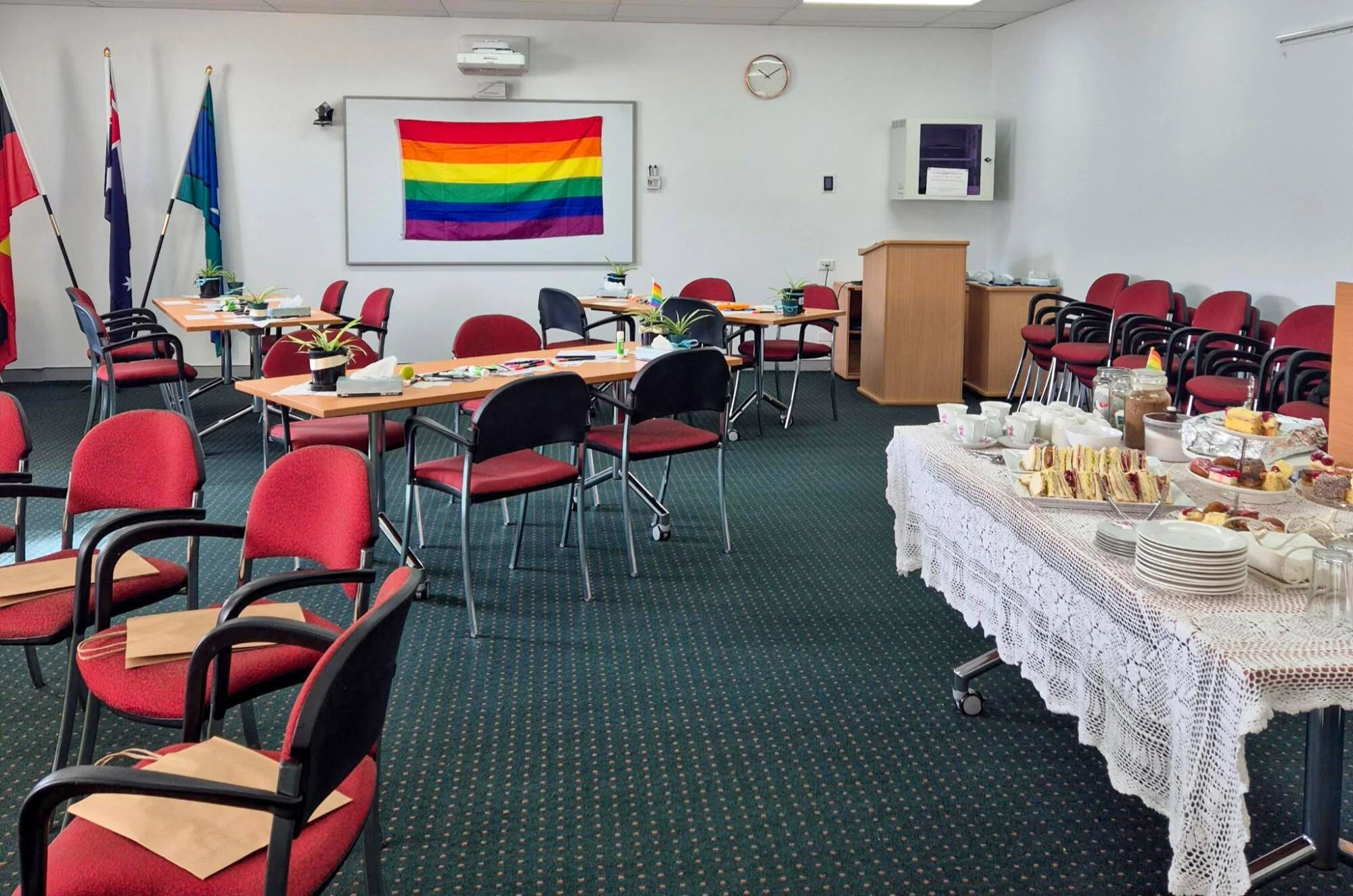
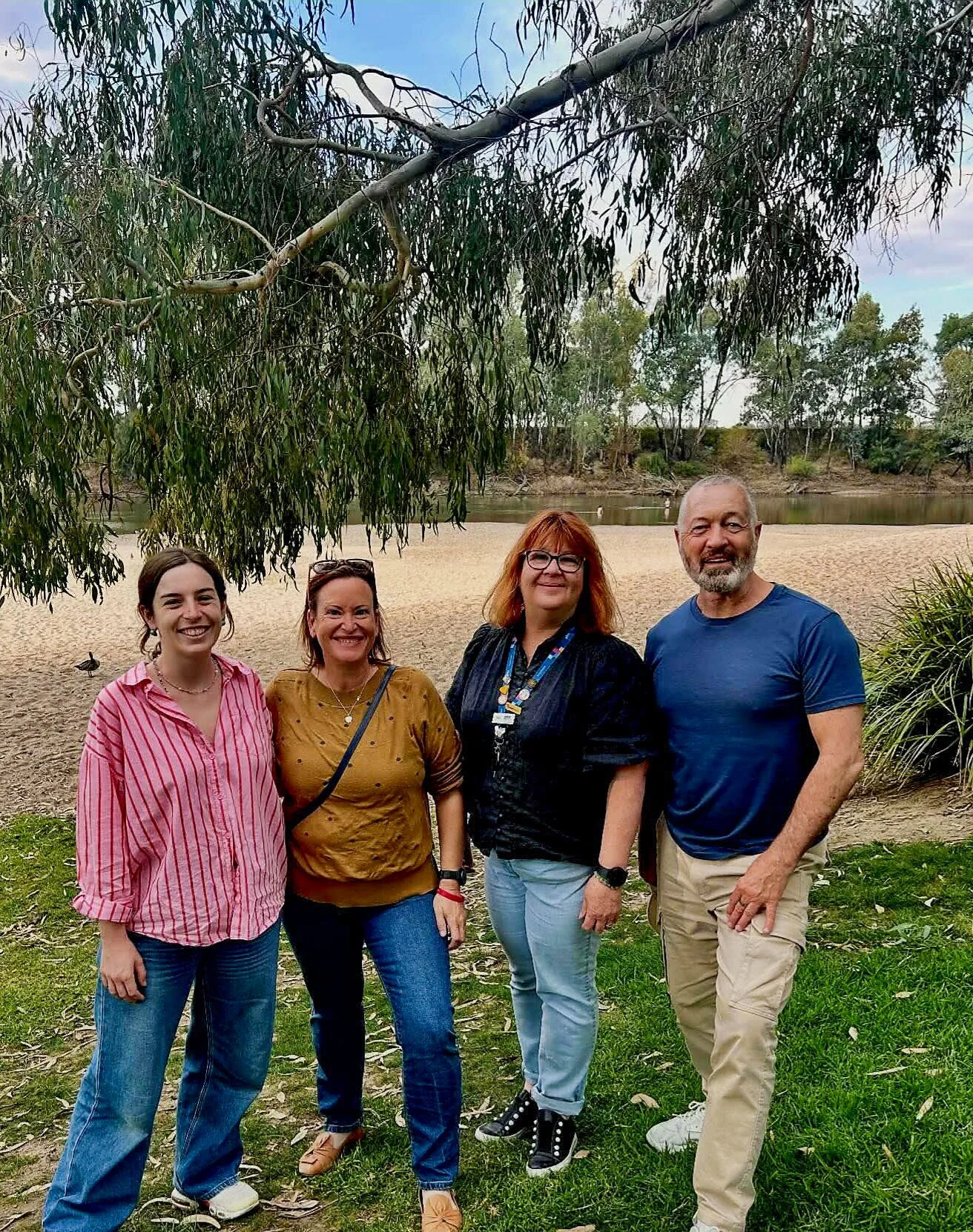
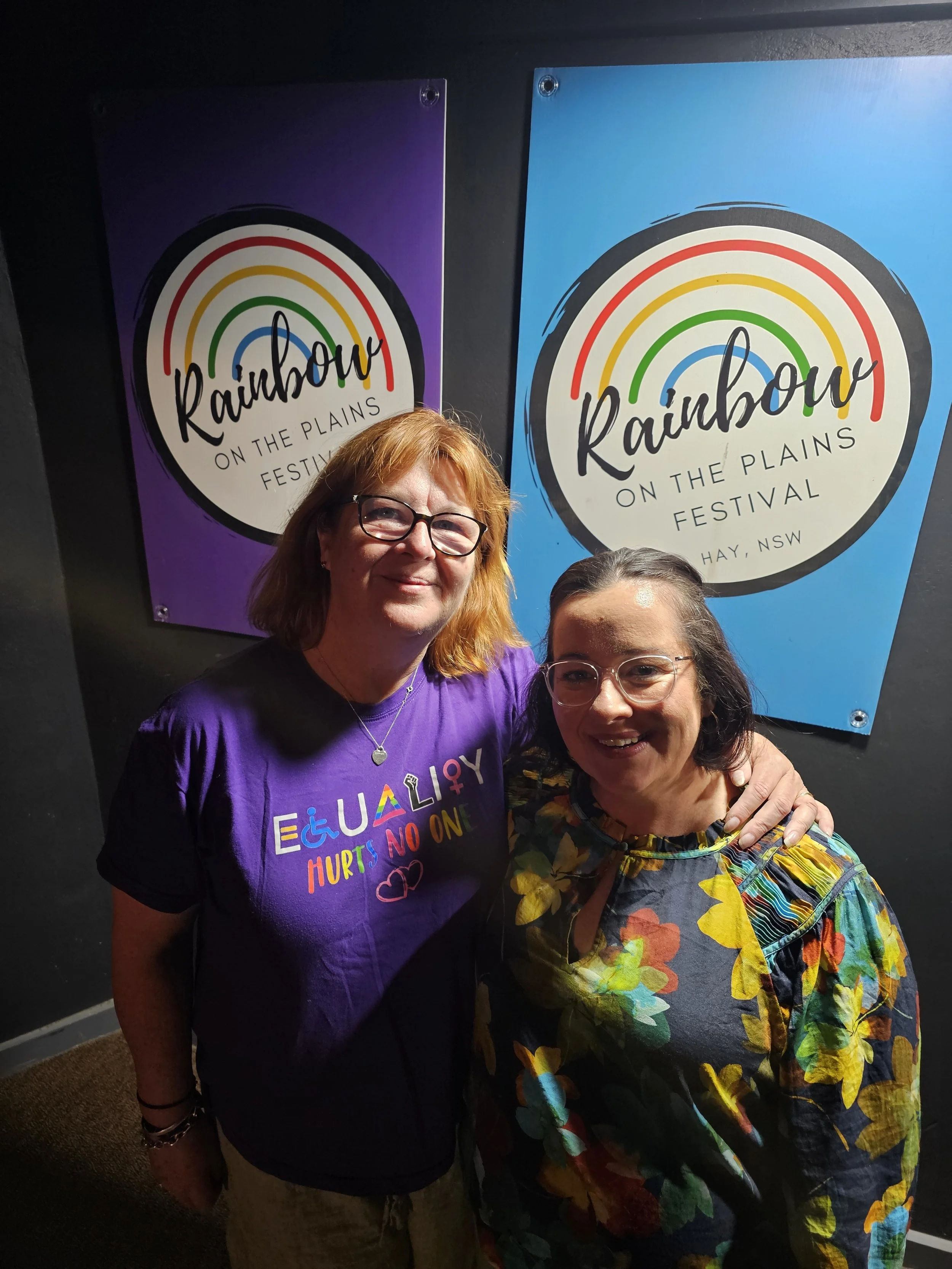
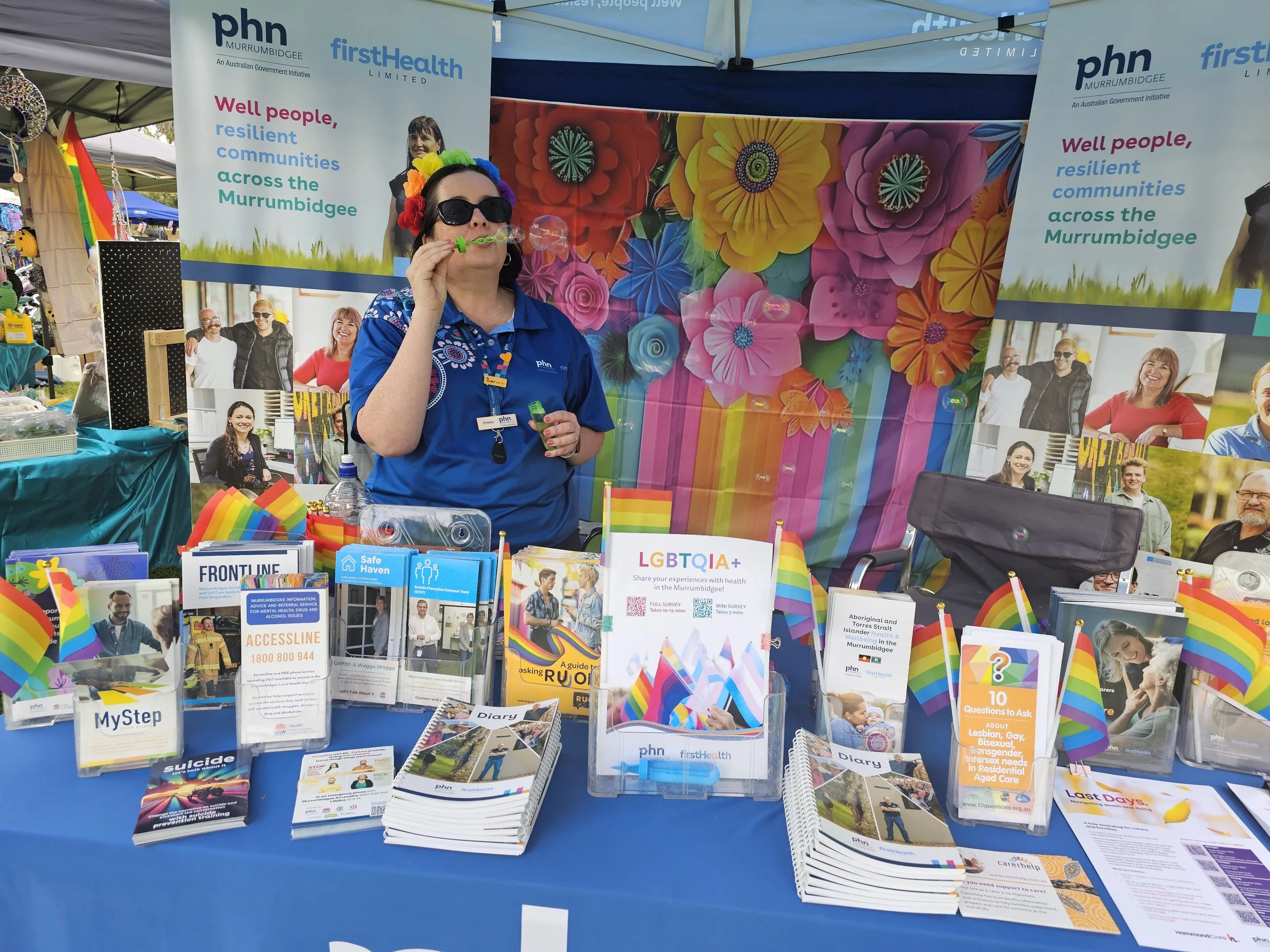
Showing up builds trust
For ACON Regional Outreach Officer Ben Tart, inclusion starts with genuine relationships and a willingness to invest the time needed to build trust.
“Our communities have unique and intersectional challenges that can significantly impact health outcomes,” Mr Tart said. “We know stigma and discrimination still exist. It’s so important that we work with these populations and our partners to ensure these issues are addressed.”
He describes ACON’s relationship with MPHN as one built on ease of engagement, a familiar and professional relationship grounded in expertise, and a simple but meaningful commitment to being present.
“Julie (Mecham) goes out into community – she’s known and she’s respected. She shows up. Showing up is often taken for granted because it sounds easy, but it’s so important. Our community sees that. And that comes back to leadership too. Leadership that enables Julie, supports her and trusts her to do this work. Without that, she wouldn’t be able to do the great things she does.”