Partnerships that make a difference
Key regional partnerships connecting community, lived experience, service providers and health organisations
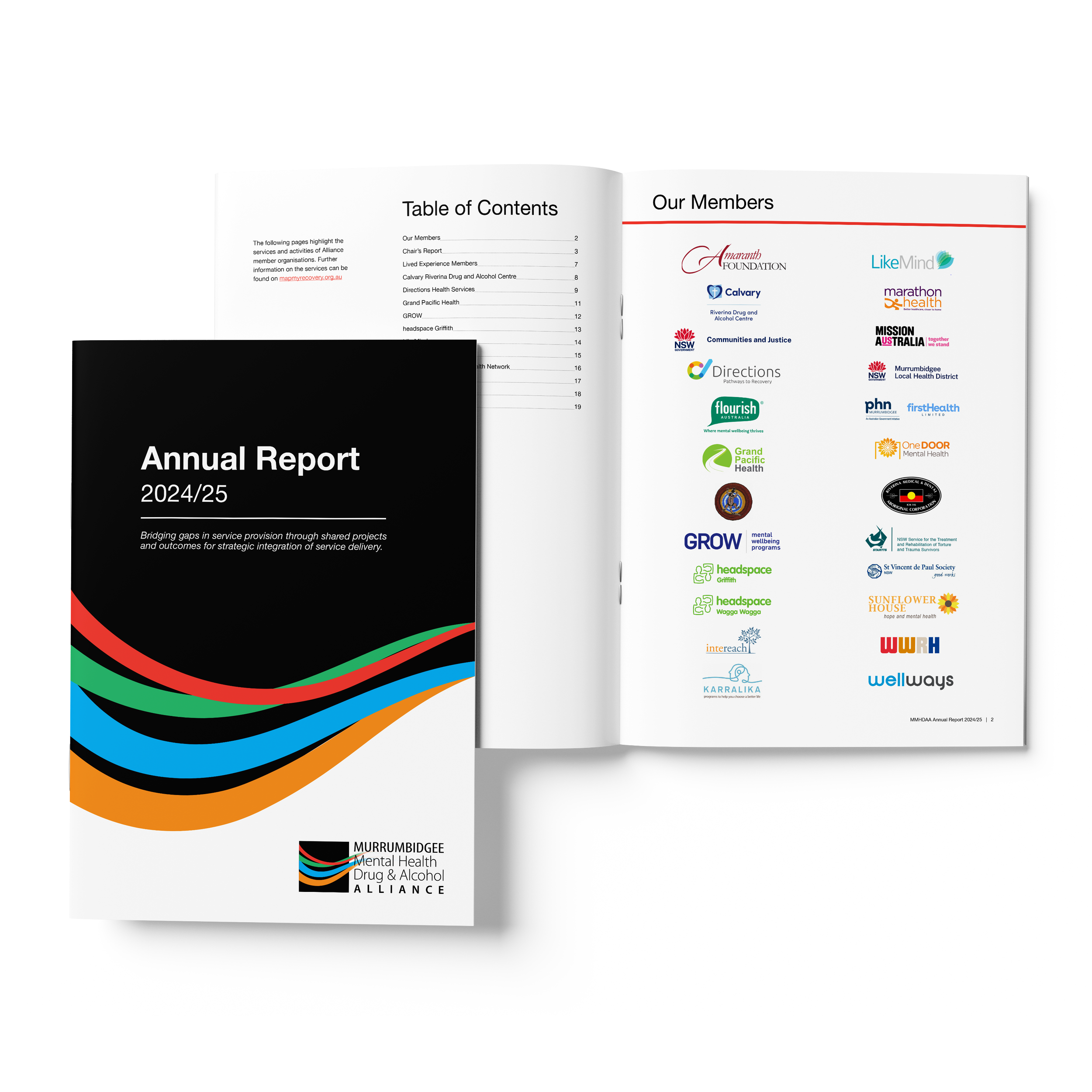
Years of collaboration marked by the Murrumbidgee Mental Health Drug and Alcohol Alliance
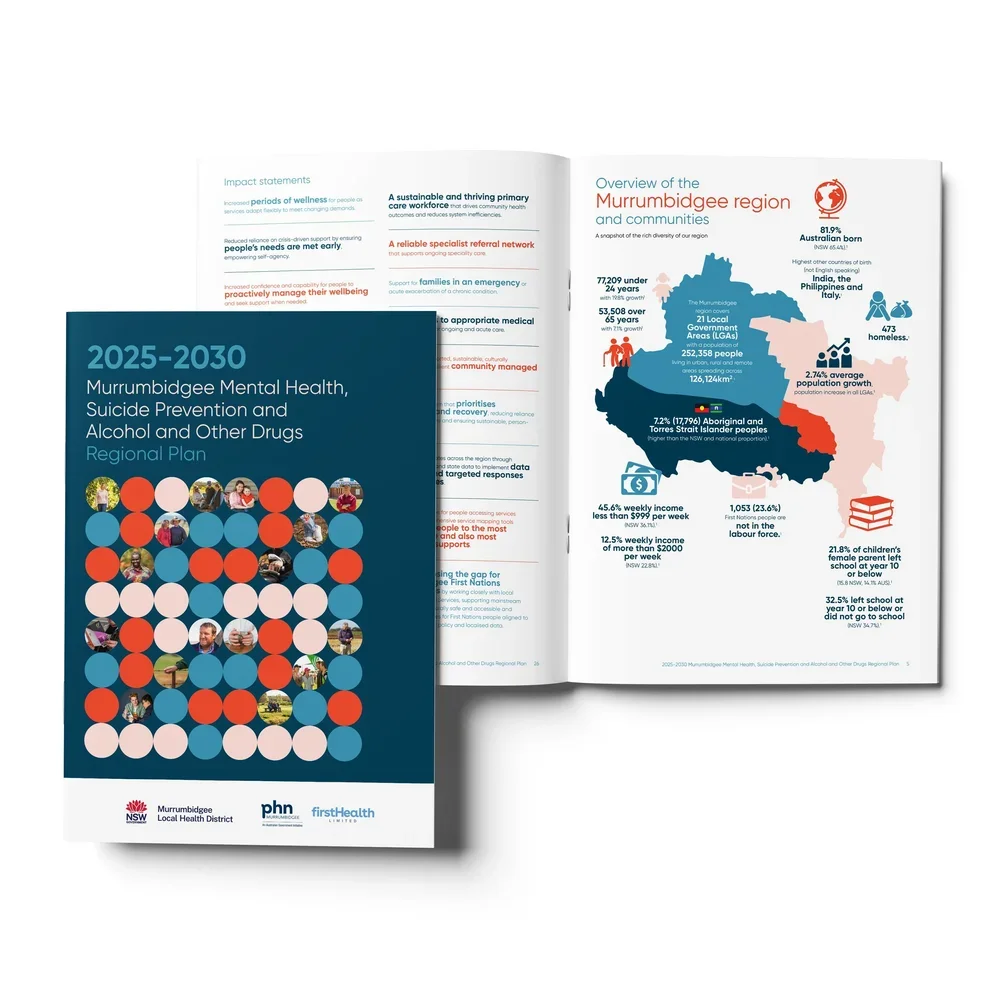
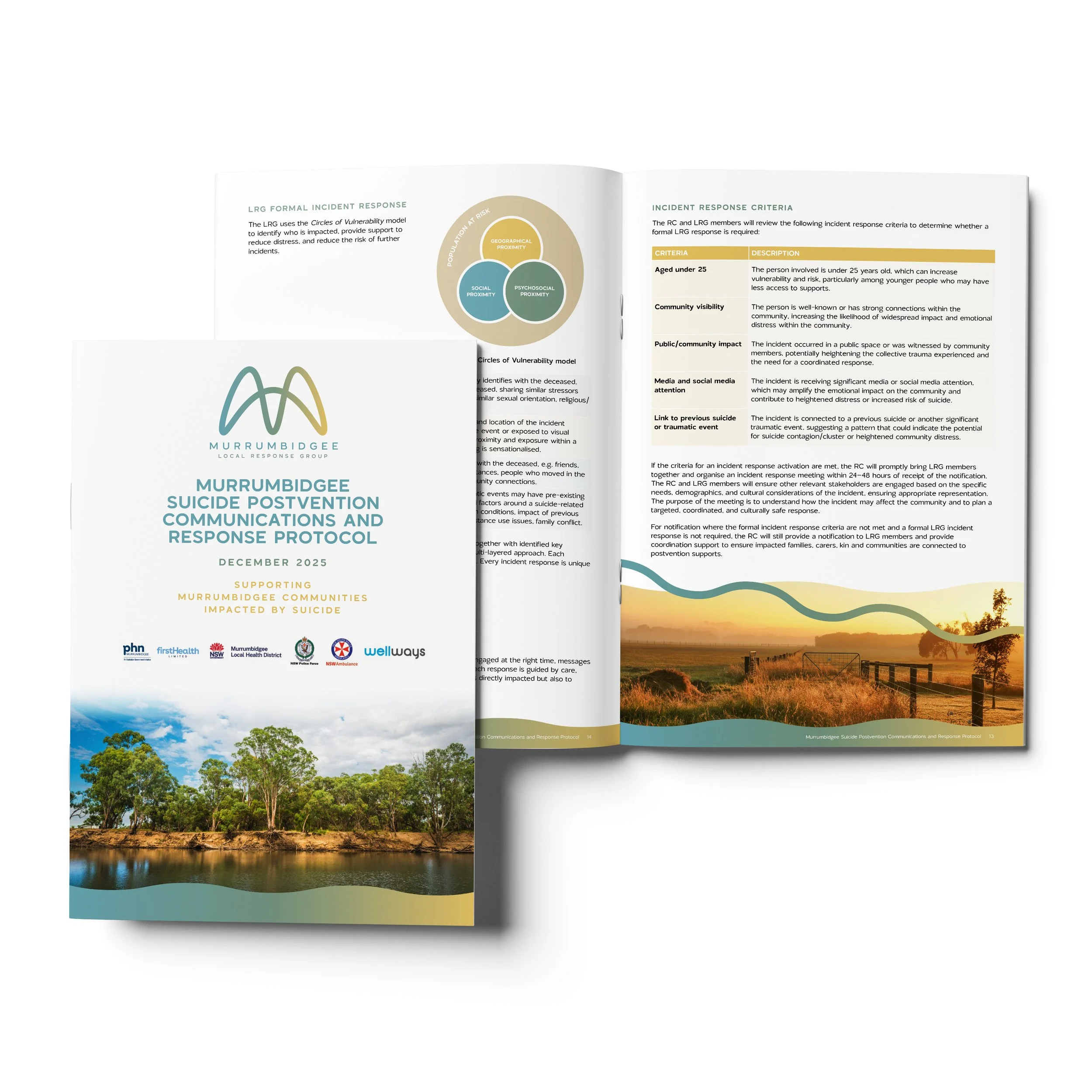
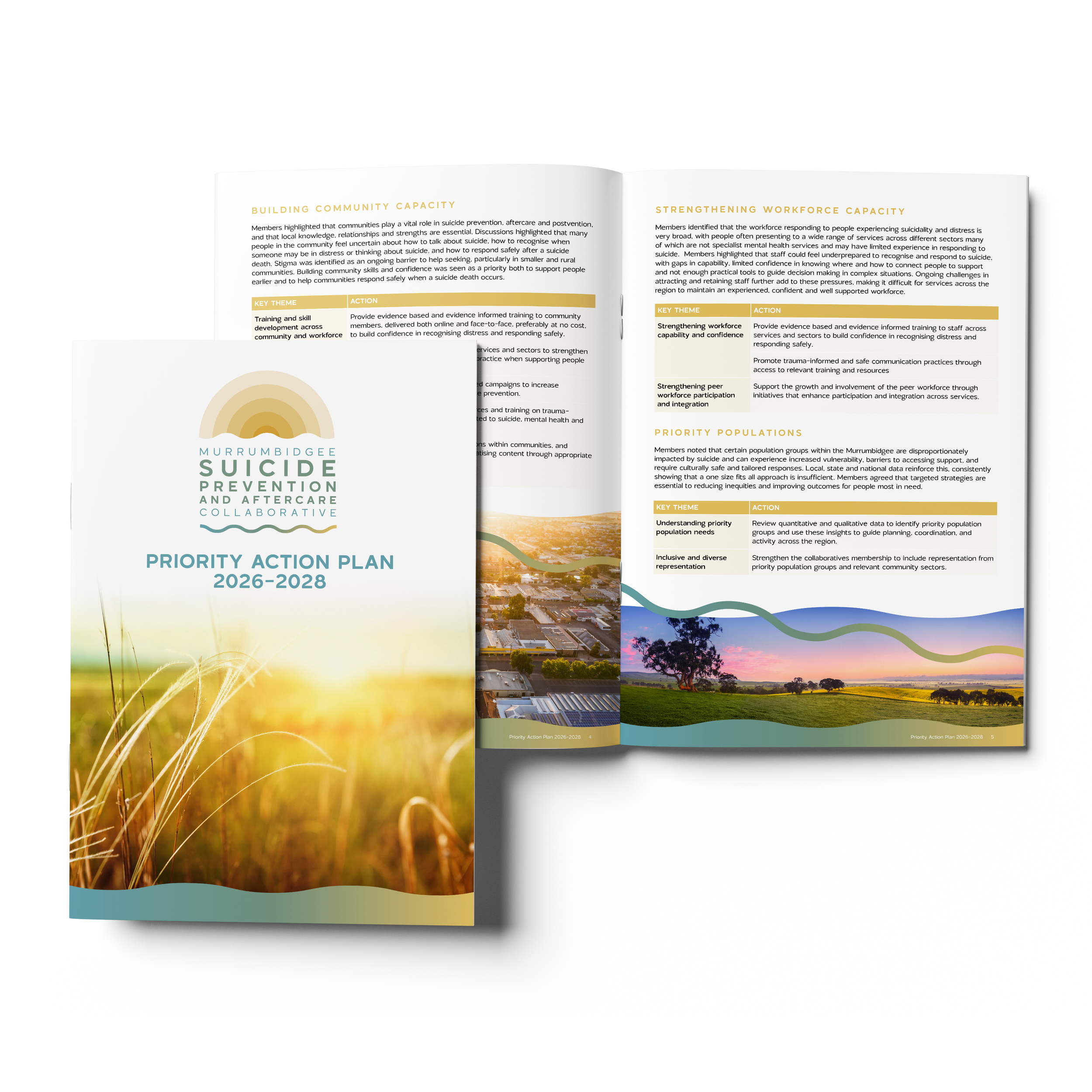
Major regional plans developed or endorsed during 2025–26 to guide mental health, alcohol and other drugs and suicide prevention priorities
Strong partnerships give MPHN access to something data alone cannot provide: the knowledge, experience and relationships of people who understand their communities firsthand.
Throughout 2025-26, the Murrumbidgee Mental Health Drug and Alcohol Alliance, and Murrumbidgee Suicide Prevention and Aftercare Collaborative continued to provide important forums for listening, sharing expertise and turning regional priorities into collective action.
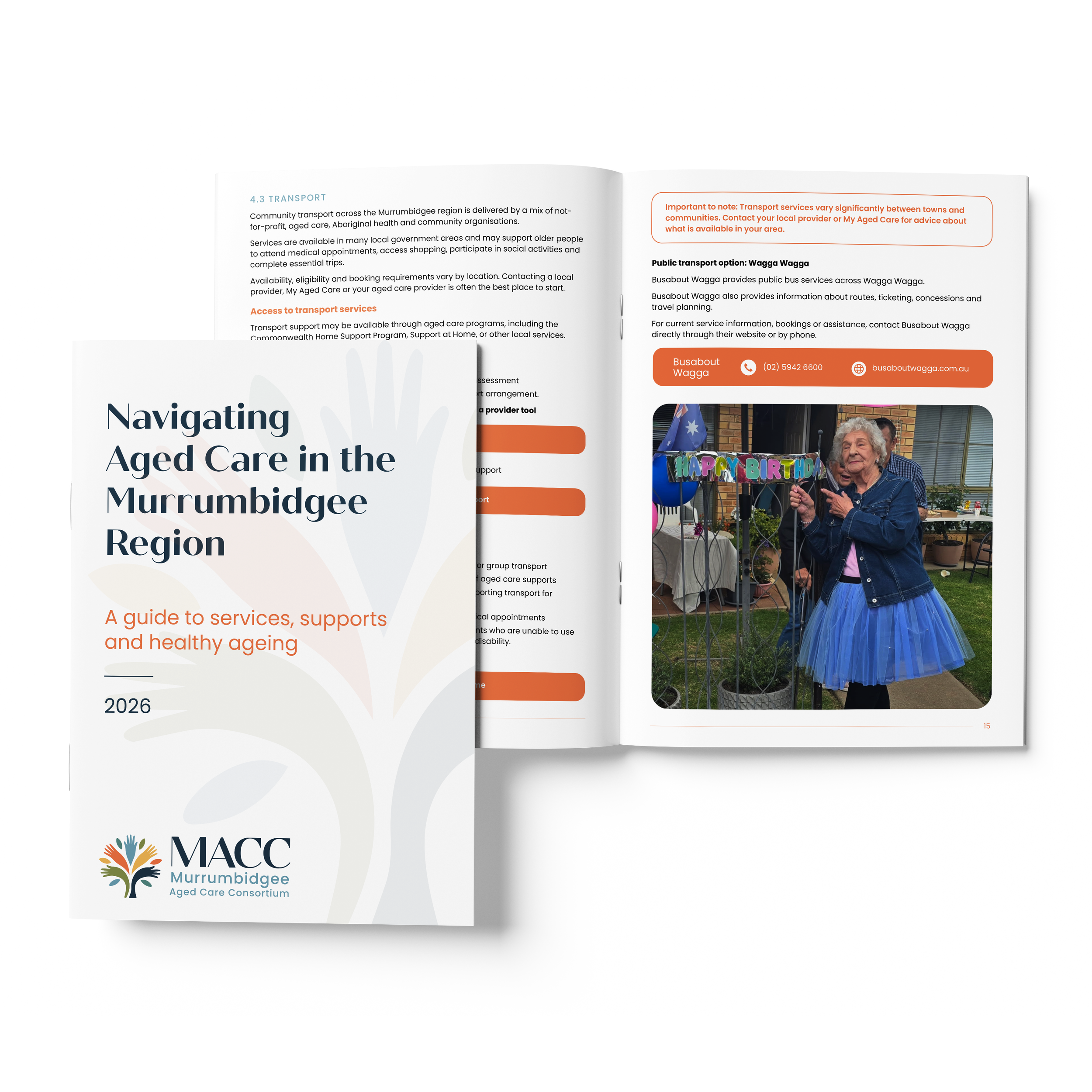
The Murrumbidgee Aged Care Consortium brought providers and partners together to share knowledge, identify local challenges and develop collaborative solutions. In 2025-26, its agreed priority areas were to promote the wellbeing, social connection and support for older men and carers, improve awareness of services, resources and referral pathways, and support access to aged care information and community services.
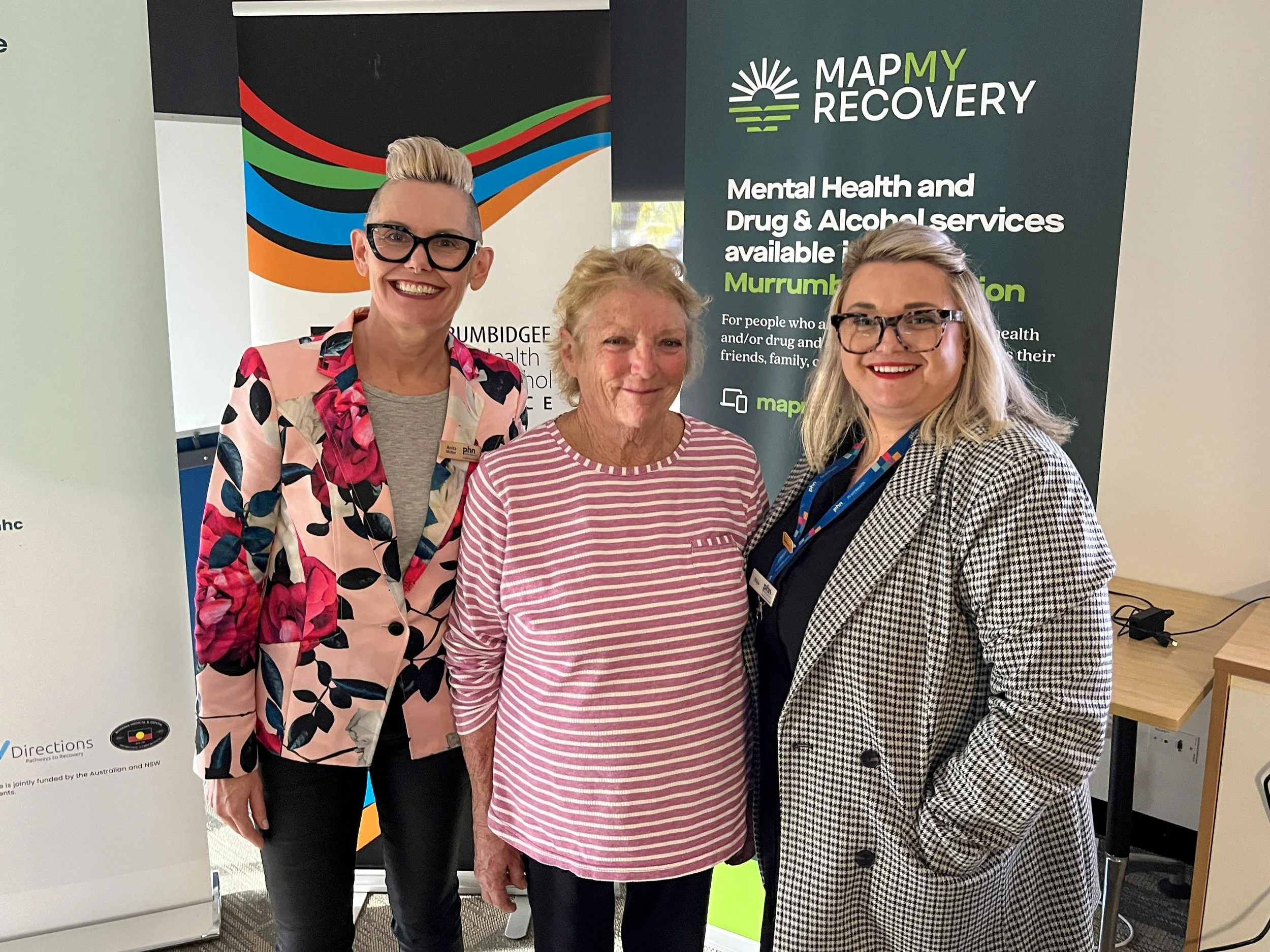
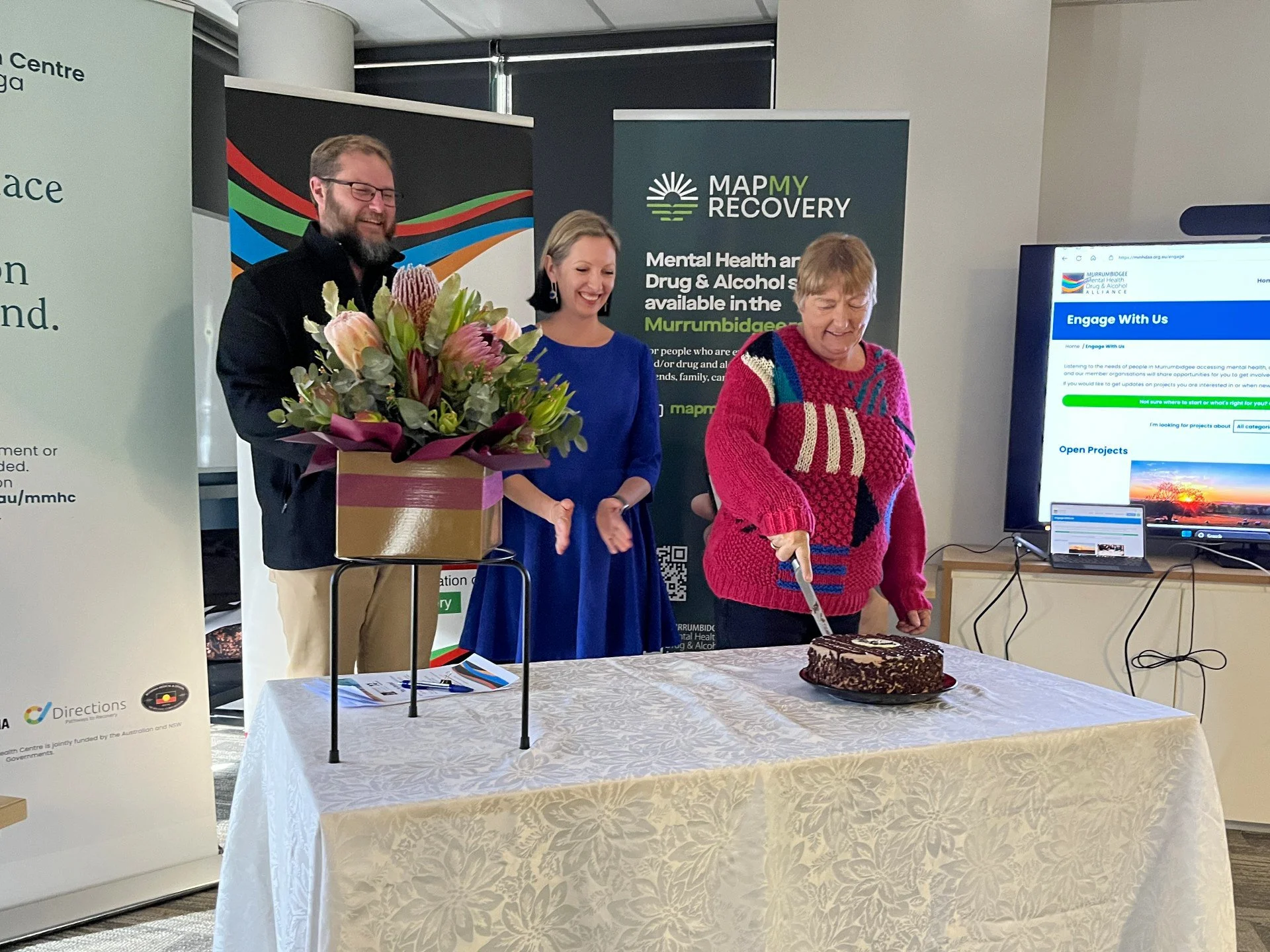
The Murrumbidgee Mental Health Drug and Alcohol Alliance marked 10 years of collaboration during 2025-26, continuing to connect organisations across the health, community and social sectors and contributed to development of the new 2025-2030 Murrumbidgee Mental Health, Suicide Prevention and Alcohol and Other Drugs Regional Plan. The Alliance also expanded opportunities for people with lived and living experience, families and carers to contribute to the regional mental health suicide prevention and alcohol and other drugs service system. This included launching the Murrumbidgee Peer Work Placement Program to build a confident, supported local peer workforce across mental health, alcohol and other drugs, or First Nations Peer Work.
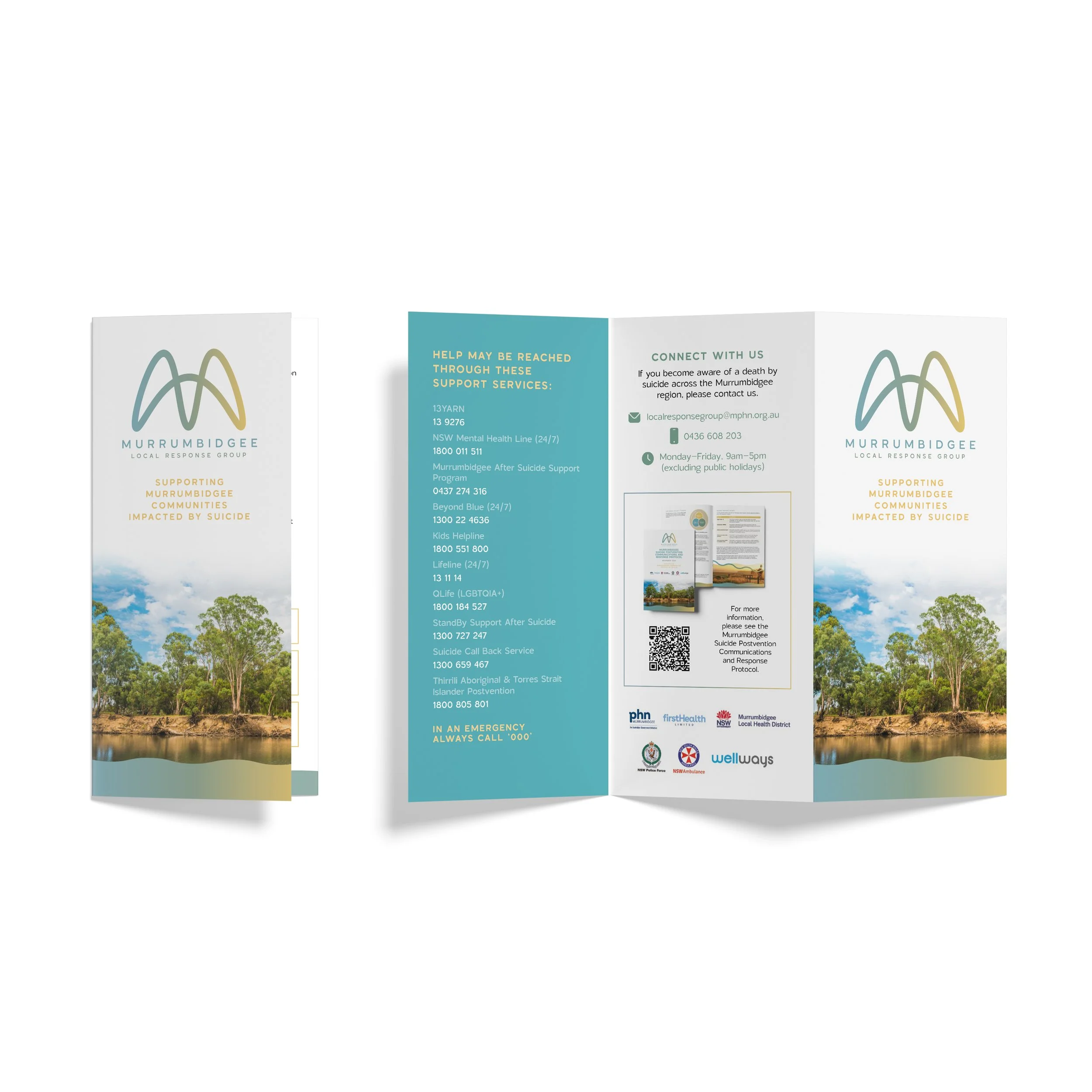
The Murrumbidgee Suicide Prevention and Aftercare Collaborative continued to bring together people with lived and living experience, service providers, government agencies and community stakeholders to coordinate suicide prevention across the region. During 2025-26, the Collaborative continued to progress priorities under its 2023-2025 Priority Action Plan, while developing the next plan for 2026-2028.
While each partnership has a different focus, they reflect the same approach: working with people and organisations that have deep knowledge, experience, credibility and connections within their communities.
MPHN Executive of Commissioning and Health Equity Anita McRae explained MPHN’s approach to community partnerships. “Strong partnerships are built on trust and recognising and valuing the knowledge, experience and relationships that already exist in our communities. Our role is to work alongside people and organisations, build on and support what they’re already doing and make sure those voices continue to influence our planning, commissioning and service improvement,” Ms McRae said.
“By bringing the right people together around shared priorities, we can achieve far more than any one organisation can on its own.”