Walan Voices brings First Nations perspectives to the table
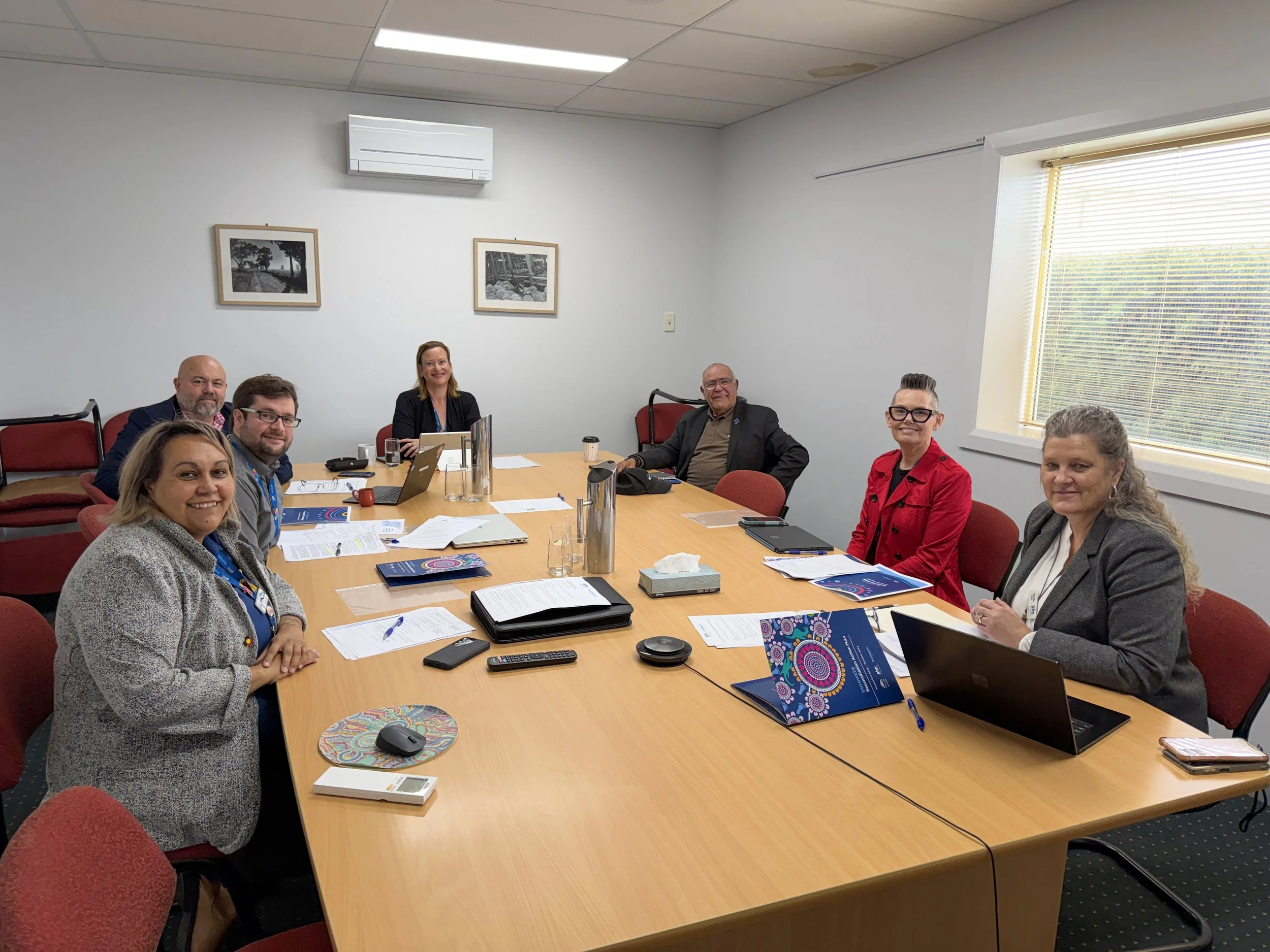
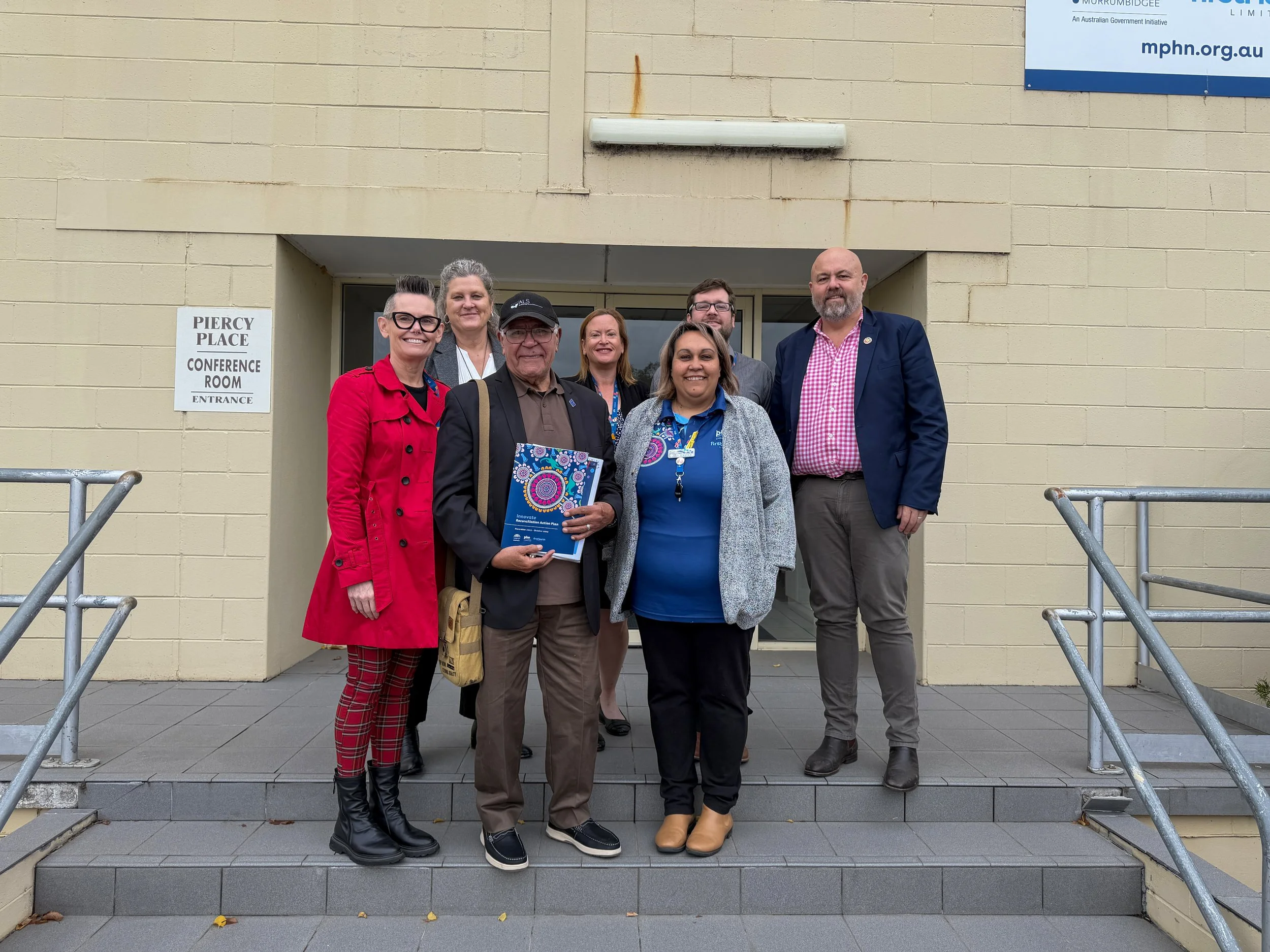
Established to provide a dedicated First Nations voice into MPHN
Local Elders and First Nations community members provided advice on health priorities, cultural safety and MPHN initiatives
Meetings held in 2026, with four meetings planned each year and representation to expand across the Murrumbidgee
For Walan Voices for Health member Troy Pietsch, having a voice at the table is only valuable if it leads to action.
“The goal is not simply to have a seat at the table,” Mr Pietsch said. “It is to use that opportunity responsibly to strengthen community voice, build capability and help create better health outcomes for First Nations people across the Murrumbidgee.”
In 2025-2026 Walan Voices for Health was established to give local Elders and First Nations community members a direct avenue to advise Murrumbidgee Primary Health Network (MPHN) on issues affecting Aboriginal and Torres Strait Islander communities.
It filled an important gap. While MPHN already had a range of governance and advisory committees, there was no dedicated First Nations group providing a cultural lens across the organisation.
Walan Voices is designed to help change that, bringing community knowledge together with MPHN’s resources and influence to inform priorities, programs and services.
“Our Elders, community members and Aboriginal health professionals hold deep knowledge about what supports the health and wellbeing of our people,” Mr Pietsch said. “Walan Voices provides an opportunity to bring that knowledge together with the capability and resources of MPHN.”
The group provides advice on issues including MPHN’s Reconciliation Action Plan, First Nations health strategy, Closing the Gap priorities and cultural protocols. Discussions have also extended to culturally safe mainstream healthcare, data sovereignty and how MPHN approaches procurement and commissioning.
The establishment of the group means First Nations advice no longer rests with a single person, but rather MPHN can now draw on the experience, skills and perspectives of local Elders and community members.
That breadth of perspective matters because access to healthcare is about more than whether a service exists.
“Sometimes we focus on whether a health service exists, when the bigger question is whether our people feel safe and confident enough to use it,” Mr Pietsch said.
Transport, distance, affordability and workforce can all create barriers, but so can lack of trust, racism and previous experiences of healthcare. Cultural safety, Mr Pietsch said, is ultimately determined by the person receiving care: people need to feel “respected, listened to and valued”.
For MPHN Aboriginal Health and Wellbeing Manager Maxine Little, genuine engagement starts with relationships and requires more than asking communities what they think.
“The first step is building that relationship. It’s not us going out and saying, ‘This is what MPHN is doing and this is what we want to do.’ It’s sitting and co-designing with community and Elders, listening, building that trust and walking side by side together. We need to listen, hear people’s stories and make sure that leads to meaningful outcomes.”
For Mr Pietsch, that engagement also requires accountability. Communities need to be able to see what happened as a result of sharing their views.
“Communities have been consulted many times,” Mr Pietsch said. “Genuine engagement means going back and saying, ‘This is what we heard, this is what we have changed, and this is what we weren’t able to change and why.’”
As Walan Voices grows, MPHN wants to broaden representation across the Murrumbidgee and embed First Nations perspectives throughout the organisation.
Mr Pietsch sees the test of its success clearly: “I would like communities to be able to see their voices reflected in priorities, programs and services – and for our Elders and community members to know that sharing their knowledge has actually made a difference.”