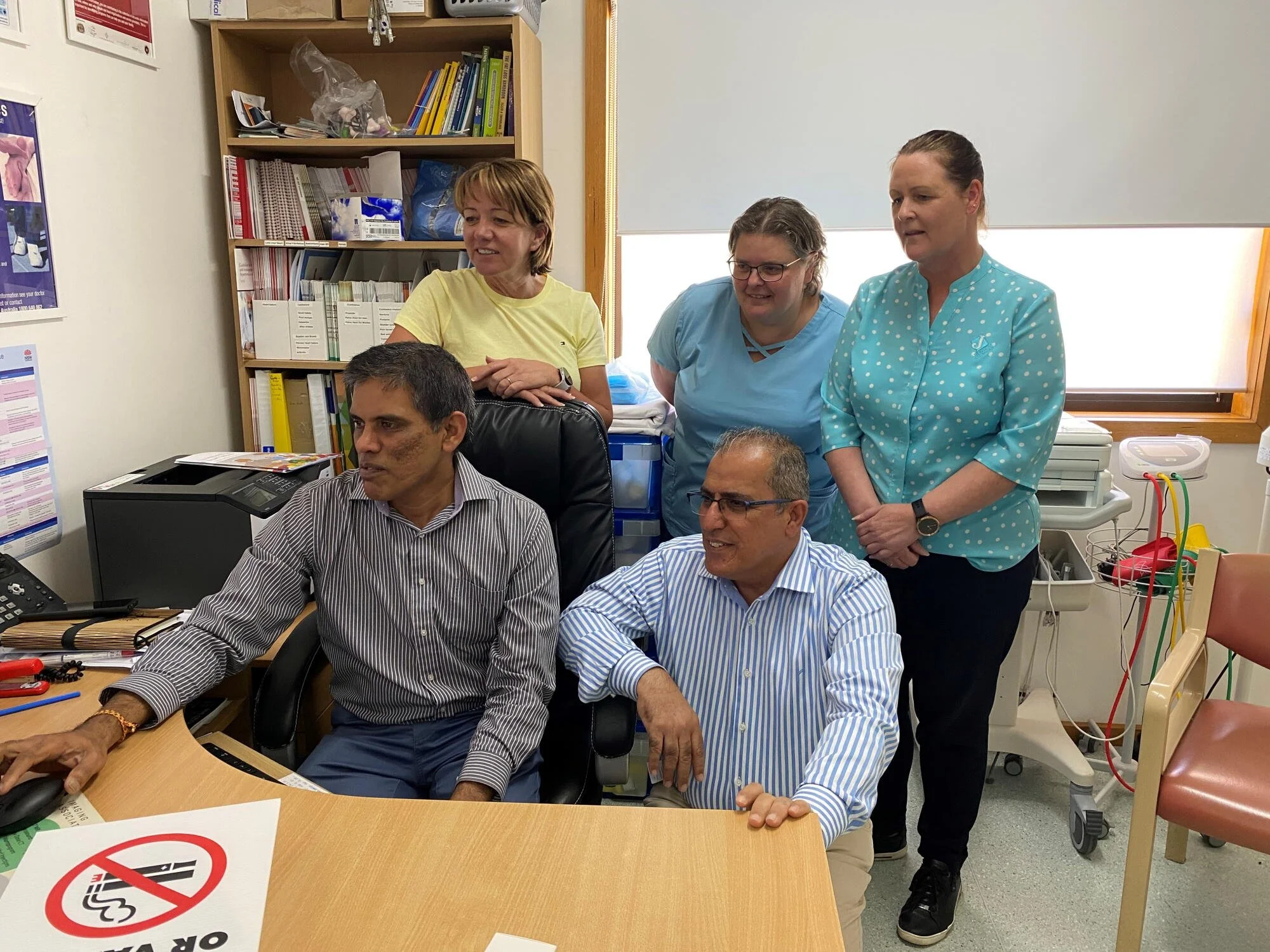
Making digital health work in practice
Digital health has the potential to make healthcare more connected and efficient – but technology delivers benefits only when healthcare providers can use it with confidence. During 2025-2026, MPHN continued to focus on helping practices and providers translate national digital health initiatives into practical improvements in everyday care.
Building a stronger GP workforce pipeline
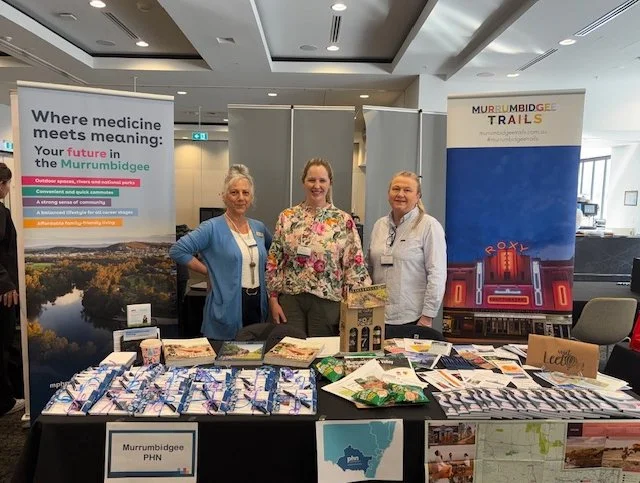
In 2025-2026, the General Practice Workforce Planning and Prioritisation (WPP) program strengthened MPHN’s capacity to identify areas of GP workforce need and work with training partners to support a pipeline into those communities.
Taking the conversation to community
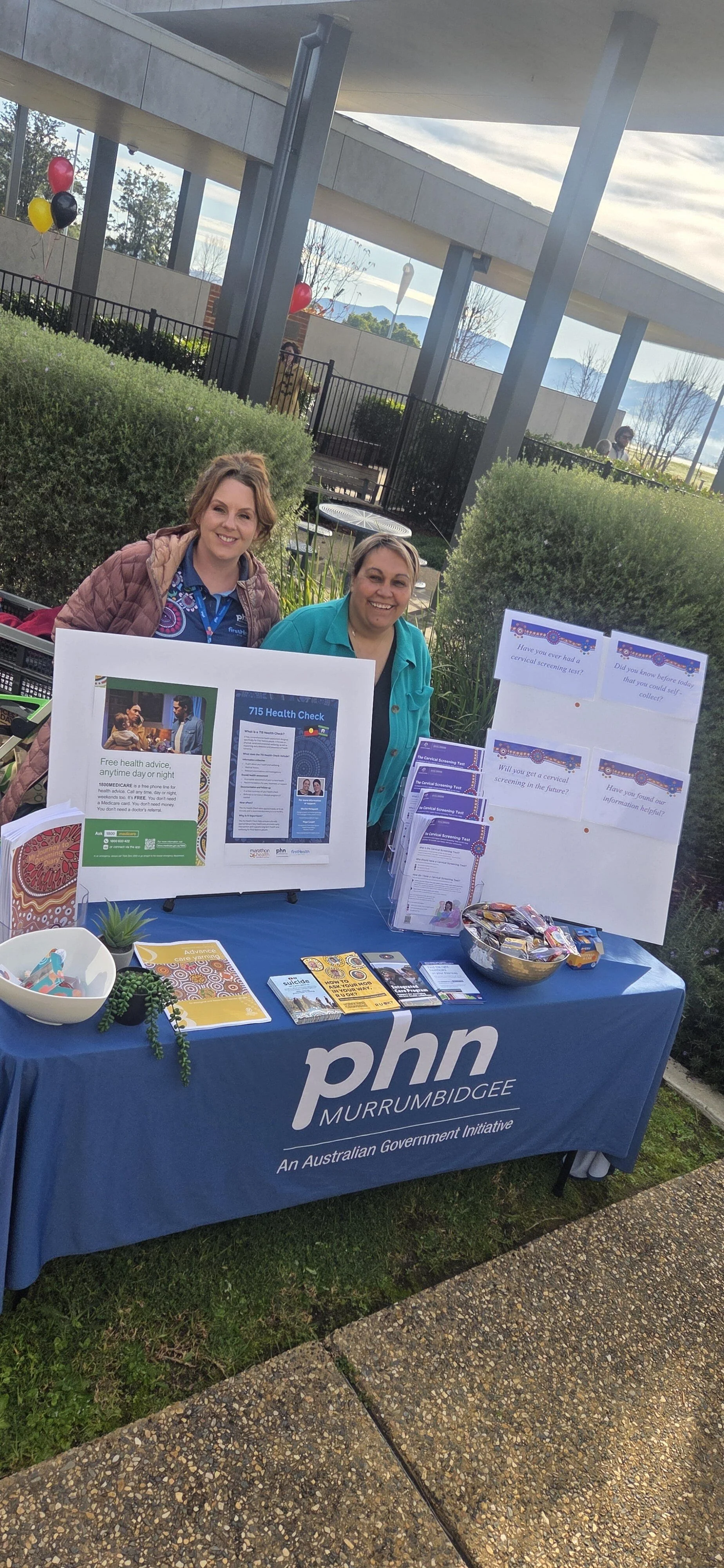
During NAIDOC Week, MPHN’s Aboriginal Health and Wellbeing Manager Maxine Little and Primary Health Care Engagement Officer Erin Godwin spoke with Aboriginal and Torres Strait Islander women at community events about cervical screening – what they knew, what stopped women from screening and whether the option to self-collect could make a difference.

Building better health checks through stronger relationships
A regular health check can help identify health concerns early, but for Aboriginal and Torres Strait Islander people, getting through the door is only part of the equation. Feeling culturally safe, welcomed and understood matters too.
Walan Voices brings First Nations perspectives to the table
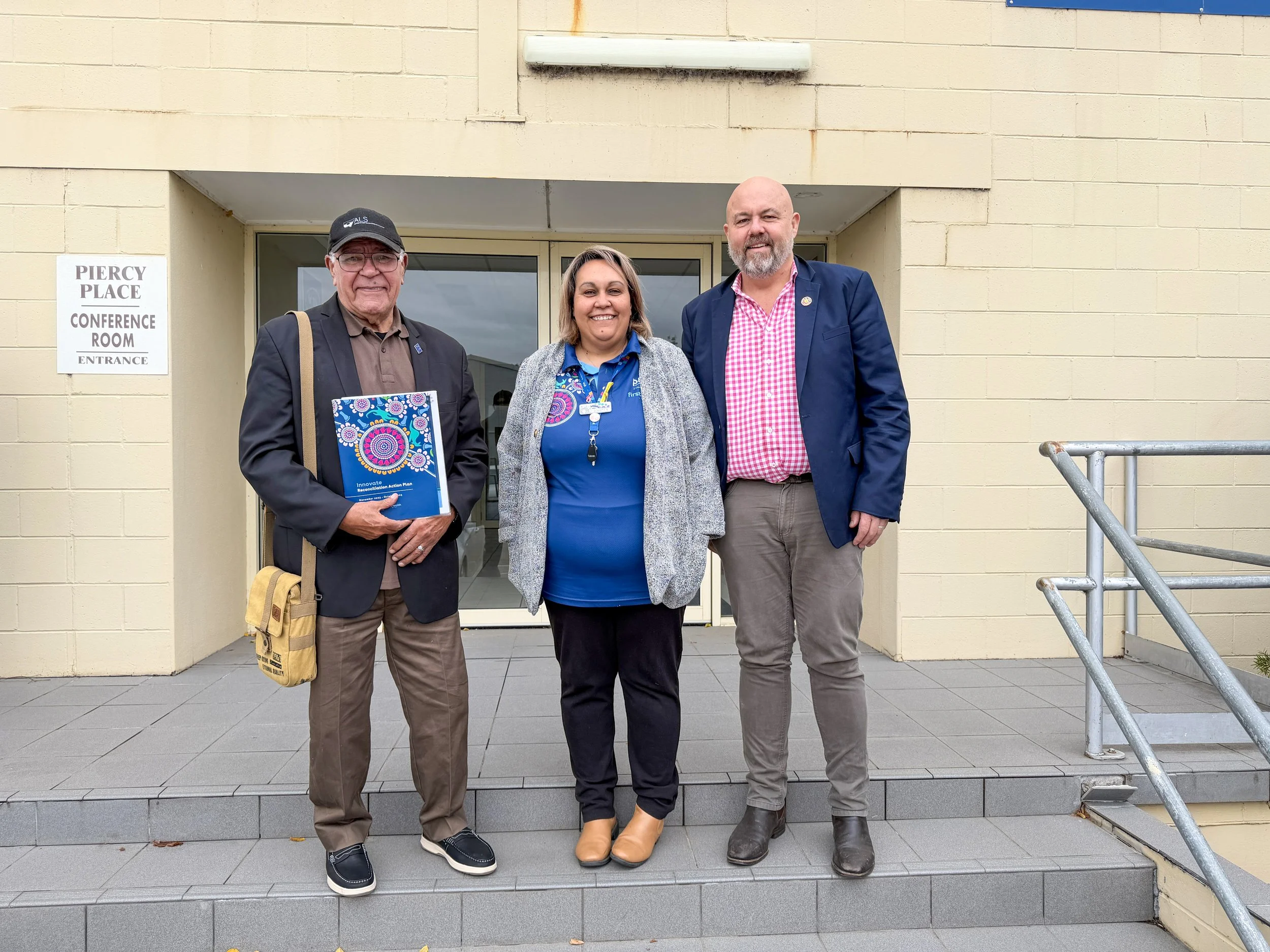
In 2025-2026 Walan Voices for Health was established to give local Elders and First Nations community members a direct avenue to advise MPHN on issues affecting Aboriginal and Torres Strait Islander communities.
Partnerships that make a difference
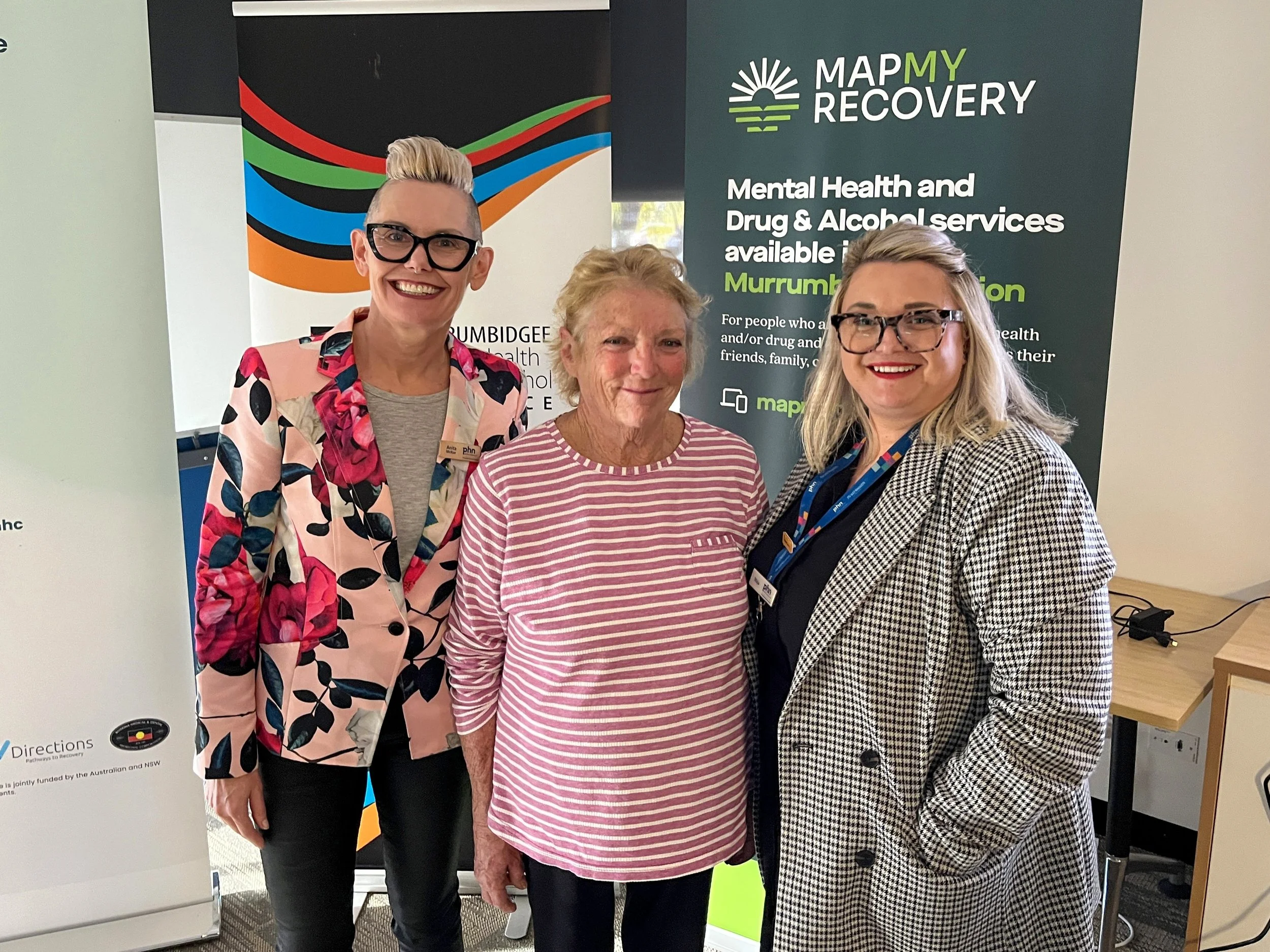
Strong partnerships give MPHN access to something data alone cannot provide: the knowledge, experience and relationships of people who understand their communities firsthand. Throughout 2025-26, the Murrumbidgee Mental Health Drug and Alcohol Alliance, and Murrumbidgee Suicide Prevention and Aftercare Collaborative continued to provide important forums for listening, sharing expertise and turning regional priorities into collective action.
Making inclusion part of how we work
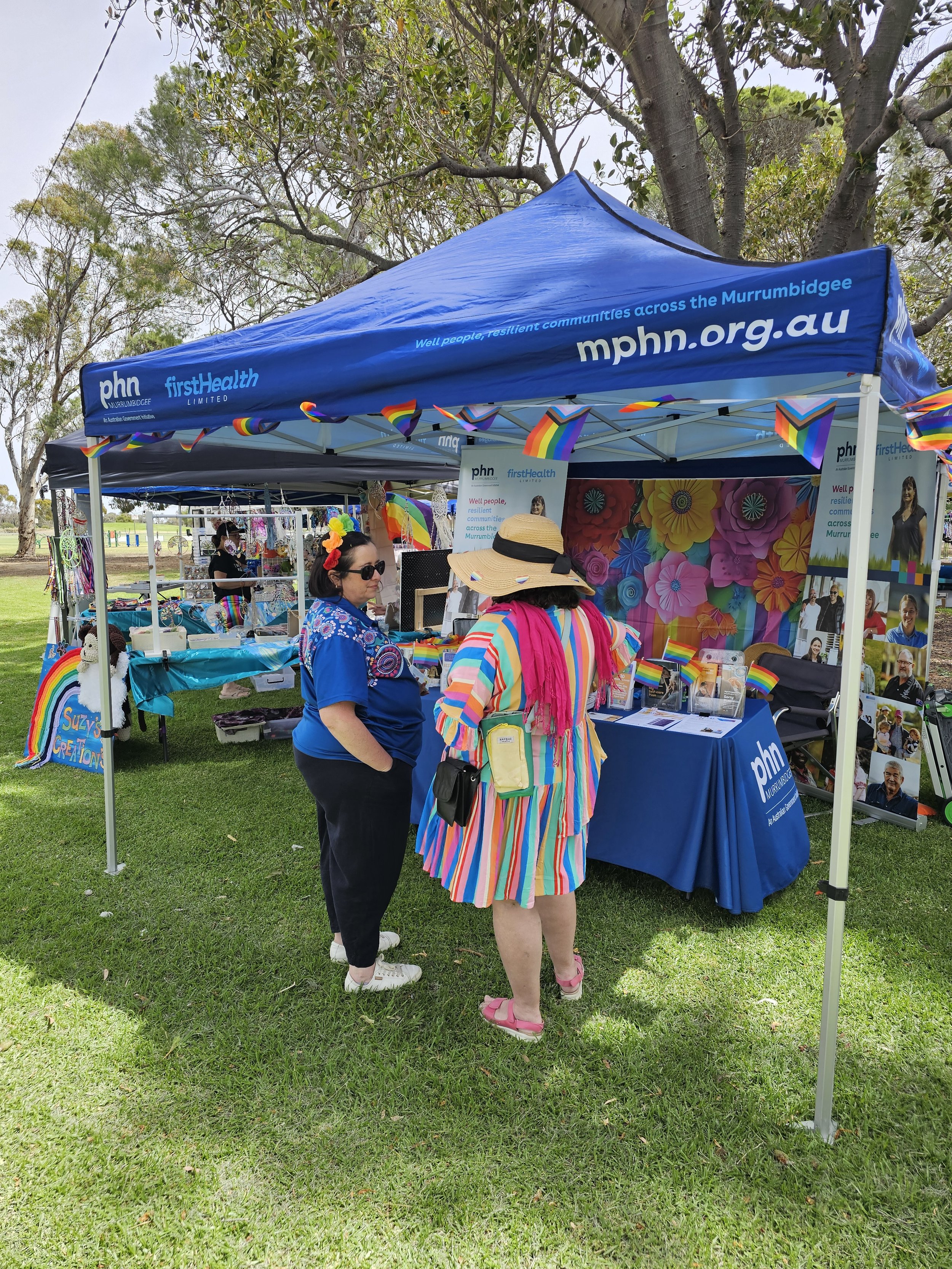
Creating more equitable healthcare starts with understanding who may be missing out – and why. In October 2025, MPHN established its Equity, Diversity and Inclusion (EDI) Committee, initially responding to recommendations from its LGBTQIA+ Health Needs Assessment and the PHN Multicultural Health Framework. Its remit has since broadened to cover disability inclusion, ageism, gender inequality, mental health and wellbeing, and neurodiversity.
Embedding reconciliation in everyday business
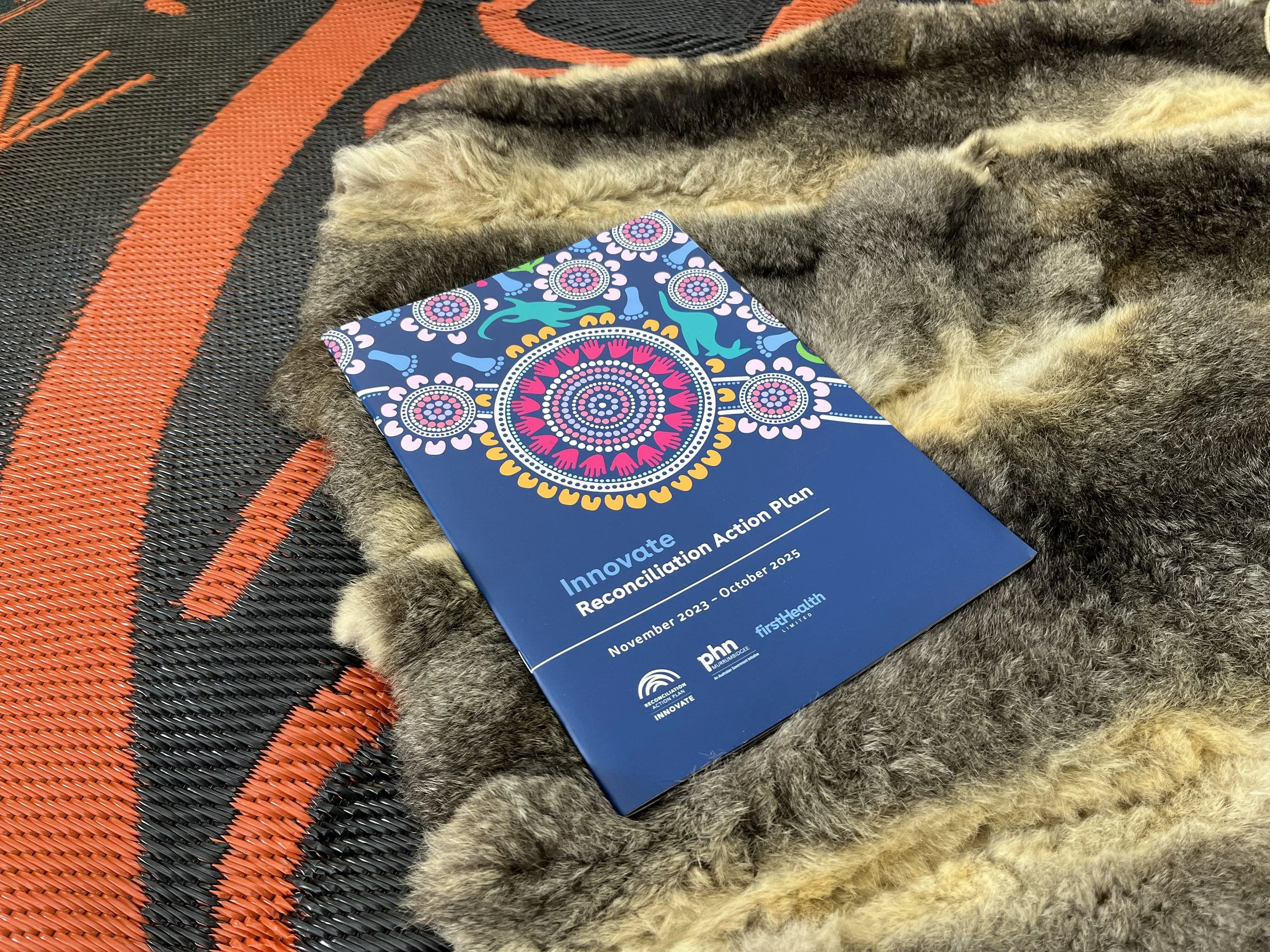
For MPHN, reconciliation is not simply a plan or a series of events. The goal is to embed cultural understanding, respect and First Nations perspectives into the way the organisation works every day.
Supporting general practice through national reforms
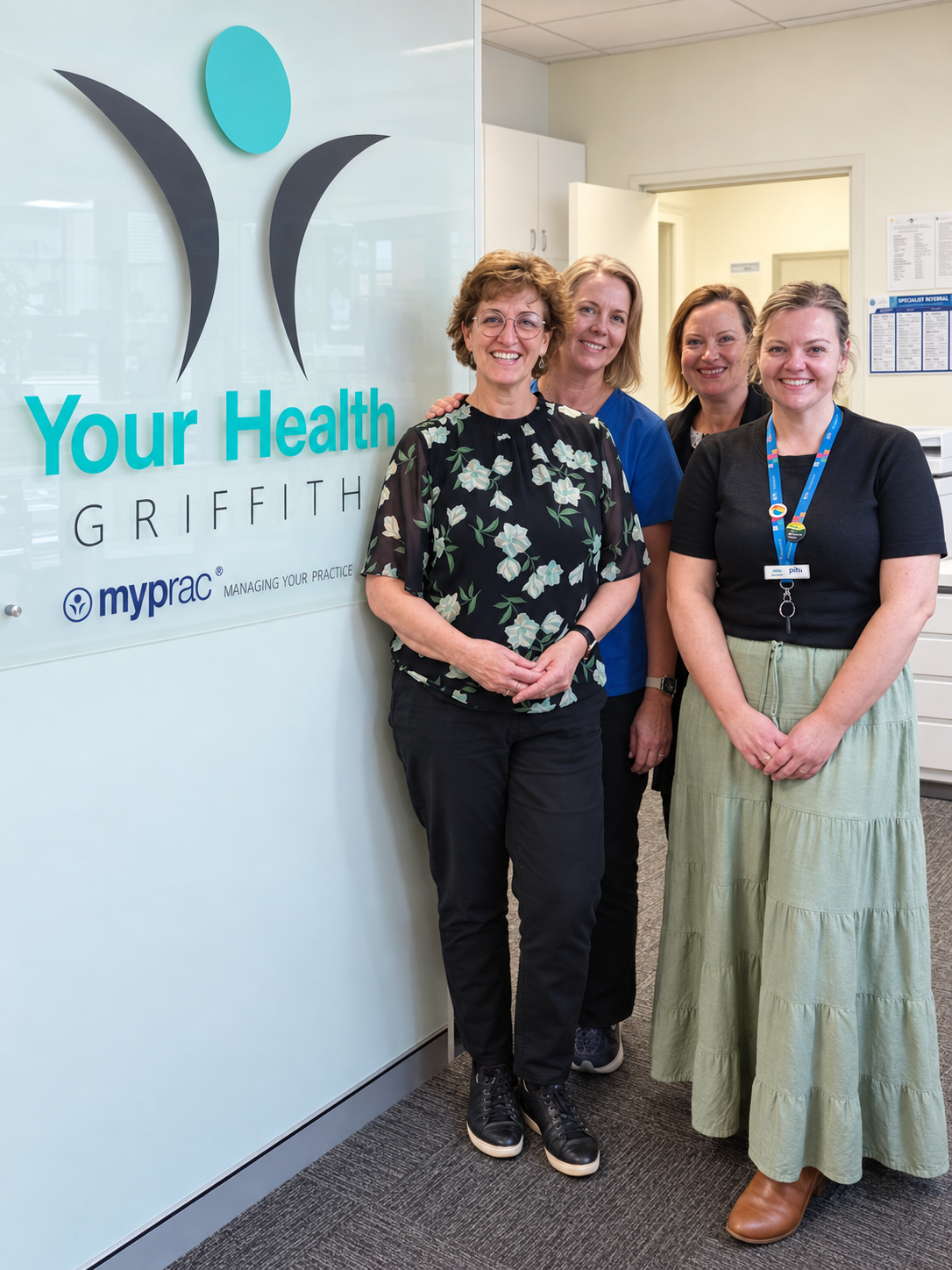
General practices across the Murrumbidgee region navigated significant national primary care reform during 2025-2026, requiring changes to everything from business models and funding arrangements to clinical workflows and the way patients access care.
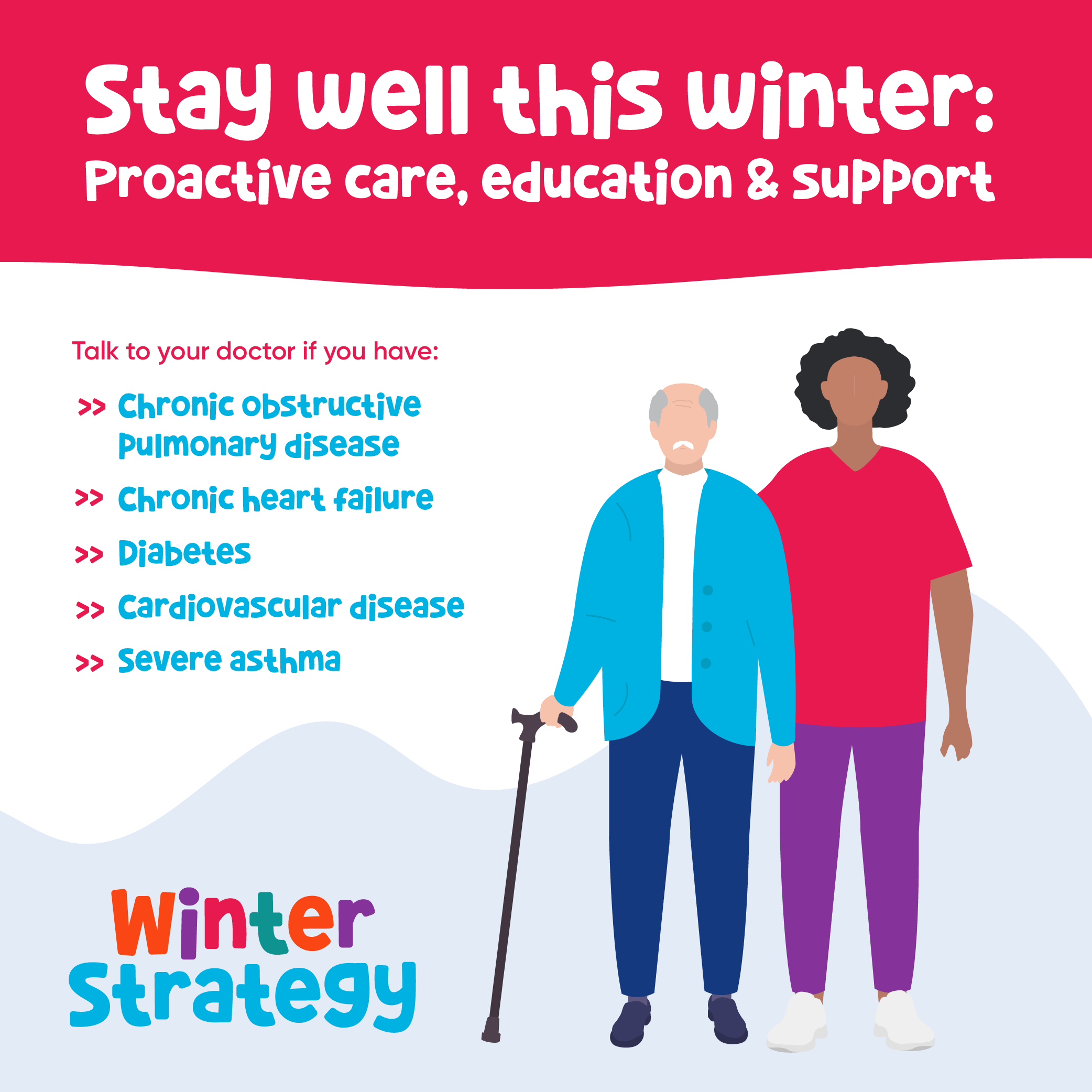
Proactive care through winter
For people living with chronic disease, staying well through winter can depend on identifying potential problems before they become more serious. MPHN’s Winter Strategy, which was part of the Living Well, Your Way initiative, supported general practices to identify patients at greater risk of deterioration and provide proactive, coordinated care to help keep them well and out of hospital.
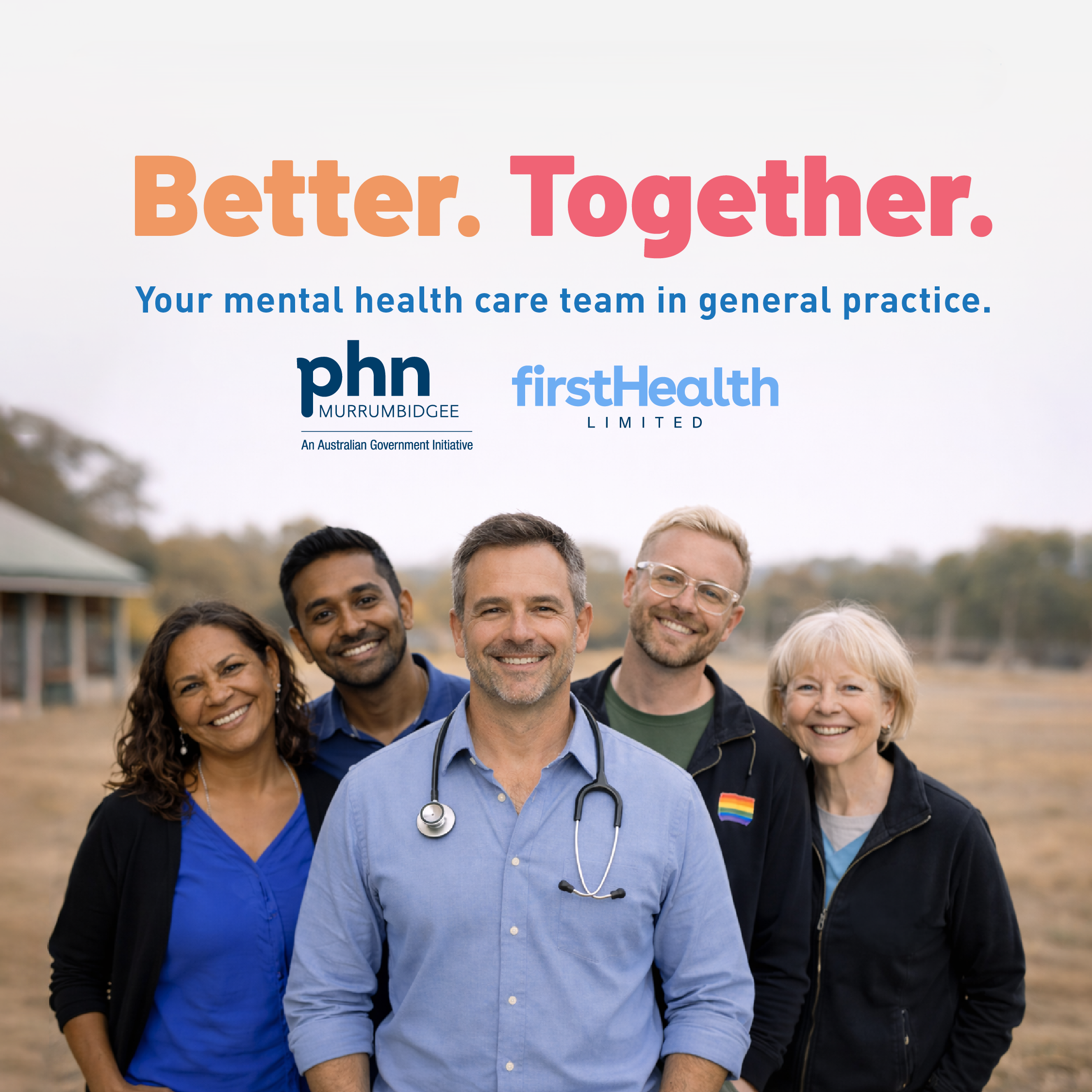
Better. Together. takes mental health care closer to home
A major investment secured during 2025-26 will transform how people with severe and complex mental health needs can access care across the Murrumbidgee. Better. Together. builds on MPHN’s Mental Health Nurse-led model and subsequent Team Care pilot, using what was learned to create a larger multidisciplinary model embedded within general practice.
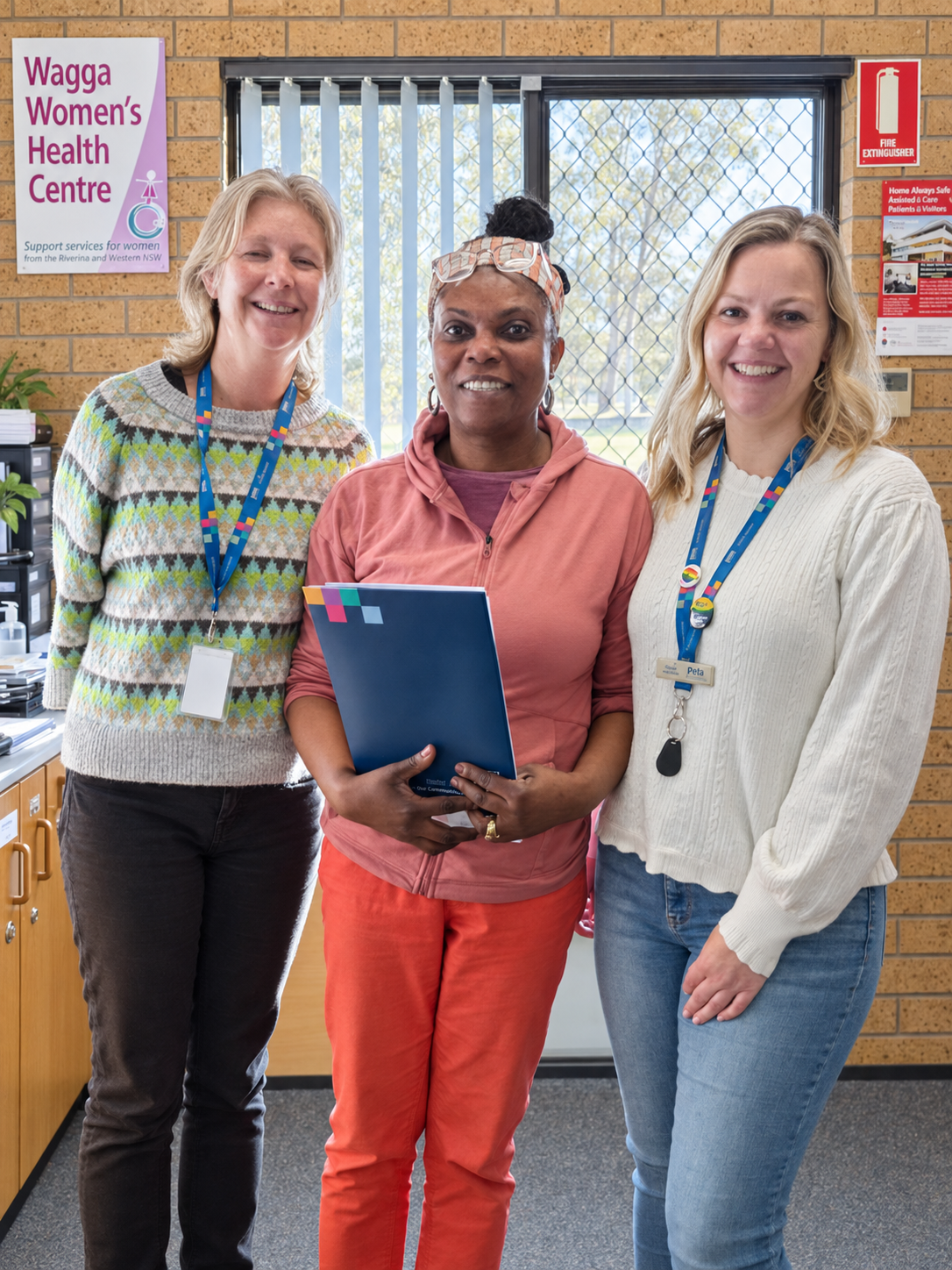
Local solutions to rural aged care challenges
When the first solution doesn’t work, sometimes the answer is to go back to the very people the solution is trying to help. During 2025-2026, MPHN did exactly that to improve primary care access for older people living in residential aged care homes in some of the Murrumbidgee’s thinnest healthcare markets.
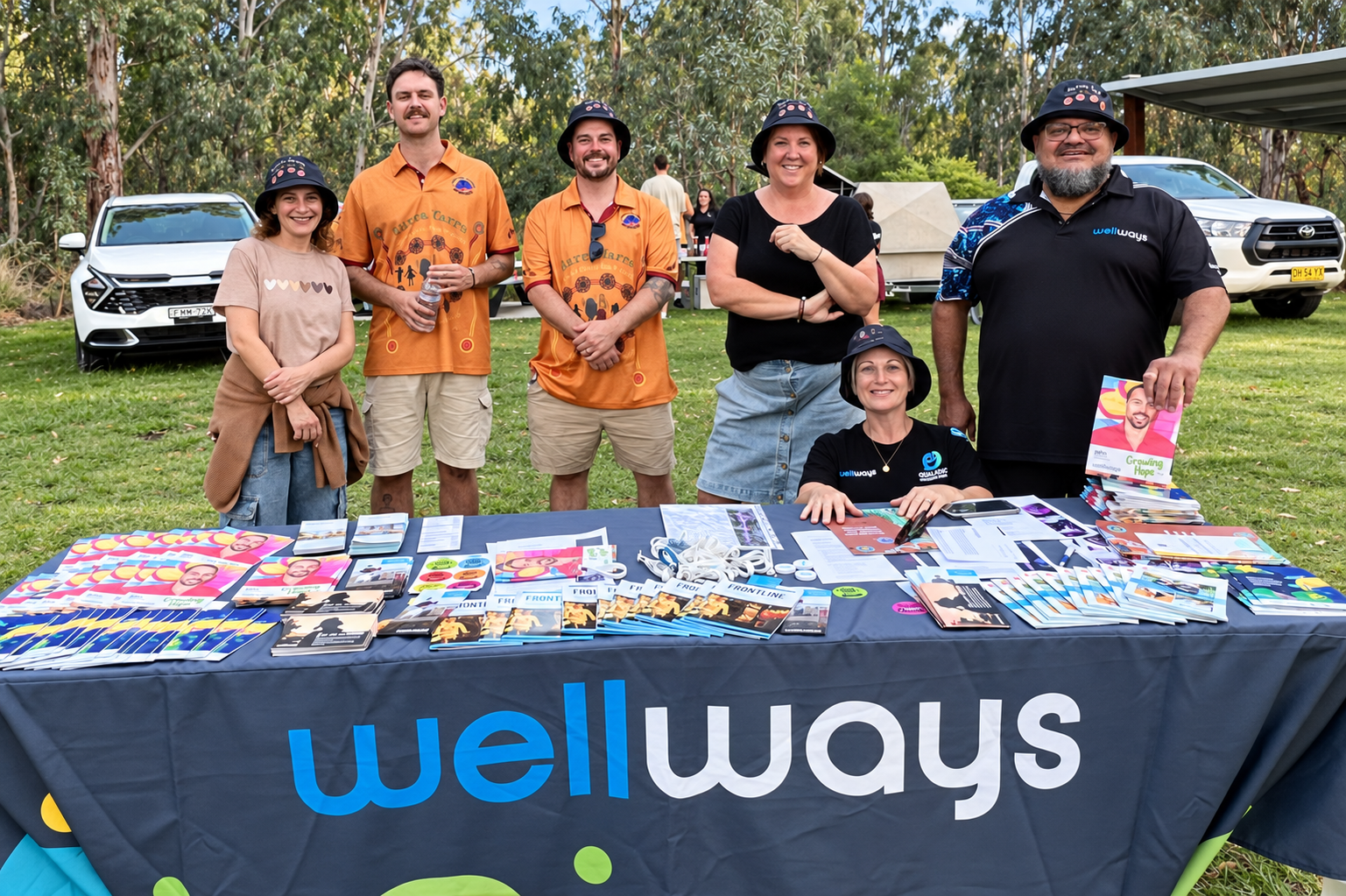
More ways to reach people when they need support most
In 2025-2026 MPHN expanded its Universal Aftercare service. While aftercare support has existed in the Murrumbidgee for several years, people previously generally needed to come into contact with Local Health District clinical mental health services to access it. Yet many people experiencing suicidal thoughts or following an attempt never present to hospital or specialist mental health services.
Community-led action on suicide prevention
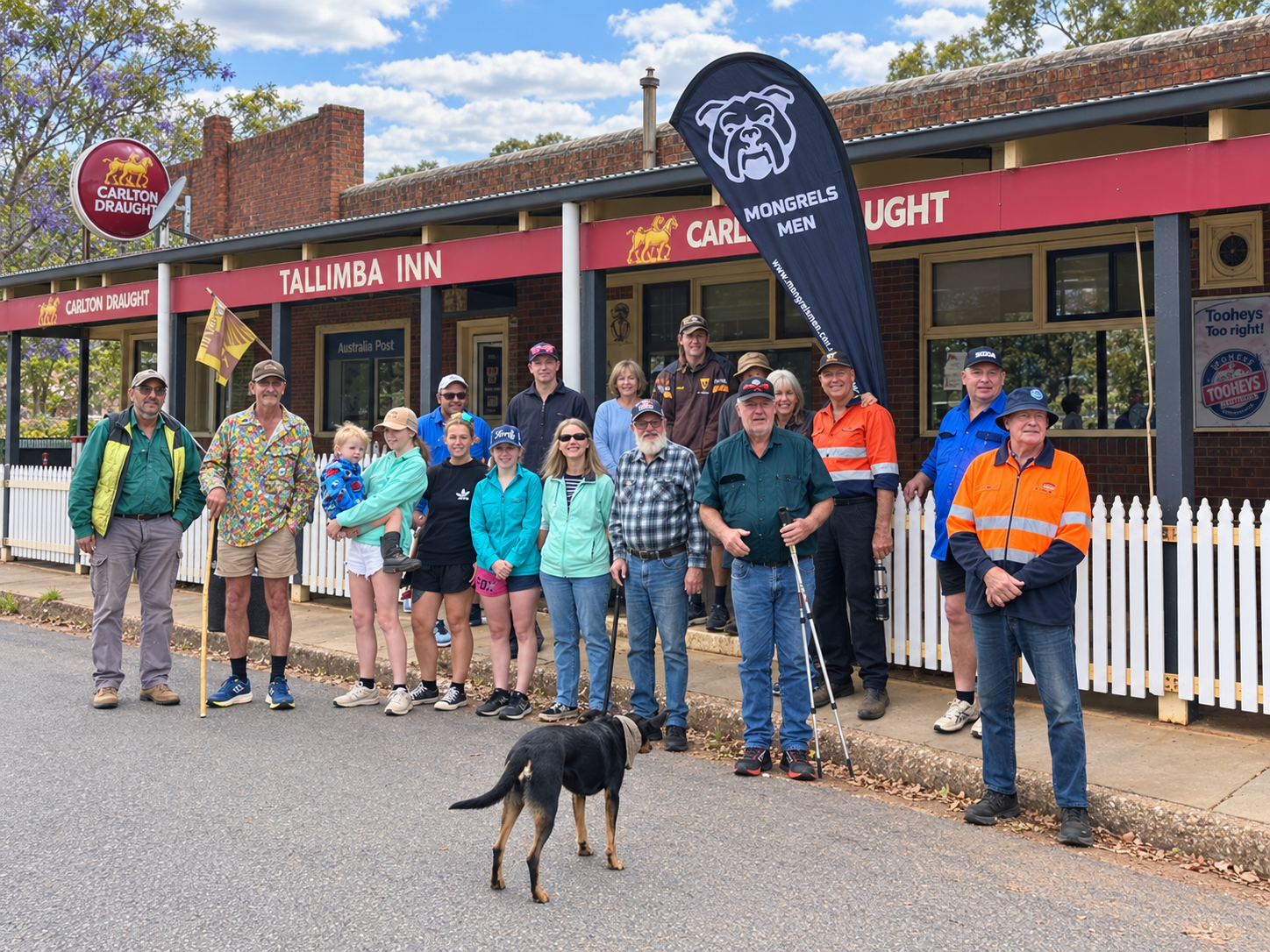
What strengthens mental wellbeing and suicide prevention in a school community can look very different to what works for farmers, sporting clubs or people living in a small rural town. That understanding was at the heart of MPHN’s Community Wellbeing and Suicide Prevention Grants in 2025-2026.
Building suicide prevention capability where people live and work
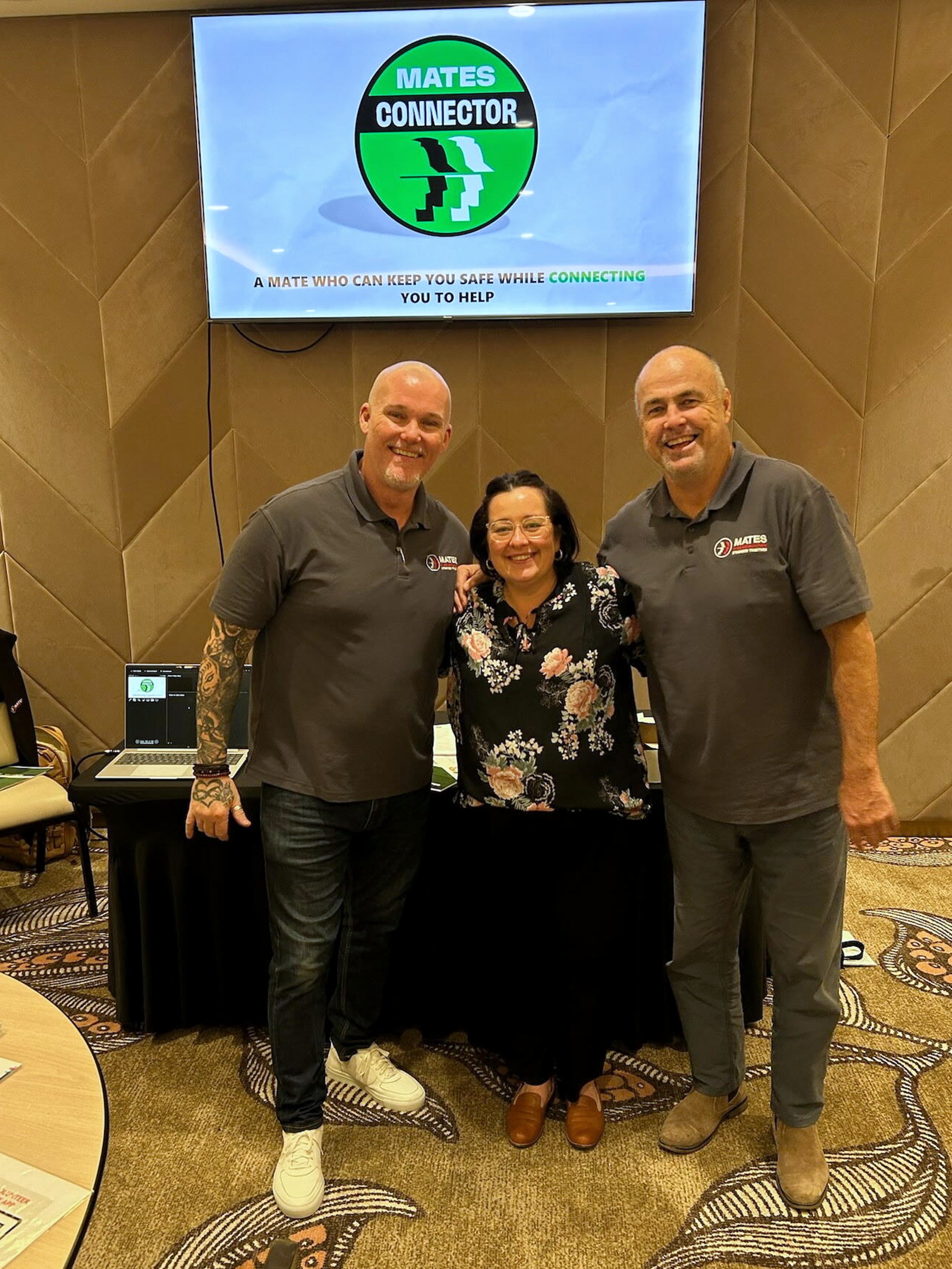
Sometimes the person who notices someone is struggling is not a mental health professional. It might be a pharmacist, workmate, teacher or community worker. During 2025-2026, Murrumbidgee Primary Health Network (MPHN) used Targeted Regional Initiatives for Suicide Prevention (TRISP) funding to take suicide prevention training into the places where people already live, work and connect.
After Suicide Support Program
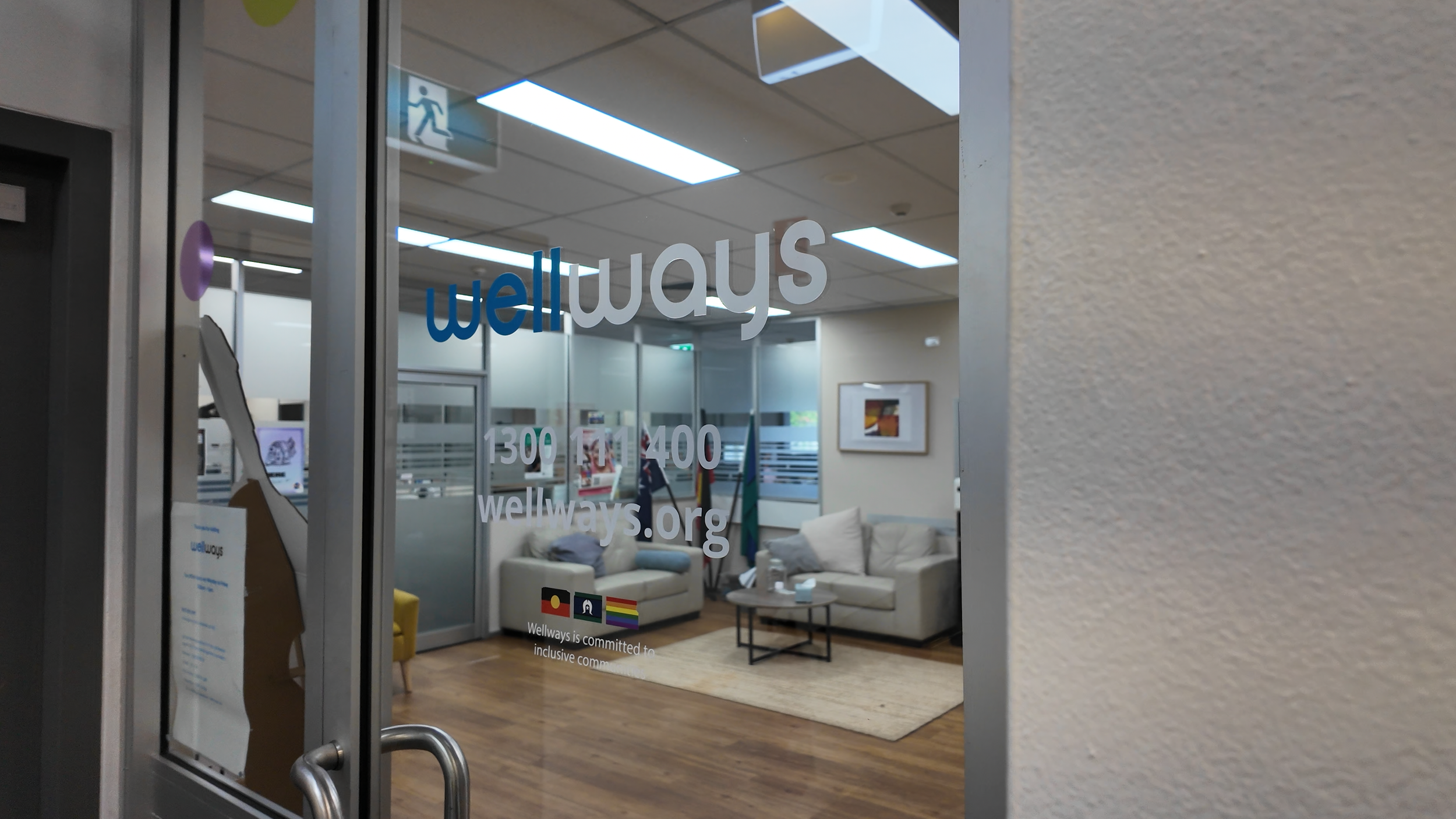
For people bereaved by suicide, support can mean many different things, including having someone beside you when returning to everyday life feels overwhelming. The Murrumbidgee After Suicide Support Program (ASSP), delivered by Wellways, provides compassionate, practical and tailored support to individuals, families and communities impacted by suicide.
Wise + Well puts information within reach
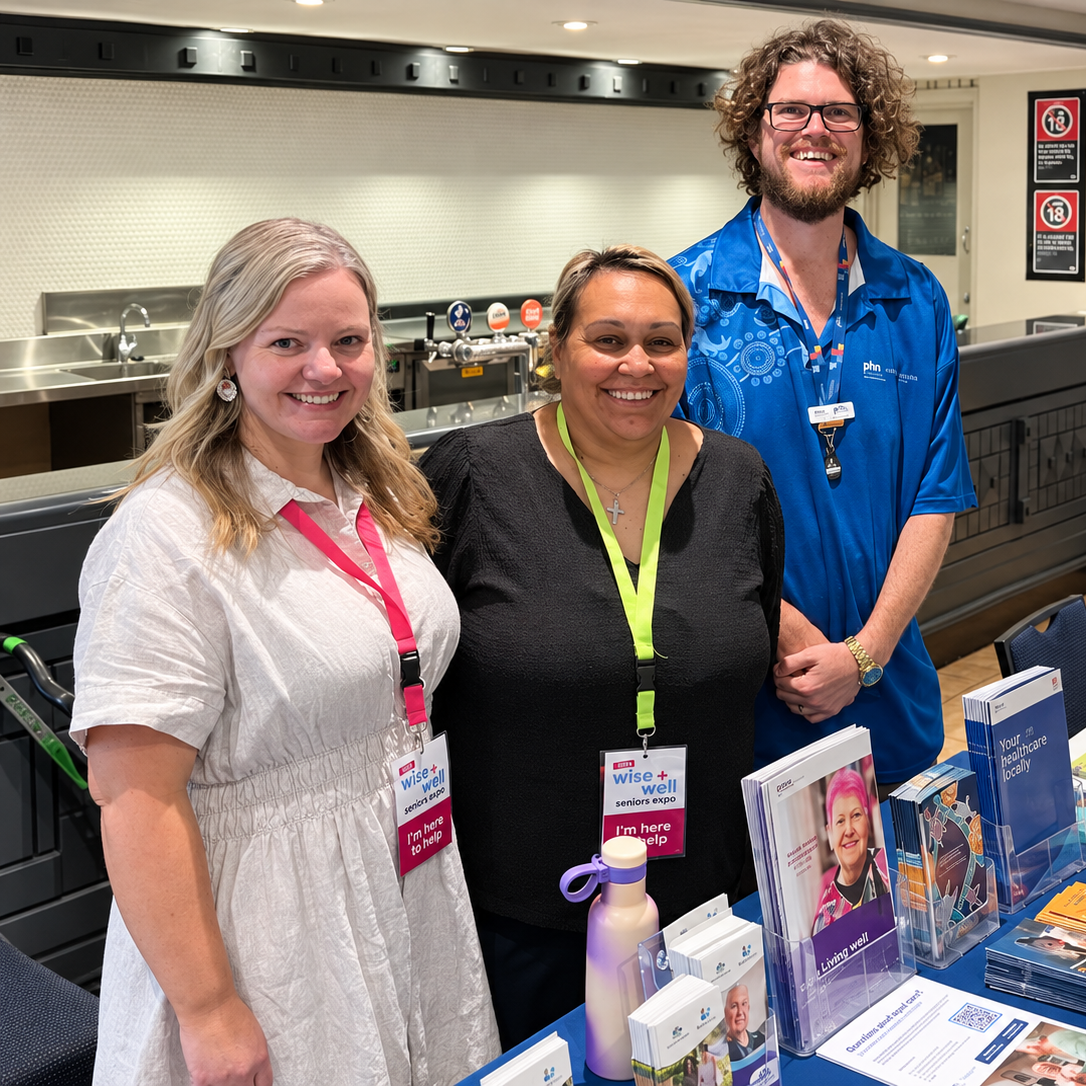
Navigating Aged Care and finding the right health and community supports can be challenging. The 2026 Wise + Well Seniors Expo made that process a little easier by bringing information, services and people together under one roof.
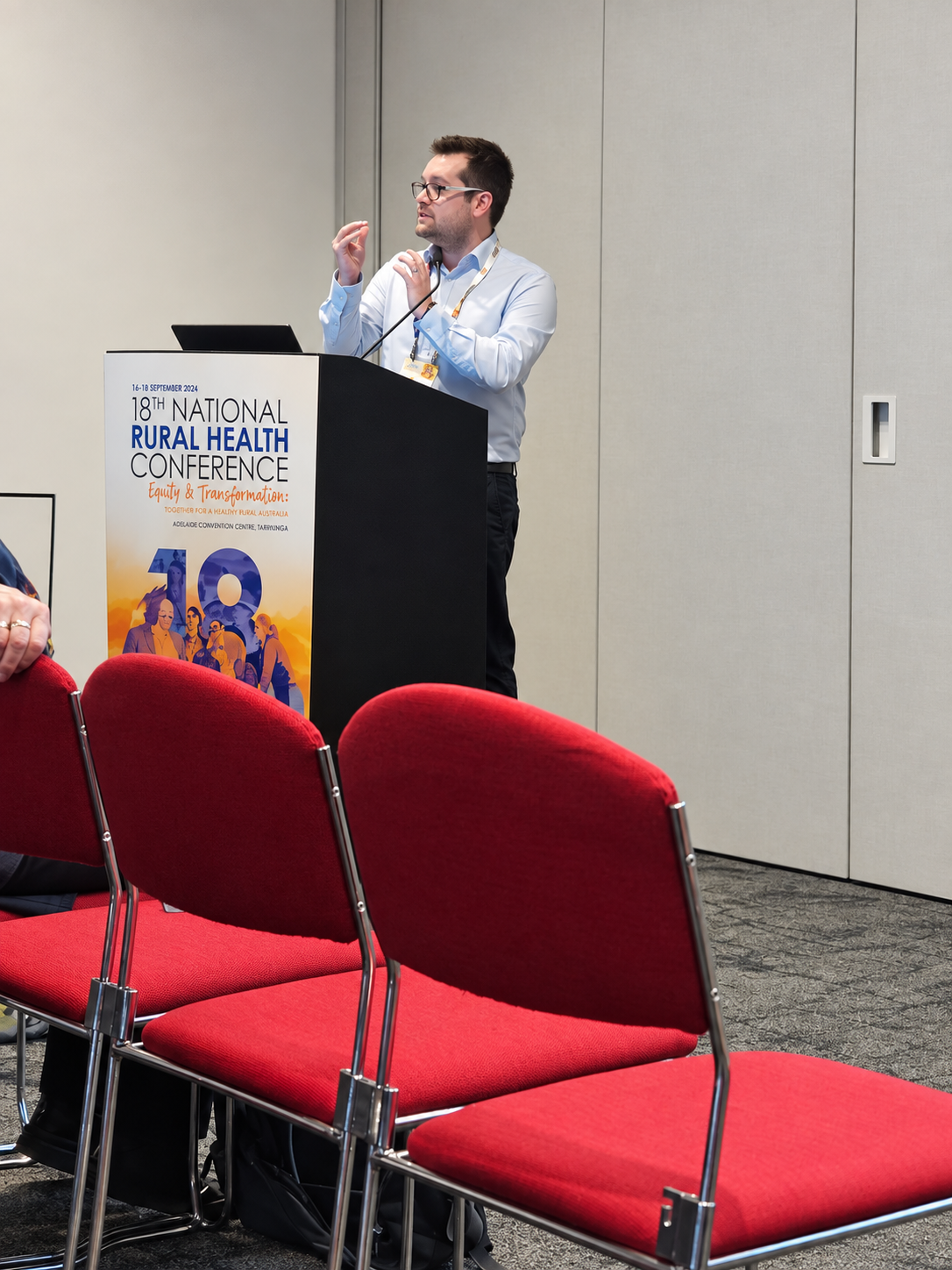
Taking Murrumbidgee health intelligence to the national stage
MPHN’s growing health intelligence capability is helping turn what the organisation knows about the Murrumbidgee into evidence that can shape healthcare locally and contribute to conversations nationally.
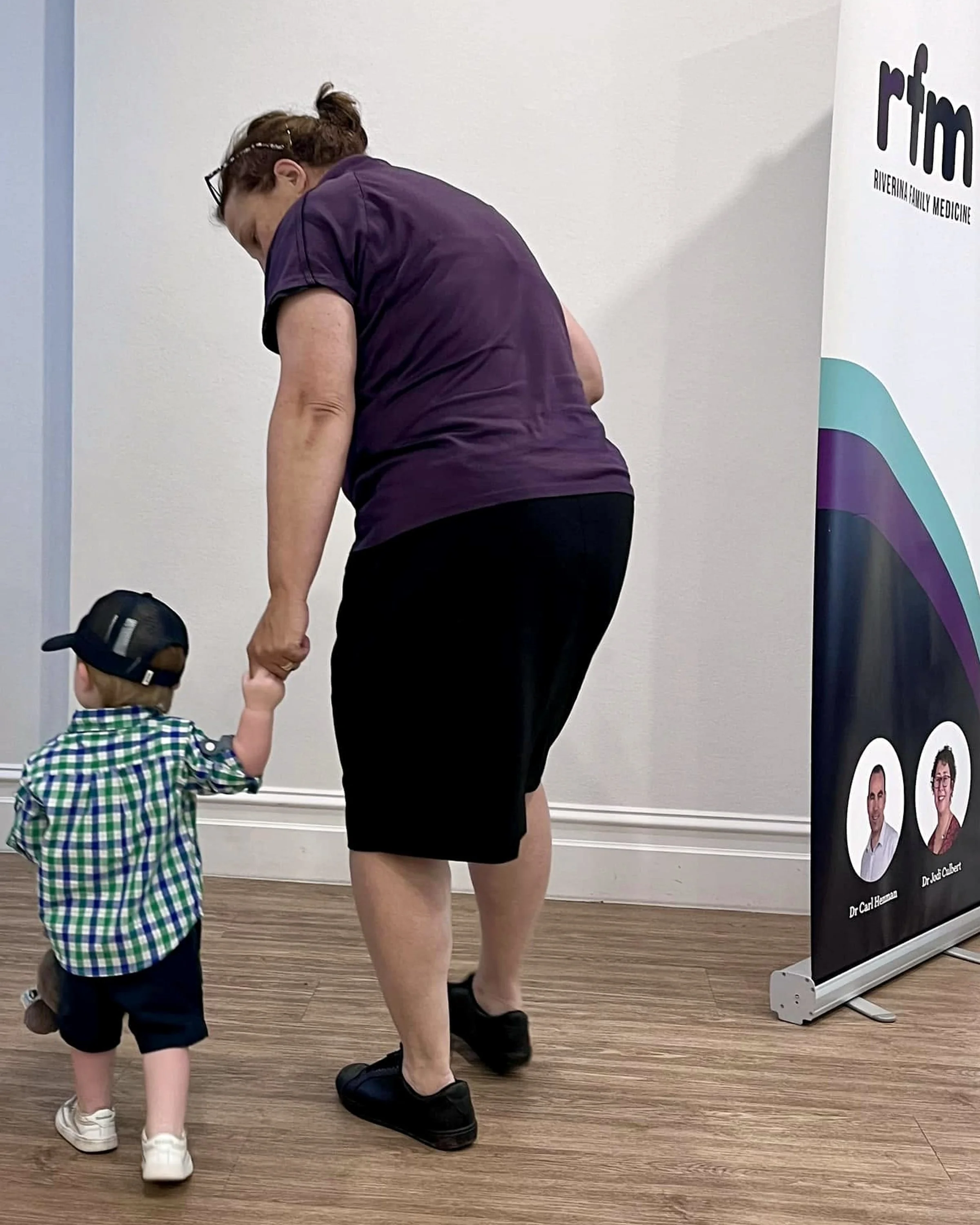
Preparing practices for flu season
Annual influenza vaccination is recommended for everyone aged six months and over, unless contraindicated, with free vaccines are available through the National Immunisation Program for people at higher risk. With influenza vaccination advice updated each year, ensuring providers have timely access to current clinical information is an important part of supporting safe and effective immunisation.
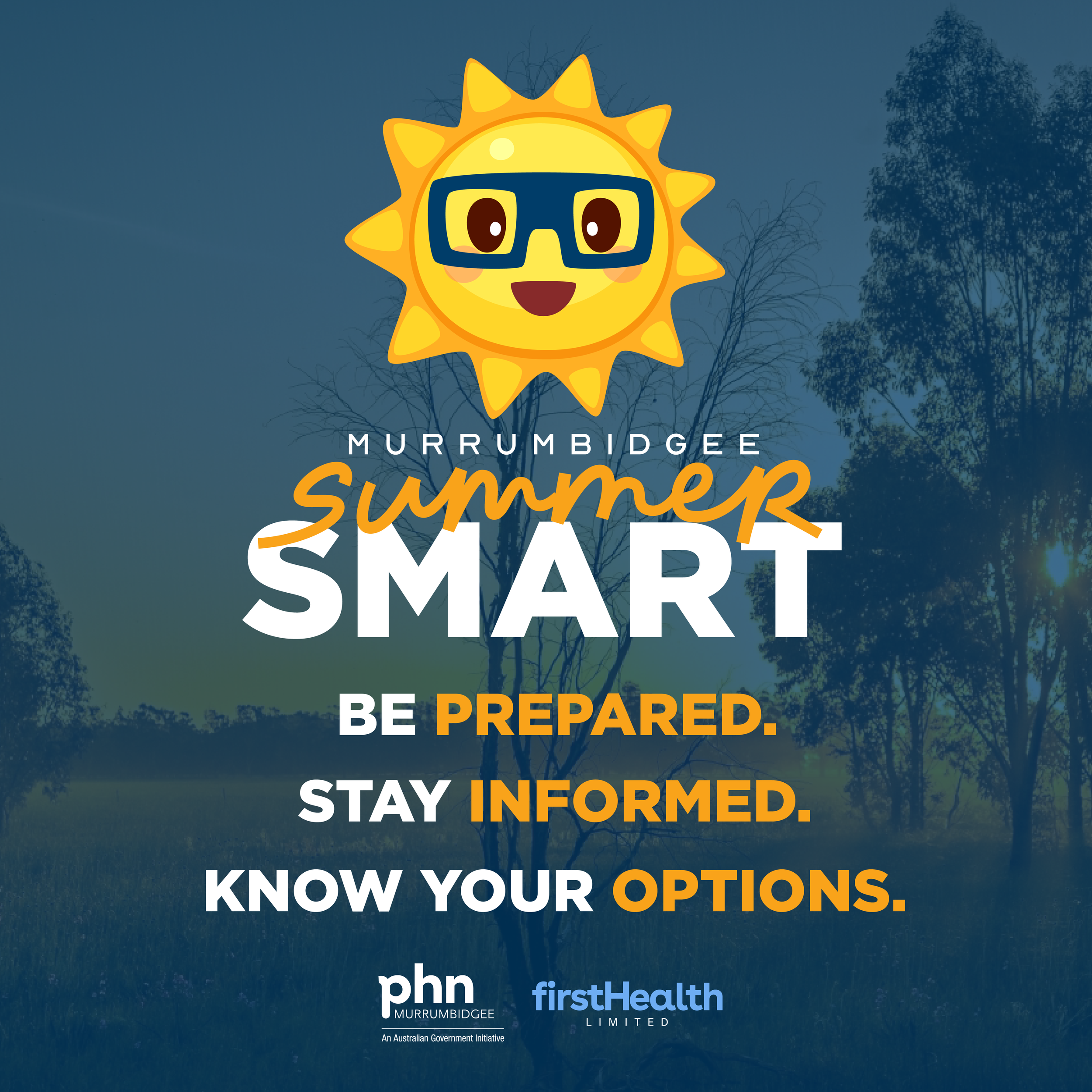
Summer Smart helps Murrumbidgee prepare for extreme conditions
In 2025–2026, MPHN brought health, preparedness and emergency information together through Murrumbidgee Summer Smart.