NSW Companion Card online information session for health professionals
The Department of Communities and Justice (DCJ) will be holding a free online information session for health professionals about the NSW Companion Card.
The purpose of the session is to provide information and guidance for you as health professionals; and to clarify Companion Card eligibility so you can provide the right supporting information when your patients/clients wish to apply.
Registration
To join this information session please register via this link https://events.teams.microsoft.com/event/66af769b-7200-404e-9e3c-ac73c1f0b64d@7a0c818f-8d7f-448b-aaa3-fa08614f94ff?source=copyLinkLegacyShareEventDialog
Recording the session
A recording will be made available afterwards.
Please note that DCJ will also hold a separate online information session for people with disability, their families and carers, and disability support organisations on 14 October 2026.
Blue Knot Foundation: Recognising and Responding to Complex Trauma for GP's and Primary Care Providers (Virtual Classroom)
This training focuses on building trauma-informed awareness and support for general practitioners and primary care providers to
recognise complex trauma and its possible health presentations.
Developing an understanding of the types, prevalence, adaptations to and impacts of complex trauma
Identifying possible adult health presentations of complex trauma
Recognising symptoms and signs with a trauma-informed lens
Determining strategies for working with clients who have experienced complex trauma in short-form consultations, to enhance safety and
minimise re-traumatisation.
Cost: $230.00 incl. GST
Register here: https://blueknot.arlo.co/w/events/117-recognising-and-responding-to-complex-trauma-for-gps-and-primary-care-providers/3513
Supporting quality, connected early childhood developmental care in the community – A Community of Practice event
Join us for an engaging Community of Practice meeting in Leeton, bringing together healthcare professionals to explore neurodevelopmental screening in primary care and learn about local supports available for children and families. This interactive session will provide practical strategies for identifying common developmental concerns in early childhood, navigating referral pathways, and connecting families with appropriate services.
Who is this for? GPs, allied health, nursing, and other health service providers in the community. Places are limited, please register early.
Presented by:
Dr Lahiru Amarasena MBBS, FRACP, MIPH
Community Paediatrician and Lead, Enhancing Paediatrics in Primary Care Program, Murrumbidgee
Jaime-Lee Bray, Paediatric Health Linker, Marathon Health
WARATAH for Kids Program
What’s on the agenda?
Neurodevelopmental screening in primary care: recognising neurodevelopmental and behavioural conditions in early childhood and implementing screening
Supporting children and families through local services
Case-based learning and discussion
Register by 15 October 2026 at https://www.stickytickets.com.au/KYFKDW
This is a self-reporting CPD event.
This is a free event. Proudly supported by the Leeton Collaborative Care Project. Connecting local health providers to support children and families.

Heart Foundation: Planetary Health and the Heart: Environmental Risks and Cardiovascular Health
Can addressing environmental risk factors support cardiovascular disease prevention?
From extreme heat, flash floods and bushfire smoke to air pollution and climate change, environmental factors are having an increasing impact on cardiovascular health. As evidence continues to emerge, there is growing recognition of the role these factors play in cardiovascular disease and the opportunities for prevention and action.
Join the Heart Foundation and CSANZ for Planetary Health and the Heart: Environmental Risks and Cardiovascular Health, an expert-led webinar exploring the connection between environmental exposures and cardiovascular disease, and practical opportunities to support both patient and planetary health.
Webinar: Understanding the new Medicines, Poisons and Therapeutic Goods framework
The Medicines, Poisons and Therapeutic Goods Act 2022 and Medicines, Poisons and Therapeutic Goods Regulation 2026 will commence on 5 November 2026, replacing NSW's current medicines and poisons legislation.
NSW Health is hosting a webinar for medical practitioners to explain the key changes and what they mean for prescribing practice.
Topics will include NSW Health approval requirements, changes to the NSW Opioid Treatment Program (OTP), mandatory standards and guidance documents, and practical steps to prepare for commencement.
Date: Wednesday 28 October 2026
Time: 6:30 pm to 7:30 pm (AEDT)
Who should attend: Medical practitioners working in general practice, hospital, residential care, correctional health and other practice settings
I-ASIST FREE Suicide Prevention Skills Training for First Nations (Griffith)
Indigenous Applied Suicide Intervention Skills Training I-ASIST provides a culturally relevant framework for participants to learn how to use a unique 6 task model to provide a suicide first aid intervention, work with someone to develop a personalised safety plan to keep safe for now and connect with further help. This course has been developed by Indigenous people with Indigenous facilitators, to provide culturally appropriate suicide prevention training.
I-ASIST is for Indigenous workforces, people who work with Indigenous communities, as well as schools, community groups, and sports clubs. Virtually anyone age 16 or older, regardless of prior experience or training, can become an I-ASIST trained helper
During the two-day interactive workshop, participants learn through powerful audio-visual learning aids, group yarns, skills practice and development through trainer-facilitated workgroups. Participants in I-ASIST:
Learn the skills to provide a suicide first-aid intervention
Work to develop a personalised safety plan for someone with thoughts of suicide to keep “safe-for-now”
Connect the person with thoughts of suicide to further help
Acquire skills in an evidence-based intervention model, with the assistance of two LivingWorks registered I-ASIST trainers
Griffith
29-30 October 2026
Venue: Griffith Exies: 6-12 Jondaryan Avenue Griffith
Time: 8.30am-4.30pm
Morning tea, lunch and afternoon tea will be provided
Places are limited Maximum 30
Healthdirect Australia: Contraception Options Finder webinar for health professionals – session 1

Please join us for an information session to launch the Contraception Options Finder, a new tool to help people access trusted information about contraception.
Agenda:
Welcome and introductions
About the tool and why it matters
What it does and doesn't do
What it means for you and your community
Q&A
Healthdirect Australia: Contraception Options Finder webinar for health professionals – session 2

Please join us for an information session to launch the Contraception Options Finder, a new tool to help people access trusted information about contraception.
Agenda:
Welcome and introductions
About the tool and why it matters
What it does and doesn't do
What it means for you and your community
Q&A
2026 Rural Mental Health Conference
The Rural Mental Health Conference 2026 (RMHC26) unites those working across regional, rural and remote Australia to improve mental health, wellbeing and recovery.
Join us for three days on the Gold Coast and engage in practical learning and honest, solutions-focused conversations grounded in real rural experience.
RMHC26 is designed to strengthen capability, improve pathways and support place-based solutions that work in community.
Learn more and register here: https://anzmh.asn.au/rmhc
Free Medicare Mental Health Check In webinar
Join the Department of Health, Disability and Ageing for a free webinar on Medicare Mental Health Check In, an online service for people experiencing mild mental health challenges.
The service helps people build practical skills, confidence, and improve their mental health through Low-intensity Cognitive Behavioural Therapy (LiCBT).
The webinar will help health professionals better understand:
how Medicare Mental Health Check In works
which patients may benefit from the service
the evidence behind LiCBT
referral pathways and integration with clinical care
patient safety, privacy and risk management processes.
The session will also include practical examples, patient journey insights and a live Q&A with experts from the department and St Vincent’s Health Australia.
Date: Wednesday, 4 November 2026
Time: 1-2pm
Register today.
The webinar will be recorded for those unable to attend live.
Respiratory Tips for Primary Care with Professor Tara Mackenzie (Wagga Wagga)
Join Professor Tara Mackenzie in Wagga Wagga for an evening of respiratory medicine updates, discussion and dinner. The session will explore approaches to managing complex asthma and key developments in respiratory medicine for 2026.
Date: Thursday 5 November 2026
Time: 6:00 pm to 8:00 pm
Venue: International Hotel Wagga, corner of Sturt Highway and Lake Albert Road, Wagga Wagga
What you’ll learn
Approaches to managing complex asthma
Important updates and key aspects of respiratory medicine in 2026
Program
TimeActivity6:00 pmArrival and registration6:15 pmEntrée6:45 pmPresentation with dinner7:30 pmQuestions and answers with dessert8:00 pmClose
About Professor Tara Mackenzie
Professor Mackenzie is a consultant respiratory physician who has worked in Wagga Wagga for 20 years. She has held hospital, state and national roles in medical education and specialist training, and is currently Chair of the HETI Physician Training Council. She is committed to the wellbeing of regional and rural patients.
RSVP
To reserve your place or ask a question about the event, contact Liz Sowter at eaprofmackenzie@riverinarespiratory.com.au or 0418 292 417.
Online: Practice Network Meeting
MPHN’s Practice Network Meeting is a monthly, one‑hour lunchtime catch‑up — your knowledge break. Open to everyone working in general practice, these sessions welcome GPs, practice managers, nurses, administrative staff, GP registrars, and medical students.
The meetings provide a relaxed, collaborative space to share updates, learn together, and stay connected. Each session covers a mix of administrative, operational, and clinical topics, with plenty of time for discussion, questions, and sharing ideas from across the Murrumbidgee network.
It’s a great opportunity to stay up to date with primary health care news, explore current hot topics, and connect with colleagues and peers throughout the Murrumbidgee region.
ASHM: Strengthening STI and BBV Prevention through Nursing Practice
Speakers:
Mark Thompson | Nurse Practitioner | Thorne Harbour Health
Shannon Woodward | Nurse Practitioner | Canberra Sexual Health Centre
Learning Outcomes:
On completion of this course and its components, participants will be able to:
Describe current STI, BBV and HIV epidemiological trends in Australia, including priority populations and opportunities for prevention.
Explain the role of HIV PrEP as part of comprehensive STI and BBV prevention, including patient suitability, baseline assessment and ongoing monitoring.
Apply evidence-based, culturally safe strategies to support patient education, shared decision-making and referrals for STI, BBV and HIV prevention in nursing practice.
Resident-to-Resident Aggression in Aged Care Course
Resident-to-resident aggression is one of the most common yet least understood causes of harm in residential aged care. It challenges clinicians to balance safety, autonomy, dignity, risk and quality of life in an environment where simple solutions rarely exist.
This unique short course brings together nationally recognised experts in aged care medicine, psychiatry, pharmacy, dementia design, forensic psychology, law, governance, policing and public policy to explore the clinical, ethical and organisational realities of resident-to-resident aggression. At the micro-level we will examine how we may prevent aggression through environmental design and dementia-supportive care; exploring the benefits and limitations of pharmacological interventions; when to seek help from specialist services and what to expect, the role of police and emergency responses. At a macro-level we explore the potential for risk assessment and violence prevention, understanding governance, legal and organisational consequences and reflect on policy reform, regulation and unintended consequences.
The Australian Centre for Evidence Based Aged Care is offering an important workshop—Navigating resource constraints in geriatric medicine—to be held on Friday 13th November 2026 from 9:00 am – 5:00pm at La Trobe University City Campus, 360 Collins Street, Level 3 Room 3.08, Melbourne VIC 3000.
Learn from our expert faculty comprising Professor Simon Bell (geriatric pharmacology and medication safety), Associate Professor Stephen Macfarlane (aged psychiatry and Dementia Support Australia), Professor Michael Daffern (forensic behavioural science and violence prevention), Kirsty Bennett (dementia-supportive design and the built environment), Dr Briony Jain (resident-to-resident aggression research and policy translation), Mr Chris Lee (Victoria Police and elder abuse prevention) and Jo Hall (ethics, governance and health law). The mode of learning is through didactic presentations and participant discussions to share insights. This is an important workshop for medical specialists in Geriatric and General Medicine. It is relevant to clinicians, managers, leaders, and policy-makers who work in Victoria and across Australia. Attend in person or online. Places are limited to enhance the learning experience.
Cost: $1250 incl. GST
Registration close: Thursday 6 November 2026
Morning tea and lunch provided
Register here: https://pay.latrobe.edu.au/EvProvost/booking?e=PRO_EV384
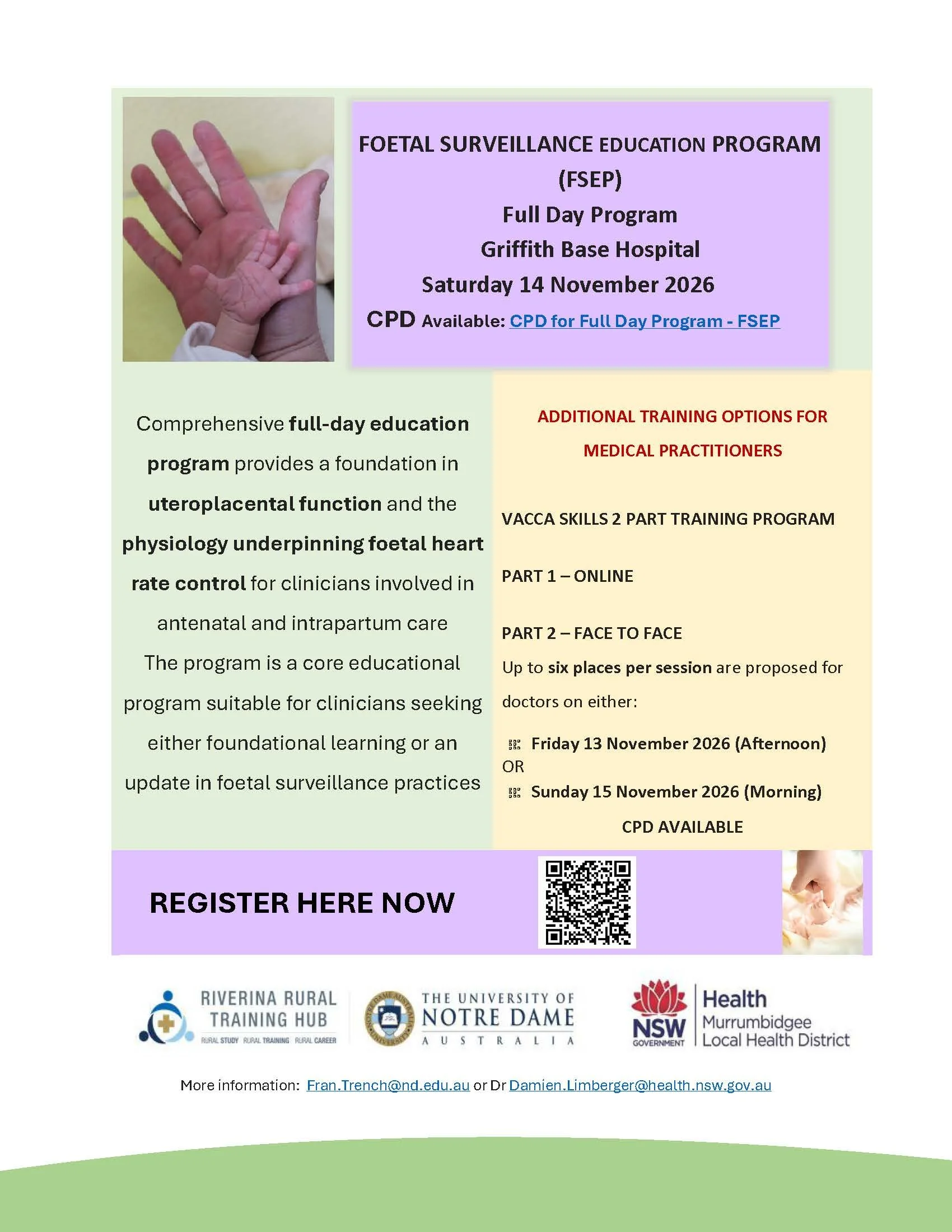
NSW Agency for clinical innovation presents: Transition Care Network showcase event
This event is for consumers and staff involved in the care of young people with chronic conditions who transition from paediatric to adult health care.
Rheumatology Today: Practical Knowledge for Primary Care
Join us for an engaging and practical education session and dinner designed to support primary care clinicians in the assessment, investigation, and management of common rheumatological conditions.
This session will provide an update on current developments in rheumatology and explore the important role of general practice in the early identification, monitoring, and ongoing management of patients with autoimmune and inflammatory conditions.
Participants will gain confidence in, initiating appropriate investigations, and supporting patients while awaiting specialist review.
Who is this for? Whether you are a GP, registrar, nurse, or allied health professional with an interest in chronic disease management, this session will provide valuable, evidence-informed knowledge to support patient care in the primary care setting.
Key learning objectives:
When is arthritis not arthritis? Inflammatory arthropathies and starting RA treatment before rheumatology review
The current immunobiologic landscape and the GP’s role in monitoring for adverse effects
Guest speaker:

Dr Elaine Ng, Rheumatologist, Riverina Rheumatology
Dr Elaine Ng is a consultant rheumatologist working in Riverina Rheumatology, a private practice that opened in Wagga Wagga in June 2026. She completed her rheumatology training in Sydney across Royal Prince Alfred, Concord and Liverpool Hospitals and BJC Health, and then worked as a Staff Specialist (Locum) at Royal Prince Alfred Hospital as well as in private practice in BJC Health Chatswood. Dr Ng has been nominated for a clinical lecturer appointment in the Wagga Wagga Rural Medical School UNSW, and regularly teaches medical students. She is committed to improving timely access to rheumatology care for patients across the Riverina.
Register by Thursday 12 November at https://www.stickytickets.com.au/0NFNZF
Event includes dinner. ACRRM accreditation pending.
Online: Practice Network Meeting
MPHN’s Practice Network Meeting is a monthly, one‑hour lunchtime catch‑up — your knowledge break. Open to everyone working in general practice, these sessions welcome GPs, practice managers, nurses, administrative staff, GP registrars, and medical students.
The meetings provide a relaxed, collaborative space to share updates, learn together, and stay connected. Each session covers a mix of administrative, operational, and clinical topics, with plenty of time for discussion, questions, and sharing ideas from across the Murrumbidgee network.
It’s a great opportunity to stay up to date with primary health care news, explore current hot topics, and connect with colleagues and peers throughout the Murrumbidgee region.
Connecting care: Rare cancers and regional Australia
Collaboration, telehealth and community partnerships in improving equitable access to care. Regional and rural Australians living with a rare or less common cancer face unique barriers to diagnosis, treatment and supportive care. Drawing on findings from Rare Cancers Australia's Lived Experience Survey, this forum explores disparities in access, highlights the role of consumer-led advocacy in driving change, and showcases practical solutions.
Topics covered will include:
Presentation of Rare Cancers Australia Lived Experience survey results
Rare Cancers Australia, Specialist Cancer Navigator as an example of consumer-led change
Access to the ARC portal, RCA Knowledgebase and Medicines Access Portal
Telehealth supportive care models
Delays to diagnosis and referral to supportive care
Working with community
This series has been made possible by the Cancer Patient Support Program, an Australian Government initiative.
Learn more and register here: https://vcccalliance.org.au/news-and-events/events/connecting-care-rare-cancers-and-regional-australia

Career Counselling Webinar: Sustaining fulfilment in General Practice - Choices, Change & Contentment
Date: Tuesday, 20 October 2026
Time: 6:00 pm AEDT
Presenter: Dr Ashe Coxon (MBBS, FRACGP, DCH, MClinEd, Grad Cert Career Development, AFANZAHPE), is a General Practitioner and career counsellor and is the founder of Medical Career Planning.
Topic: Sustaining fulfilment in General Practice - Choices, Change & Contentment
Registration Link: https://us02web.zoom.us/webinar/register/WN_PlewhokyTImJr7YNHNVVYg
Please register in advance. After registering, you will receive a confirmation email containing information about joining the webinar.
Overview
This session will provide an opportunity to explore career pathways and consider future options in general practice.
General Practice offers a uniquely varied and rewarding career, but career satisfaction does not often happen by accident. Instead it evolves over time and requires active involvement, reflection, choice and flexibility.
This session will explore how GPs and GP registrars can sustain fulfilment and contentment throughout their careers. We will look at the common factors that influence career satisfaction, the wide range of career options available within and alongside General Practice, and how careers can be shaped to reflect individual values, strengths and preferences.
Participants will be encouraged to reflect on what helps them thrive at work, recognise early signs of dissatisfaction or burnout, and develop confidence in navigating career change or adaptation when needed. The session will also introduce practical frameworks and resources to support career decision-making, helping GPs feel more in control of their career direction and better equipped for a long, satisfying career in General
Learning Objectives:
Recognise common drivers of career dissatisfaction in General Practice
Understand the breadth of career options within and alongside General Practice
Reflect on their own values, strengths and interests
Identify early signs of career dissatisfaction and burnout
Apply a simple framework for career decision-making
Develop confidence that career change or adaptation is normal and acceptable
Identify practical next steps and resources
OTEP webinar: Navigating the New OTP Prescriber's Guide
The Opioid Treatment Program Education Program (OTEP) is hosting a webinar on the new OTP Prescriber's Guide. The session will provide an overview of the guide and support prescribers to understand changes associated with the commencement of the new Medicines, Poisons and Therapeutic Goods framework.
Medical practitioners involved in the treatment of opioid dependence are encouraged to attend.
Date: Tuesday 20 October 2026
Time: 6:00 pm to 7:00 pm
NSW Fall Prevention and Healthy Ageing Network Online Rural Forum
The NSW Fall Prevention and Healthy Ageing Online Rural Forum aims to showcase innovative programs and initiatives run which aim to prevent falls or improve the health of older people in rural LHDs.
Expressions of Interest are now open for abstracts to present at the Rural Forum to be held on October 16.
Please submit your abstract by COB Friday 18 September 2026. Successful applicants will be notified via email by Monday 28 September 2026.
Please submit your abstract by COB Friday 18 September 2026. Successful applicants will be notified via email by Monday 28 September 2026.
Who should attend:
Clinicians, Managers, Private Healthcare Providers, Community Exercise Program Providers and Residential Aged Care Providers.
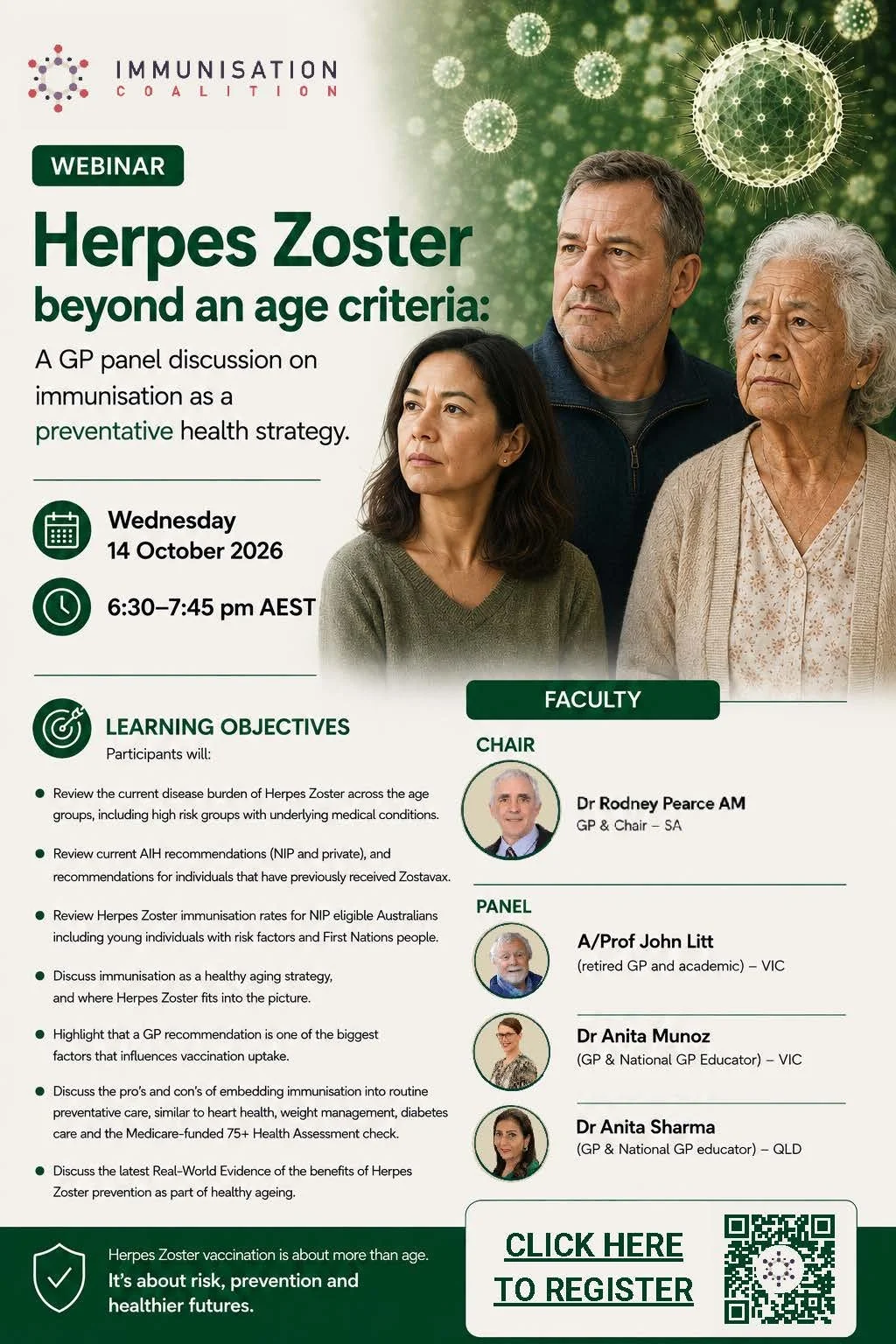
Early Diagnosis of Juvenile Idiopathic Arthritis (JIA)
GPs, registrars, specialists, including paediatricians and rheumatologists, nurses, and allied health professionals with a special interest in juvenile idiopathic arthritis (JIA) are invited to join this national webinar.
Guest speakers
Dr Amanda Marsden
MBBS, FRACP
Paediatric rheumatologist, Sydney Children’s Hospital Network, and lecturer in Child and Adolescent Health, University of Sydney
Dr Geneieve Thompson
MBBS, FRACGP
GP clinical editor
MC
Emma Richards
Physiotherapist and Project Manager, Juvenile Arthritis Foundation Australia (JAFA)
Topics
Key clinical signs and symptoms that should raise suspicion of JIA
Differentiating common presentations of JIA from other causes of musculoskeletal pain and dysfunction seen in primary care
Referral processes and multidisciplinary support services
Practical use of HealthPathways, including clinical and referral pathways
This is a self-reporting CPD event.
Register now at https://us02web.zoom.us/webinar/register/WN_kjCLfdgVQQ6clJLf5CVemw
Online: Practice Network Meeting
MPHN’s Practice Network Meeting is a monthly, one‑hour lunchtime catch‑up — your knowledge break. Open to everyone working in general practice, these sessions welcome GPs, practice managers, nurses, administrative staff, GP registrars, and medical students.
The meetings provide a relaxed, collaborative space to share updates, learn together, and stay connected. Each session covers a mix of administrative, operational, and clinical topics, with plenty of time for discussion, questions, and sharing ideas from across the Murrumbidgee network.
It’s a great opportunity to stay up to date with primary health care news, explore current hot topics, and connect with colleagues and peers throughout the Murrumbidgee region.
Trust In Integrated Care: Building Trust into Care and Health Systems (Part Two)
Co-delivered by IFIC Australia and IFIC Ireland.
The second in a two-part webinar series on trust in integrated care, exploring how continuity, relationships, service design and system change can help build and rebuild trust across care and health systems.
Using the experiences of children with medical complexity and their families, this webinar will explore how trust develops over time through continuity, relationships and repeated interactions with services. It will provide practical guidance on developing trust companions: consistent people who help connect care across services and provide continuity throughout a person’s care journey.
Participants will explore how to:
assign clear responsibility for building and maintaining trust;
create continuity across teams, services and transitions;
design roles, processes and models of care that support trusting relationships;
identify and change system practices that undermine trust, including how trust can be repaired when it is lost.
By the end of the two webinars, participants will be able to:
recognise where trust is being built or eroded across a person’s care journey;
apply practical trust-building behaviours in conversations, decisions, handovers and transitions;
strengthen continuity and coordination through trusted relationships and trust-companion roles;
develop a trust recipe that responds to the changing needs of a person, family or care situation.
Learn more and register here: https://integratedcarefoundation.org/events/building-trust-into-care-and-health-systems
Mental Health Support Skills Workshop (Leeton)
This workshop is open to Leeton Shire community members. It is designed to provide attendees with awareness of mental health conditions and effective support skills to build strength and resilience within our community.
The workshop is facilitated by the Rural Adversity Mental Health Program (RAMHP) and co-hosted by Rotary Club of Leeton Inc and the Leeton Collaborative Care Project.
Who Should Attend?
Community service organisation members
Sporting club representatives
Schools and education staff
Local businesses and employers, especially agribusiness
Community volunteers
Local government staff
Interested community members
Event Details
Date: Session 1: Tuesday 29th September | Session 2: Wednesday 30th September
Time: 8:30am - 1:00pm
Location: Hydro Hotel Leeton | Dining Room
Inclusions: Workbook, morning tea and networking lunch.
Cost: Free - registration required. Limited spots
Register here: https://collaborativecare.au/leeton/mental-health-support-skills-workshop
Sharing Complexity: Hard Cases, Real Strategies for Palliative Care in Rural, Remote and Primary Practice Online workshop ANZSPM
Every clinician delivering palliative care in a community setting understands the uncertainties and inherent limitations. A patient clearly in their last months. Specialist palliative care may be limited, or available only by phone. Pharmacy access may be patchy. Practical in-home supports could be scarce. Everyone understands what is needed, but the roles, funding and responsibility for coordinating care remain unclear. Everybody does their best. Nobody is quite sure whose job it was.
These challenges sit at the intersection of ANZSPM’s Rural and Remote Palliative Medicine SIG and General Practice SIG.
The upcoming joint workshop, Sharing Complexity, is deliberately not a lecture. It is designed to accelerate a decade-long conversation forward, catalysed by increased awareness of current demands and shortcomings - as highlighted in recent statewide reports from Victoria and South Australia, for example.
Three short, challenging clinical cases from clinicians providing palliative care in the community provides the springboard for a facilitated panel and interactive floor discussion involving representatives from GP colleges, RACP, primary health networks and Aotearoa New Zealand.
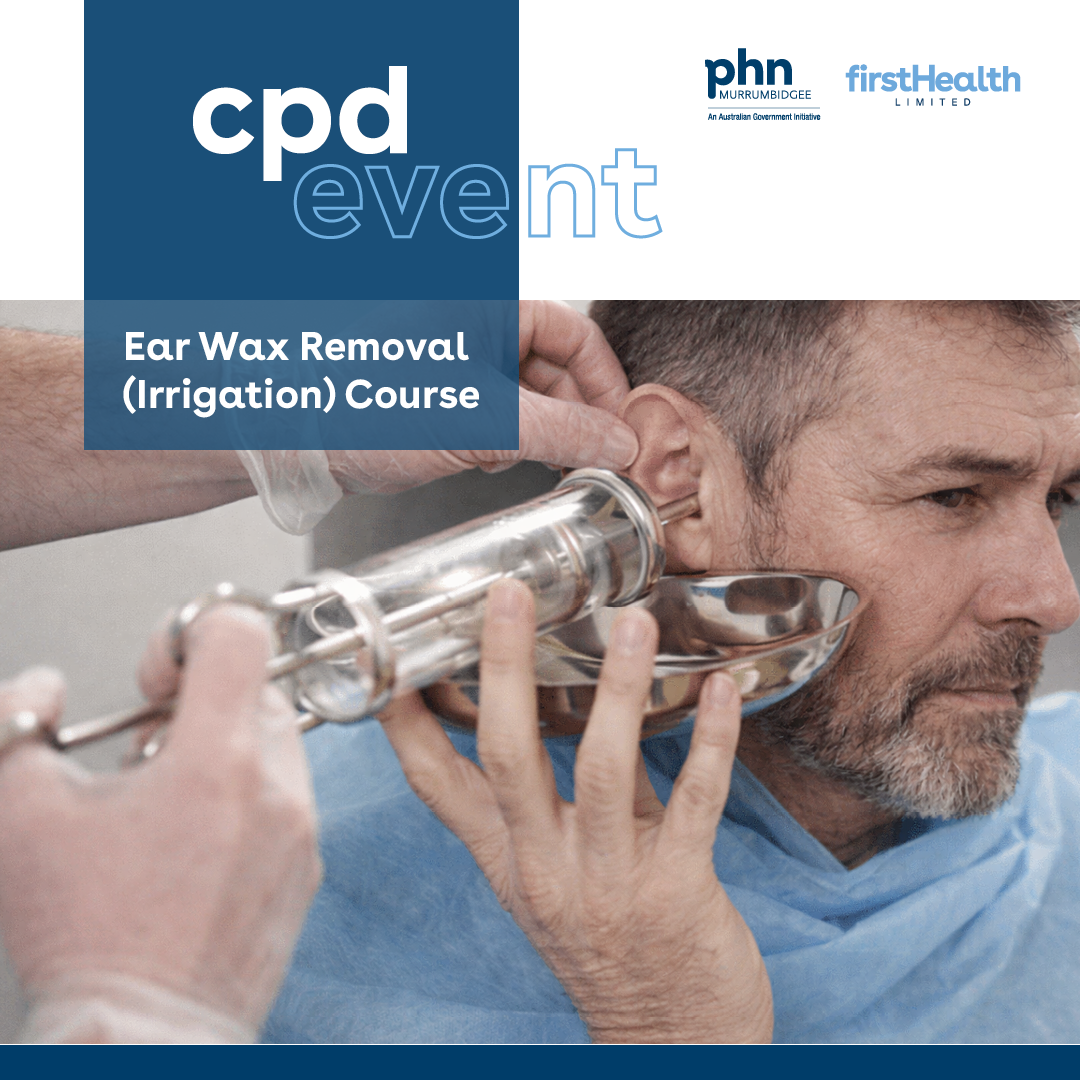
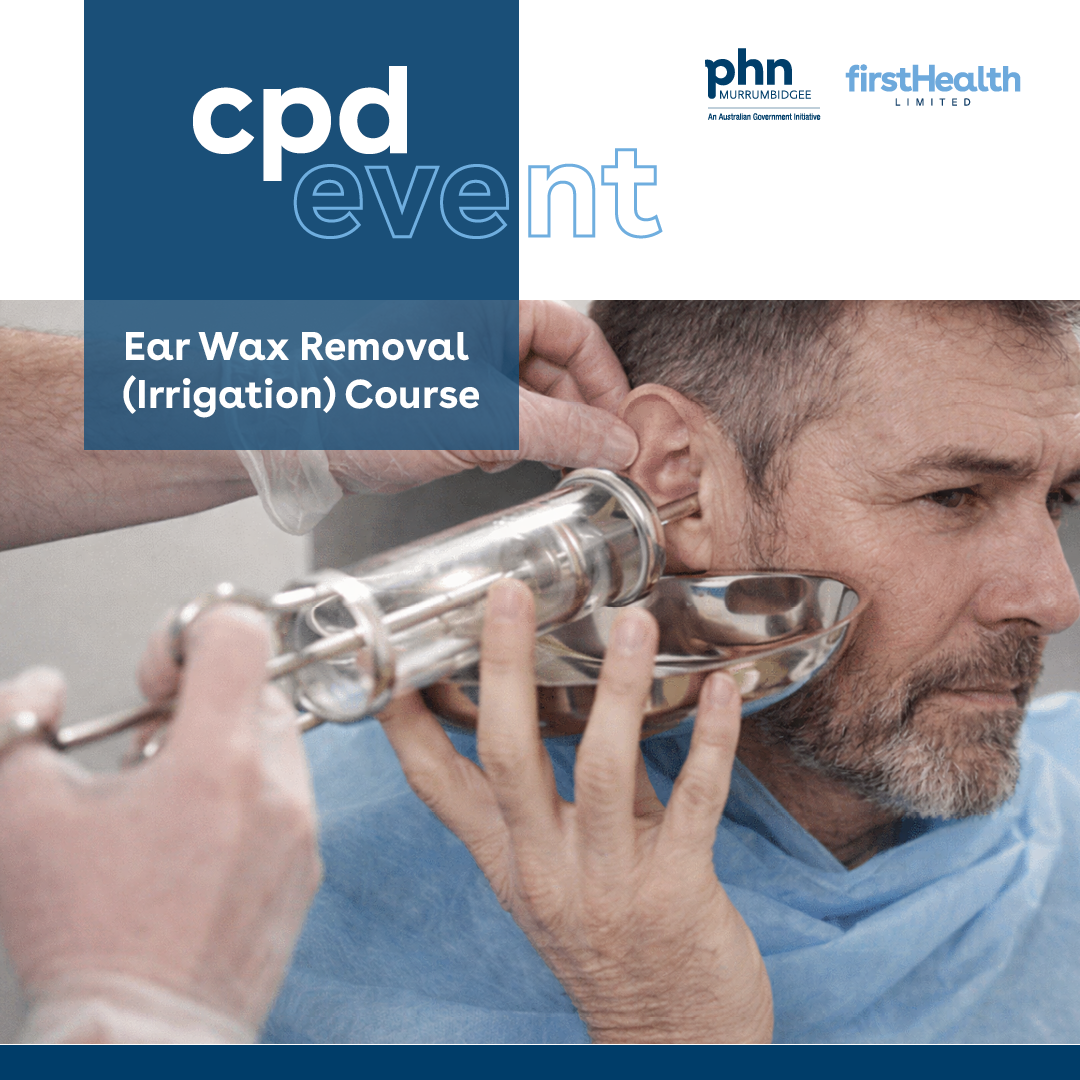
Ear Wax Removal (Irrigation) - Griffith
Working in partnership with The Benchmarque Group, MPHN is excited to be bringing the following Nationally accredited course: Ear Wax Removal (Irrigation) 11030NAT.
This course is designed to inform safe assessment and management of ear health. It will provide participants with a range of knowledge, and skills to perform ear health examinations for the purpose of wax and foreign body removal.
You will learn the skills and knowledge required to safely undertake an ear assessment and will be assessed in the classroom by a clinical trainer. On successful completion of the course, you will be accredited in ear wax removal (irrigation) and therefore workplace ready.
Details:
Arrival Tea/Coffee: 8:45am
Training start time: 9am
Concludes: 4:30pm
Ticket cost $550.00
Morning tea and light lunch will be provided
Register by: 11 September 2026
Wagga Wagga
21 September 2026
Register here: www.stickytickets.com.au/X04QGU
22 September 2026
Register here: www.stickytickets.com.au/AXLPN5
Griffith
24 September 2026
Register here: www.stickytickets.com.au/1OBI7B
What gets in the way of culturally safe and inclusive care?
Bias is a normal part of being human. Yet even with the best intentions, it can act as a barrier to culturally safe and inclusive care, particularly when it is difficult to recognise or challenging to respond to.
Join MHPN for a free, CPD-accredited webinar exploring how practitioners can better understand bias, recognise when it may be influencing care, and respond in ways that support culturally safe and inclusive care. Attendees will gain practical insights from diverse perspectives that support reflection, challenge assumptions and strengthen collaboration across disciplines, while building confidence to engage with discomfort and uncertainty as opportunities for growth and ongoing learning.
Flexible screenings at 2pm and 7pm AEST on Wednesday 23rd September 2026.
Trust In Integrated Care: Understanding Trust in Integrated Care Through the Lived Experiences of Motor Neurone Disease (Part One)
Co-delivered by IFIC Australia and IFIC Ireland.
The first in a two-part webinar series on trust in integrated care, exploring how trust is built, tested and experienced through the lived experiences of people affected by motor neurone disease.
Using motor neurone disease as the central case, this webinar will explore trust in situations where needs can change rapidly, time is precious and care must be coordinated across multiple professionals and services. Participants will examine how trust can be built quickly enough to support timely decision-making, changing needs and continued engagement with care.
Participants will explore:
what trust means within a care relationship;
what helps to build, test or erode trust in professionals and services;
how trust is experienced when needs are changing quickly;
how trust influences confidence, communication and engagement with care.
By the end of the two webinars, participants will be able to:
recognise where trust is being built or eroded across a person’s care journey;
apply practical trust-building behaviours in conversations, decisions, handovers and transitions;
strengthen continuity and coordination through trusted relationships and trust-companion roles;
develop a trust recipe that responds to the changing needs of a person, family or care situation.
Learn more and register here: https://integratedcarefoundation.org/events/trust-in-integrated-care-mnd
Rural Health Pro: Rural Allied Health Conference
Join Rural Health Pro on 23 September for its Rural Allied Health Conference – a free event for rural allied health professionals. This virtual event allows you to attend one session or immerse yourself in the full conference program.
Be inspired by thought leaders and allied health professionals who are making a difference in rural communities. Through case studies and practical presentations, you'll hear what's working and take away ideas you can use in your own practice.
Topics include:
Innovative programs and service models delivering strong outcomes in rural communities
Cultural responsiveness and cultural safety
Trauma-informed care
Wellbeing and resilience
Workforce attraction, retention and development
Business sustainability
Technology and innovation, including AI in allied health
No matter your discipline, you'll gain valuable ideas, tools and strategies to support your work.
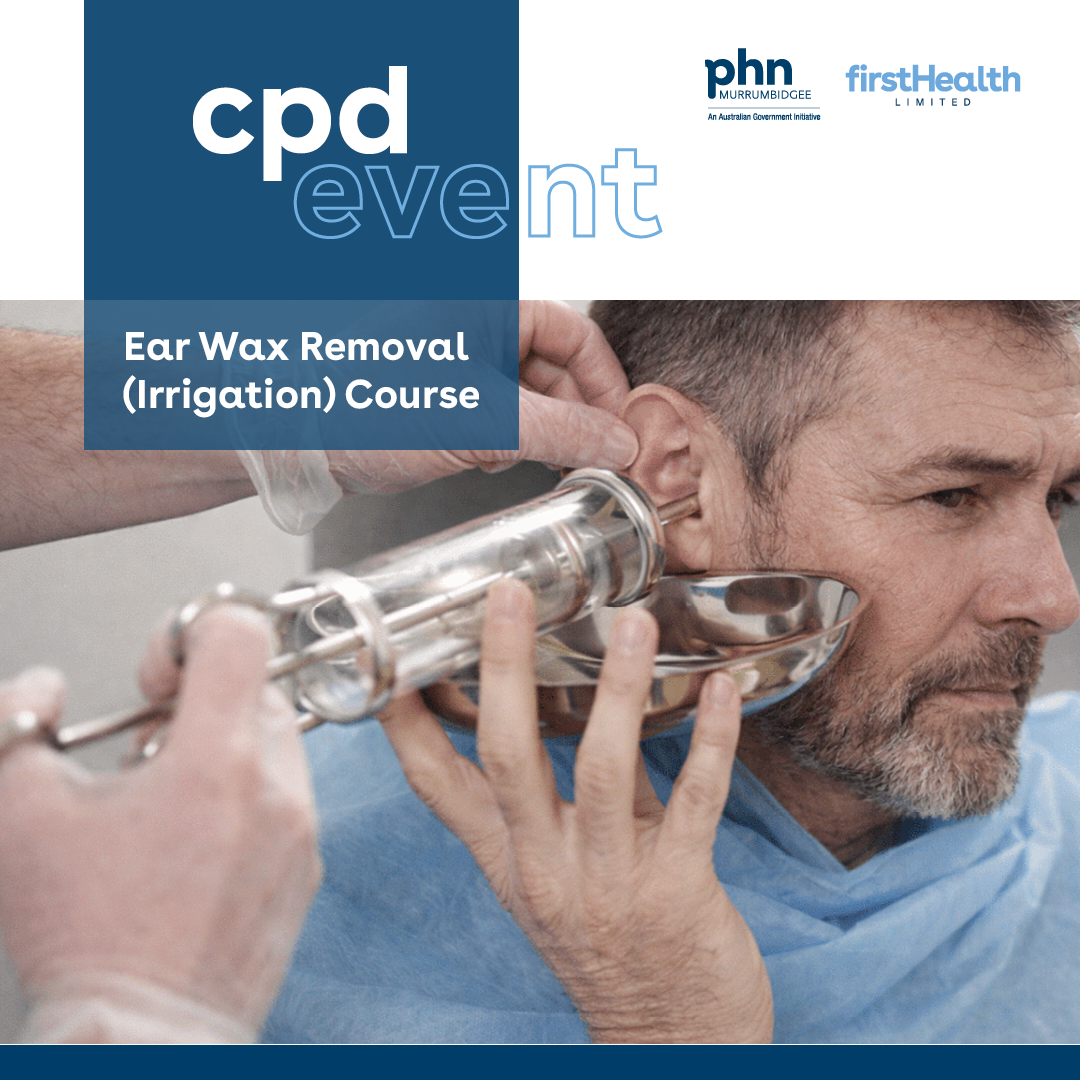
Ear Wax Removal (Irrigation) - Wagga Wagga
Working in partnership with The Benchmarque Group, MPHN is excited to be bringing the following Nationally accredited course: Ear Wax Removal (Irrigation) 11030NAT.
This course is designed to inform safe assessment and management of ear health. It will provide participants with a range of knowledge, and skills to perform ear health examinations for the purpose of wax and foreign body removal.
You will learn the skills and knowledge required to safely undertake an ear assessment and will be assessed in the classroom by a clinical trainer. On successful completion of the course, you will be accredited in ear wax removal (irrigation) and therefore workplace ready.
Details:
Arrival Tea/Coffee: 8:45am
Training start time: 9am
Concludes: 4:30pm
Ticket cost $550.00
Morning tea and light lunch will be provided
Register by: 11 September 2026
Wagga Wagga
21 September 2026
Register here: www.stickytickets.com.au/X04QGU
22 September 2026
Register here: www.stickytickets.com.au/AXLPN5
Griffith
24 September 2026
Register here: www.stickytickets.com.au/1OBI7B
Ear Wax Removal (Irrigation) - Wagga Wagga
Working in partnership with The Benchmarque Group, MPHN is excited to be bringing the following Nationally accredited course: Ear Wax Removal (Irrigation) 11030NAT.
This course is designed to inform safe assessment and management of ear health. It will provide participants with a range of knowledge, and skills to perform ear health examinations for the purpose of wax and foreign body removal.
You will learn the skills and knowledge required to safely undertake an ear assessment and will be assessed in the classroom by a clinical trainer. On successful completion of the course, you will be accredited in ear wax removal (irrigation) and therefore workplace ready.
Details:
Arrival Tea/Coffee: 8:45am
Training start time: 9am
Concludes: 4:30pm
Ticket cost $550.00
Morning tea and light lunch will be provided
Register by: 11 September 2026
Wagga Wagga
21 September 2026
Register here: www.stickytickets.com.au/X04QGU
22 September 2026
Register here: www.stickytickets.com.au/AXLPN5
Griffith
24 September 2026
Register here: www.stickytickets.com.au/1OBI7B
RACGP NACCHO National Guide Workshop (Orange)
National guide to preventive healthcare for Aboriginal and Torres Strait Islander people Fourth edition
Date: Friday 18 September 2026
Time: Registration from 8.30 am, Workshop concludes 4.00 pm
Venue: The Remington Orange, 1517 Forest Road, Orange, NSW 2800
Cost: Free of charge
RSVP: Friday 4 September 2026
Registration essential
Want to improve health outcomes and provide culturally safe healthcare for Aboriginal and Torres Strait Islander people in your community? Come along to our one-day workshop to learn about maximising the opportunity for the prevention of disease at each health service visit.
In this interactive workshop a National Guide author along with a skilled continuous quality improvement practitioner will discuss how best to utilise the fourth edition of the National Guide when providing care for Aboriginal and Torres Strait Islander people.
The workshop will be practical and highly interactive, consisting of case studies and small group learning activities.
Program
Background and purpose of the National Guide
Features of the National Guide, including:
Recommendation tables
Good practice points
Evidence base
Lifecycle wall chart
Putting the National Guide into practice
This is an approved CPD activity.
This program is a joint partnership between The Royal Australian College of General Practitioners (RACGP) and National Aboriginal Community Controlled Health Organisation (NACCHO).
This program is funded by the Australian Government Department of Health.
QPA support for Standards, 6th edition
Following the release of the RACGP Standards for general practices (6th edition), Quality Practice Accreditation (QPA) is hosting the 6th Edition Standards: Striving for Excellence webinar on 16 September, from 11am to 12pm.
During the webinar, presenter Dr Paul Mara will provide an overview of the key changes in the updated Standards and practical guidance to help practices prepare confidently for accreditation.
The webinar is open to all interested participants.
Register: 6th Edition Standards: Striving for Excellence webinar
QPA has also developed a handy one-page resource outlining the key changes and focus areas of the Standards for general practices (6th edition).
Guidelines for assessing and managing penicillin allergy in the community
As part of a new Australian campaign commencing in late October this year, patients will be encouraged to discuss their penicillin allergy with their GP. Are you ready for that conversation?
Less than 10% of people labelled "penicillin allergic" are truly allergic when tested. A confirmed penicillin allergy can follow a patient for decades, driving unnecessary use of broader-spectrum antibiotics that are often less effective, cost more and add to the growing problem of antimicrobial resistance.
New Australasian Society of Clinical Immunology and Allergy (ASCIA) guidelines, support GPs to confidently assess and manage penicillin allergy in the community, so patients can access the right antibiotic when they need it most.
Join us for a health professional webinar presented by Clinical Professor Michaela Lucas that will cover:
• Why confirming penicillin allergy matters
• How to delabel patients in general practice
• Taking an effective allergy history, identifying low-risk patients and knowing when to refer to a specialist
• Accurately documenting drug allergy information in patient health records • Having confident conversations with patients about penicillin allergy
• Where to find the ASCIA guidelines, e-training and supporting resources
Join us in making penicillin allergy assessment part of everyday care so that more patients can access the right antibiotic, and together we strengthen antimicrobial stewardship across the health system.
About the presenter:
Clinical Professor Michaela Lucas is a Clinical Immunologist/Immunopathologist at Sir Charles Gairdner Hospital, Perth Children's Hospital and PathWest Laboratory Medicine in Perth, Western Australia. She oversees paediatric and adult drug allergy services across two major hospitals and co-leads the National Allergy Council's drug allergy project, through which the penicillin allergy guidelines were developed. Michaela is also a past president of ASCIA and the current Co-Chair for the Drug Allergy Stream for the National Allergy Centre of Excellence (NACE), bringing deep clinical and leadership expertise in allergy and immunology to this session.
Managing Paediatric Fractures: what GPs need to know
Many simple fractures and soft tissue injuries in children can be safely managed through a physiotherapy-led virtual fracture clinic. GPs, GP registrars and other primary healthcare professionals are invited to this webinar that will outline best practice management of upper and lower limb paediatric fractures, including tips, tricks and unusual cases. There will also be an update on guidelines and resources available.
Presenter: Dr Lucas Annabell (Orthopaedic Surgeon)
Learn more and register here: https://murrayphn-org-au.zoom.us/webinar/register/WN_msD2YHu_QdClXhXYQSdQ4A#/registration
Online: Practice Network Meeting
MPHN’s Practice Network Meeting is a monthly, one‑hour lunchtime catch‑up — your knowledge break. Open to everyone working in general practice, these sessions welcome GPs, practice managers, nurses, administrative staff, GP registrars, and medical students.
The meetings provide a relaxed, collaborative space to share updates, learn together, and stay connected. Each session covers a mix of administrative, operational, and clinical topics, with plenty of time for discussion, questions, and sharing ideas from across the Murrumbidgee network.
It’s a great opportunity to stay up to date with primary health care news, explore current hot topics, and connect with colleagues and peers throughout the Murrumbidgee region.
OTAC: Free training course for GPs and other prescribers on opioid dependence treatments
Are you a general practitioner or other prescriber interested in learning about opioid pharmacotherapy treatments for opioid dependence?
The University of Sydney (funded by the NSW Ministry of Health) is hosting a free 1-day training course with local drug and alcohol specialists in Murrumbidgee LHD for medical and nurse practitioners to learn more about how to safely prescribe opioid pharmacotherapies (methadone and buprenorphine) for opioid dependence.
The Opioid Treatment Accreditation Course (OTAC) allows medical and nurse practitioners to learn more about this important treatment and gives the opportunity to undertake a clinical place along with being recognised as accredited prescribers of opioid pharmacotherapies for opioid dependence.
The next session will be held in Wagga Wagga (International Hotel) on 5 September 2026 facilitated by Dr Bronwyn Hudson and Dr Hester Wilson.
To register for the OTAC, visit: https://otac-sep2026.eventbrite.com.au/
For more information, contact otep.info@sydney.edu.au or call (02) 9515 6419
*Other health professionals may be interested in a range of educational activities such as the monthly clinical case webinars and additional learning activities.
Mercy Perinatal Twilight Fetal Medicine Seminar Series: Before the Bump: Optimising Health for Pregnancy @ Twilight

The countdown is on, next week we are hosting our next free Twilight Seminar!
Join us for Before the Bump: Optimising Health for Pregnancy @ Twilight - an evening focused on the importance of pre pregnancy care, as well as management of women with epilepsy and cardiac disease in pregnancy.
✨ Prof Jacqui Boyle: Preconception care: Getting Pregnancy Off to the Best Start
🌟 Prof Piero Perucca: Epilepsy in Pregnancy: Balancing Seizure Control, Medication and Fetal Risk
💫 Dr Jennifer Johns: Matters of the heart: Managing Cardiac Disease in Pregnancy
Bringing together clinicians and researchers who are world experts in their field, this Twilight seminar will pick up the contemporary priorities in pre pregnancy care, as well as advice on how to optimise pregnancy outcomes in women with epilepsy and cardiac disease.
Something for everyone here- whether you're a midwife, GP, obstetrician or physician! Twilight is free and always will be but you need to register to access our live broadcast and on-demand recordings.
Murrumbidgee GP Antenatal Shared Care Education Day Orientation & Update (Wagga)
This annual full-day workshop focused on pregnancy care, is for GPs who are interested in providing shared care in pregnancy, and GPs who want an update on first trimester care. General pactice based midwives are welcome to apply to attend.
Session 1: Morning Program, 8.30am – 1.30pm
Local GP obstetricians and midwives will present the morning session, focusing on recommended ultrasound, blood testing, risks in pregnancy, and referral for booking in.
Session 2: Afternoon Update Program, 2.00 pm – 4.30pm
The update session will feature presentations on:
What’s new: NIPT – Testing for Rhesus Neg Women
Clinical update on diabetes and thyroid conditions in pregnancy
Pregnancy priorities after bariatric surgery
RACGP/ACRRM accreditation pending.
Register at www.stickytickets.com.au/BY2F4I

Regional Rainbow Forum (Wagga)
Murrumbidgee Primary Health Network (MPHN) is excited to take part in the NSW Regional Rainbow Forum, Connection in Action, hosted by ACON. The forum brings together community leaders, health organisations, local government and lived experience voices to help strengthen conversations about inclusive, safe and responsive healthcare for LGBTQ+ people living in regional communities.
As part of the program, MPHN will deliver a presentation on the LGBTQ+ Health Needs Assessment, providing an overview of key findings and local insights to help inform more inclusive service planning and delivery across the Murrumbidgee.
MPHN will also present on the introduction and role of the MPHN Equity, Diversity and Inclusion Committee, highlighting the organisation’s commitment to creating a more inclusive workplace culture and supporting equitable health outcomes.
The forum program includes a range of speakers and sessions focused on lived experience, regional wellbeing, workplace strategies, local pride initiatives and opportunities to turn priorities into action.
MPHN is pleased to contribute to this important event and to be part of a broader regional conversation about improving the health and wellbeing of LGBTQ+ communities.
Clozapine for Pharmacists
Pharmacists across the Murrumbidgee region play a vital role in the care and monitoring of consumers prescribed clozapine. This session will explore the key benefits of clozapine, the TGA protocol requirements, management of side effects, important drug interactions and how to manage treatment interruptions.
Join Julia McKay: District Clinical Leader Mental Health Physical Healthcare and Clozapine Coordination Murrumbidgee Local Health District for this valuable education session.
This session will explore the:
Historical perspective
Indications and benefits
Clozapine governance
Commencing clozapine
Monitoring adverse effects, impact and management options
Dosing and drug interactions
Interruptions to treatment
Register here: https://bit.ly/4yiMGLq
Limited places available. Book early.
ASHM: Syphilis Update Discussion (Online)
Short-form, responsive update addressing the evolving syphilis landscape, diagnostics, and outbreak alerts.
Learning Outcomes
On completion of this course and its components, participants will be able to:
Summarise current syphilis epidemiology and outbreak trends relevant to clinical practice.
Recognise key clinical presentations of syphilis, including atypical and asymptomatic infection.
Apply current guidelines for syphilis testing, interpretation, and management.
Describe the role of partner notification and contact tracing in syphilis control.
Increase confidence in discussing and managing syphilis in routine clinical care.
Speakers
Melanie Bissessor | SH Physician | MSHC
Sheranne Dobinson | SH Nurse | MSHC
Additional speakers TBC
Suitable for: Nurses & Midwives, Doctors, Nurse Practitioners, Aboriginal and Torres Strait slander Health Workers/Practitioners Community Based Practitioners and Primary Care
Cost: Free
Learn more and register here: https://ashm.org.au/education/syphilis-update-discussion/